
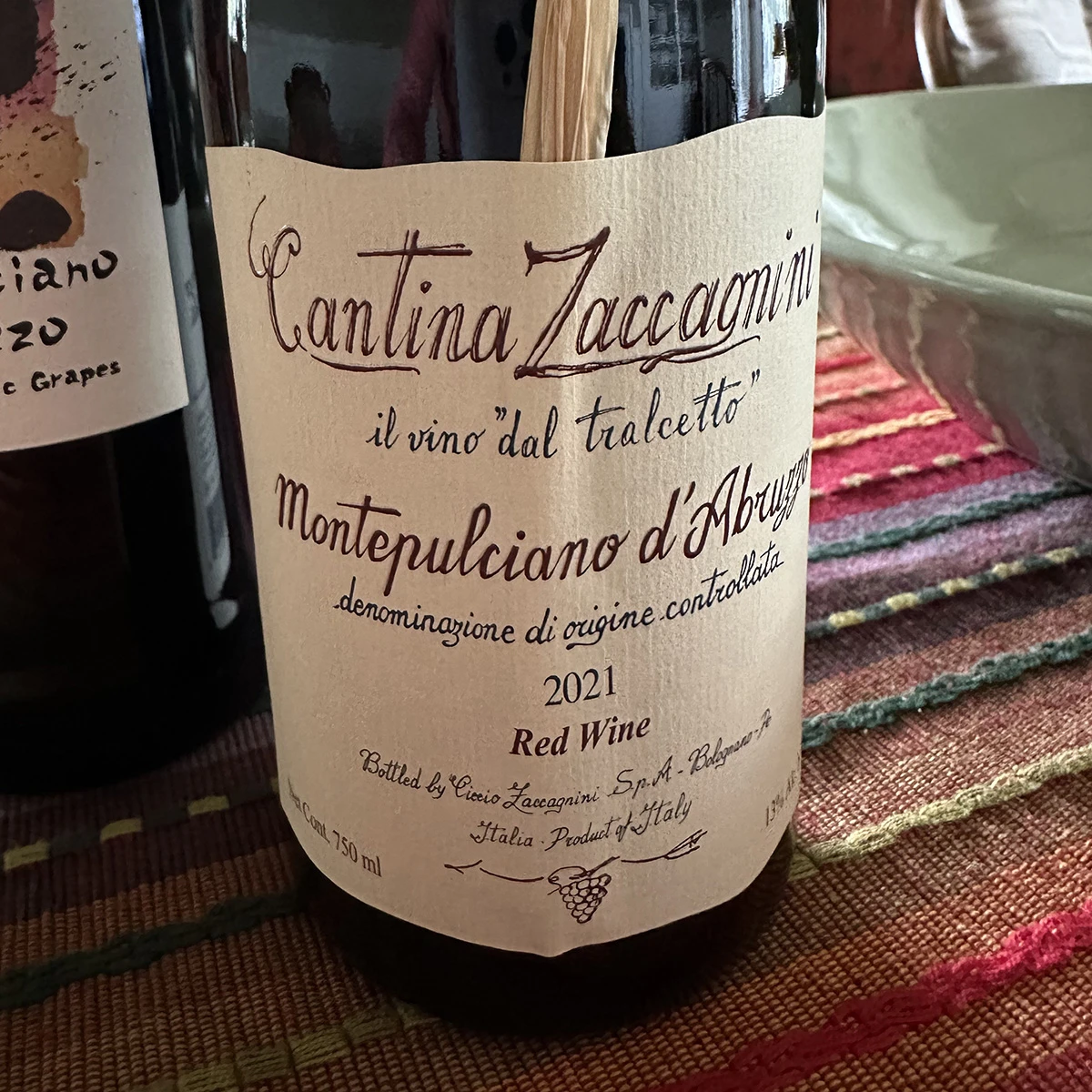

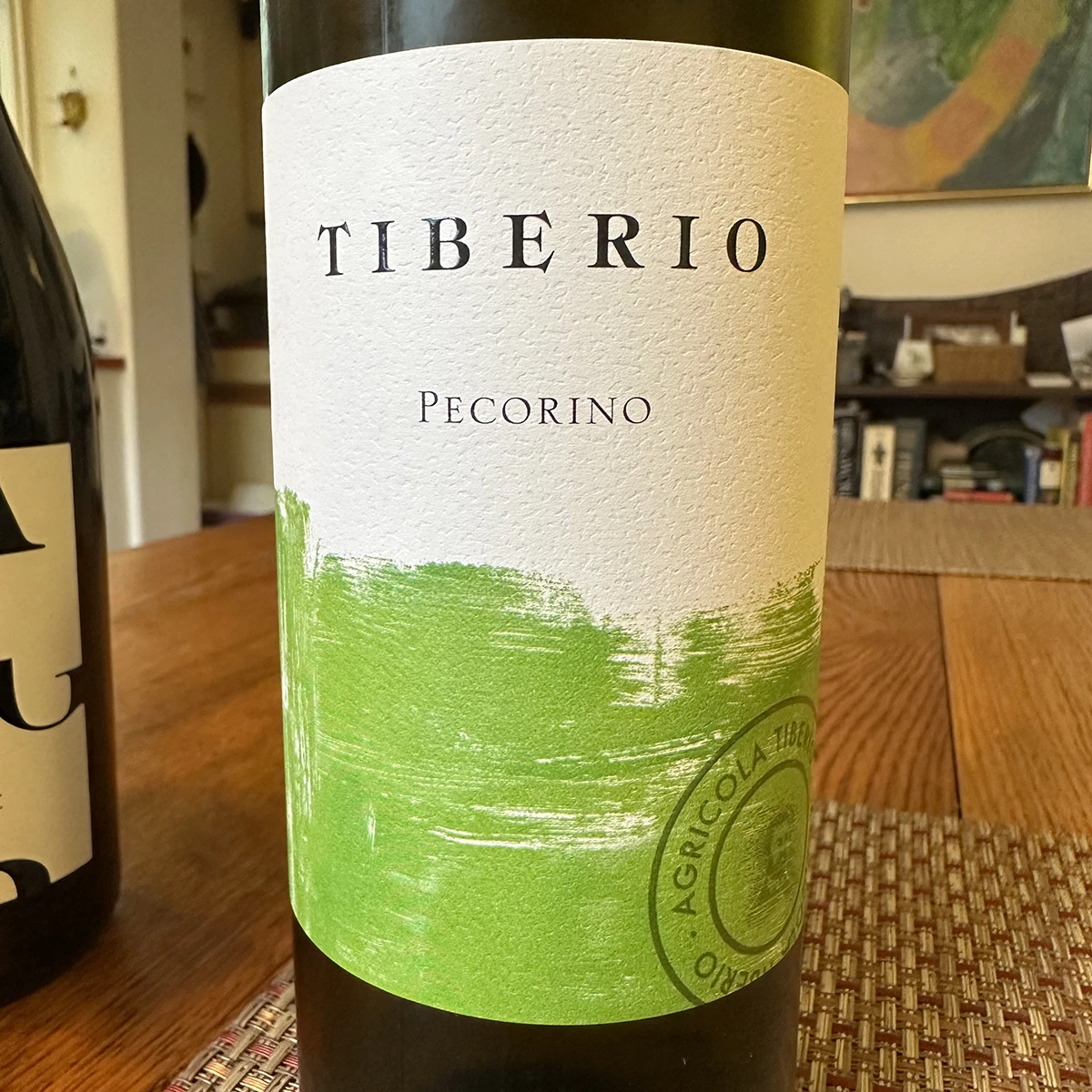
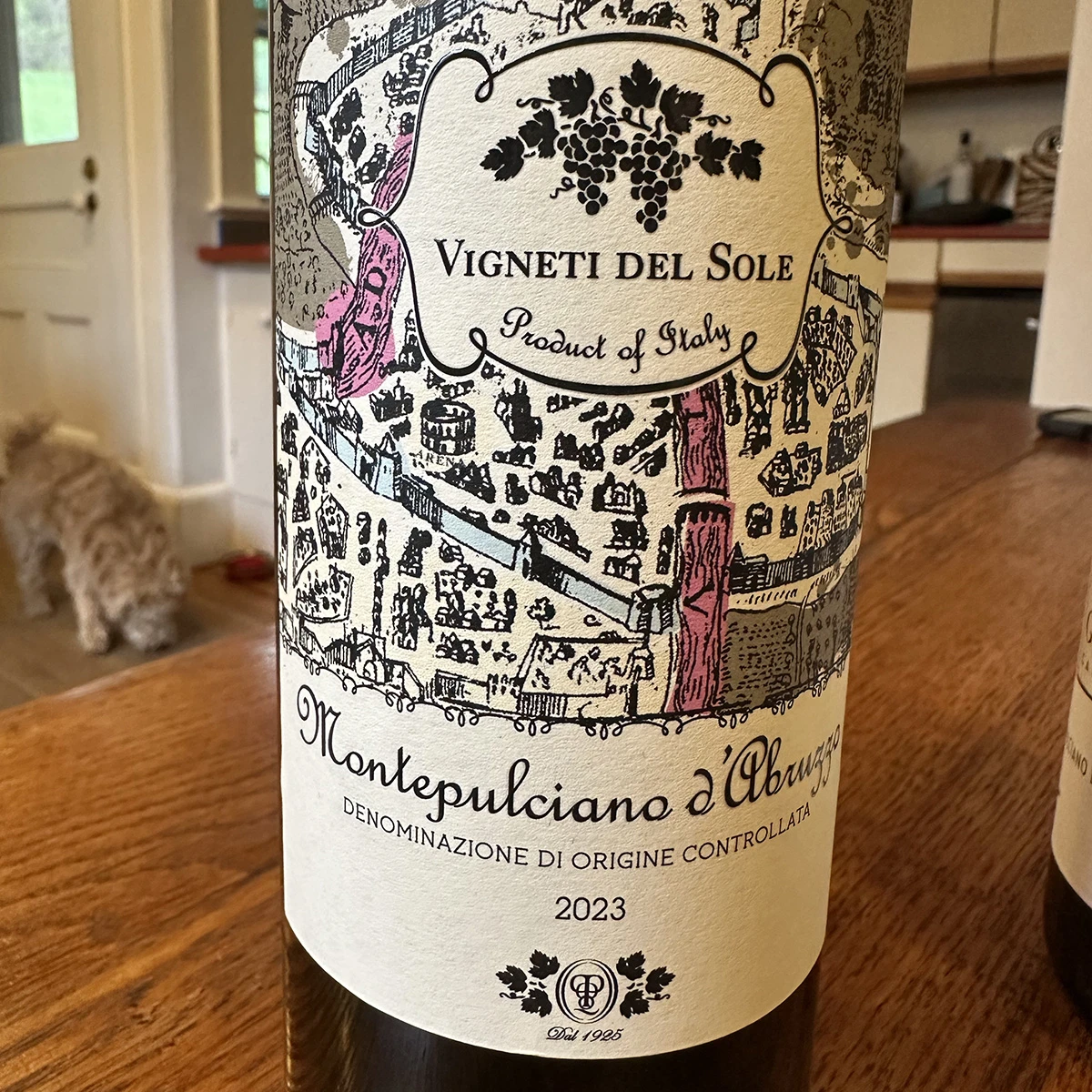
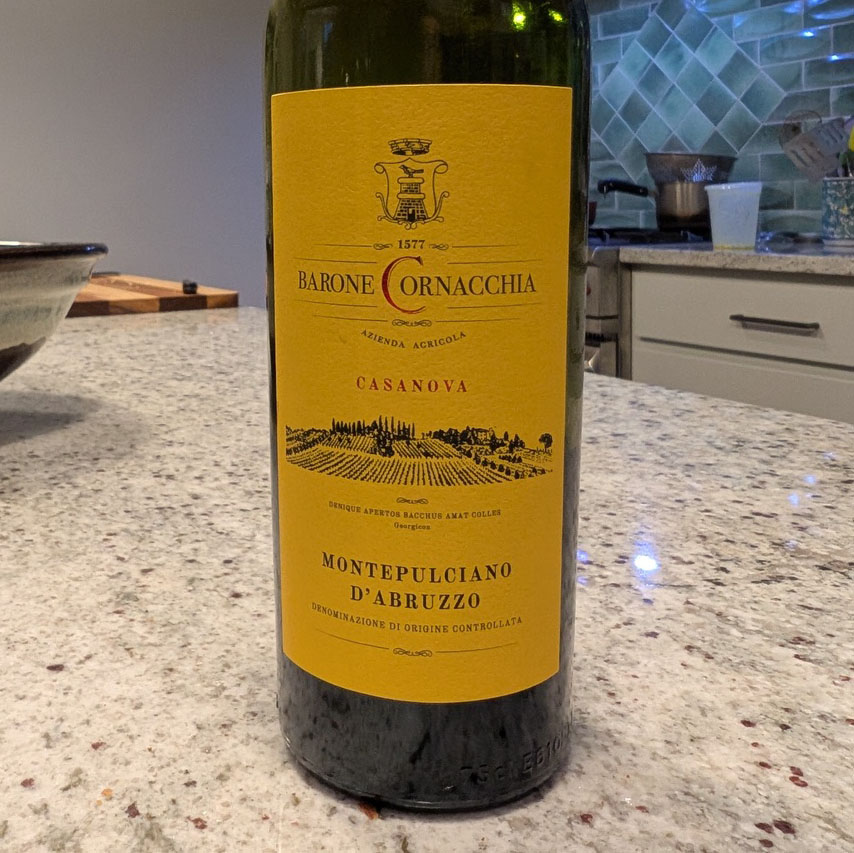
According to wine expert Oz Clarke, Montepulciano d’Abruzzo is a deeply colored wine with pepper and spice notes. It can be described as “rustic” , a quality which Clarke says becomes less pronounced when the wine is paired with food. According to Italian wine expert Joe Bastianich, Montepulciano d’Abruzzos can be highly aromatic with earthy notes and black berries, and have inky-purple color with a thick, slightly syrupy quality to the finish.
Widely grown throughout Abruzzo and central Italy (and believed by some ampelographers to be indigenous to the region), Montepulciano is the fifth most widely planted red grape variety in Italy – behind Sangiovese, Barbera, Merlot, and Negroamaro.
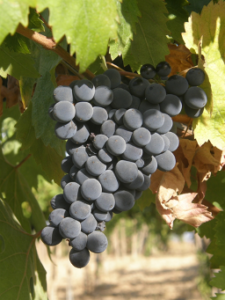 The grape is noted for producing darkly colored, tannic wines, with low acidity and some aging potential. According to wine expert Matt Kramer, well-made examples from favorable vintages can be inky-black, with “fjord-like depth of fruit” and soft, sweet tannins that are never astringent, unless the wine extracted too many tannins from prolong exposure to oak.
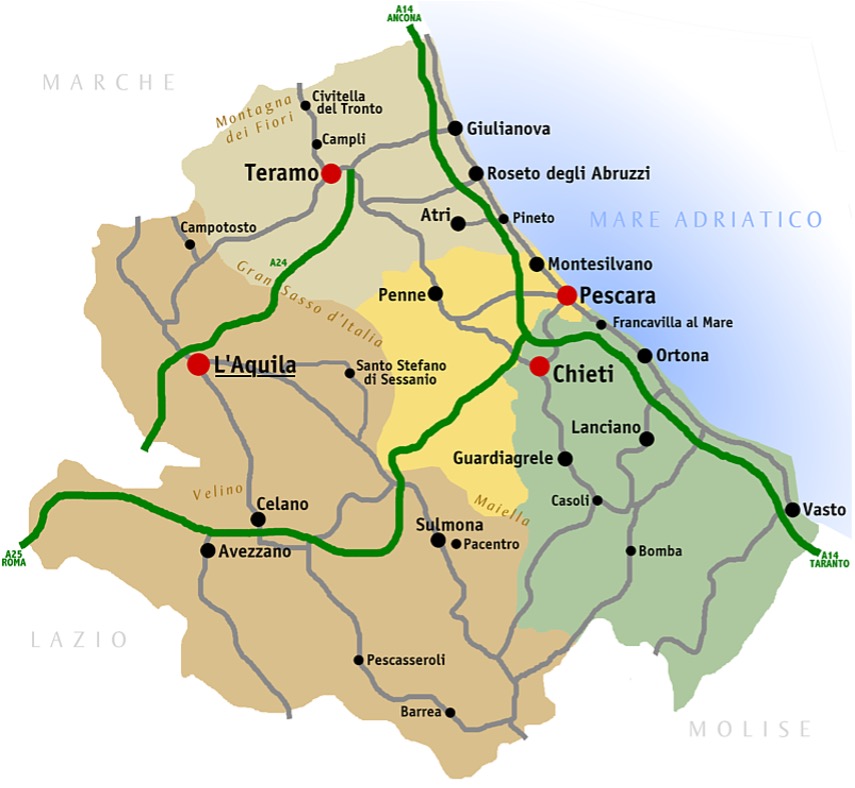
While Montepulciano d’Abruzzo is produced in all four provinces of Abruzzo, nearly two-thirds comes from the Chieti province. Many of the more critically acclaimed versions, however, come from the lower yield / less fertile ferrous clay and limestone vineyards of the northern Teramo and Pescara provinces to the north.
About Montepulciano
Montepulciano d’Abruzzo’s history begins with the Montepulciano grape, a native of the Valle Peligna region in Abruzzo. Abruzzo’s rugged terrain of the Appenine mountains spilling down toward the sea, helped to isolate the region from the winemaking influence of the ancient Romans and Etruscans in Tuscany, but the area has had a long history of wine production based on indigenous grapes. The first recorded use of the Montepulciano grape in winemaking dates back to 1793; however, historians believe that in the countryside of Atri, which produced a wine called Hadrianum under Roman influence, Montepulciano wines were bottled far earlier than the 1700s.
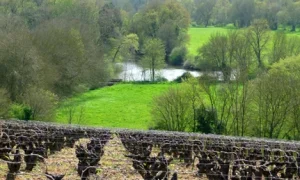
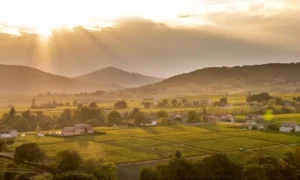
Abruzzo (historically pl.: Abruzzi), then, is an officially recognized Italian wine region, bordered by the Molise wine region to the south, Marche to the north and Lazio to the west. The DOC region for Montepulciano d’Abruzzo covers a vast expanse of land in the Abruzzo region between the Apennines foothills down to the Adriatic coast. The region is one of Italy’s most mountainous with more than 65% of all Abruzzo being considered mountainous terrain, reaching up to 2,750 meters (9,000 ft) above sea level. The hillside vineyards, particularly in the northern areas, are planted on calcareous clay and benefit from warm and significant sun exposure, ventilated by dry breezes from the Adriatic Sea.
Montepulciano d’Abruzzo gained official recognition in 1968 with its designation as a Denominazione di Origine Controllata (DOC). Later, in 2003, it was promoted to Denominazione di Origine Controllata e Garantita (DOCG), specifically for the Teramo hills. In the late 20th and early 21st century, Montepulciano d’Abruzzo earned a reputation as one of the most widely exported DOC wines in Italy.
The mountainous province of L’Aquila is noted mainly for the dry rosato wine labeled as Cerasuolo (which translates to ‘cherry red’) and which is now a separate DOC. The most favorable vineyards are planted in the northern provinces of Pescara and Teramo, the latter now a separate DOCG designation. These northern provinces benefit from having less fertile soils with more ferrous clay and limestone, and higher elevations as the Apennines draw closer to the Adriatic. This creates cooler micro-climates that tend to produce more concentrated wines.
Geology
Abruzzo’s geology, combining mountainous terrain, coastal proximity, and a variety of soil types, creates a diverse and favorable environment for winemaking, particularly for its signature Montepulciano and Trebbiano grapes. Its unique topography is characterized by being banded to the west by the Apennine Mountains, and to the east by the Adriatic Sea. This contributes to its distinct terroir and wine-growing conditions. The region features calcareous clay soils, rocky soils rich in limestone, and clay and sand, depending on the specific area. The proximity to mountains and the sea creates unique microclimates with diurnal temperature swings, fostering optimal grape ripening.
Terrior
Teramo is known for its calcareous clay soils, while areas near the Gran Sasso mountain range have rocky, limestone-rich soils. Chieti and L’Aquila benefit from altitude, with vineyards producing quality grapes.
Soil
Abruzzo exhibits a variety of soil types, including calcareous clay soils in Teramo, which provide excellent drainage. Other areas feature thin, rocky soils rich in limestone with a base of clay and sand.
Terrain
The rugged terrain, including the Gran Sasso and Majella mountains, influences microclimates and temperature variations.
Coastal Climate
The Adriatic Sea provides a source of salty air and contributes to the unique characteristics of the wines, particularly the Trebbiano and Pecorino varietals.
Altitude
Higher elevations, especially in the Chieti and L’Aquila provinces, benefit from altitude and the potential for better grape quality.
Diurnal Swings
The proximity to the mountains and sea creates significant temperature differences between day and night, which helps grapes mature and develop complex flavors.
Trebbiano
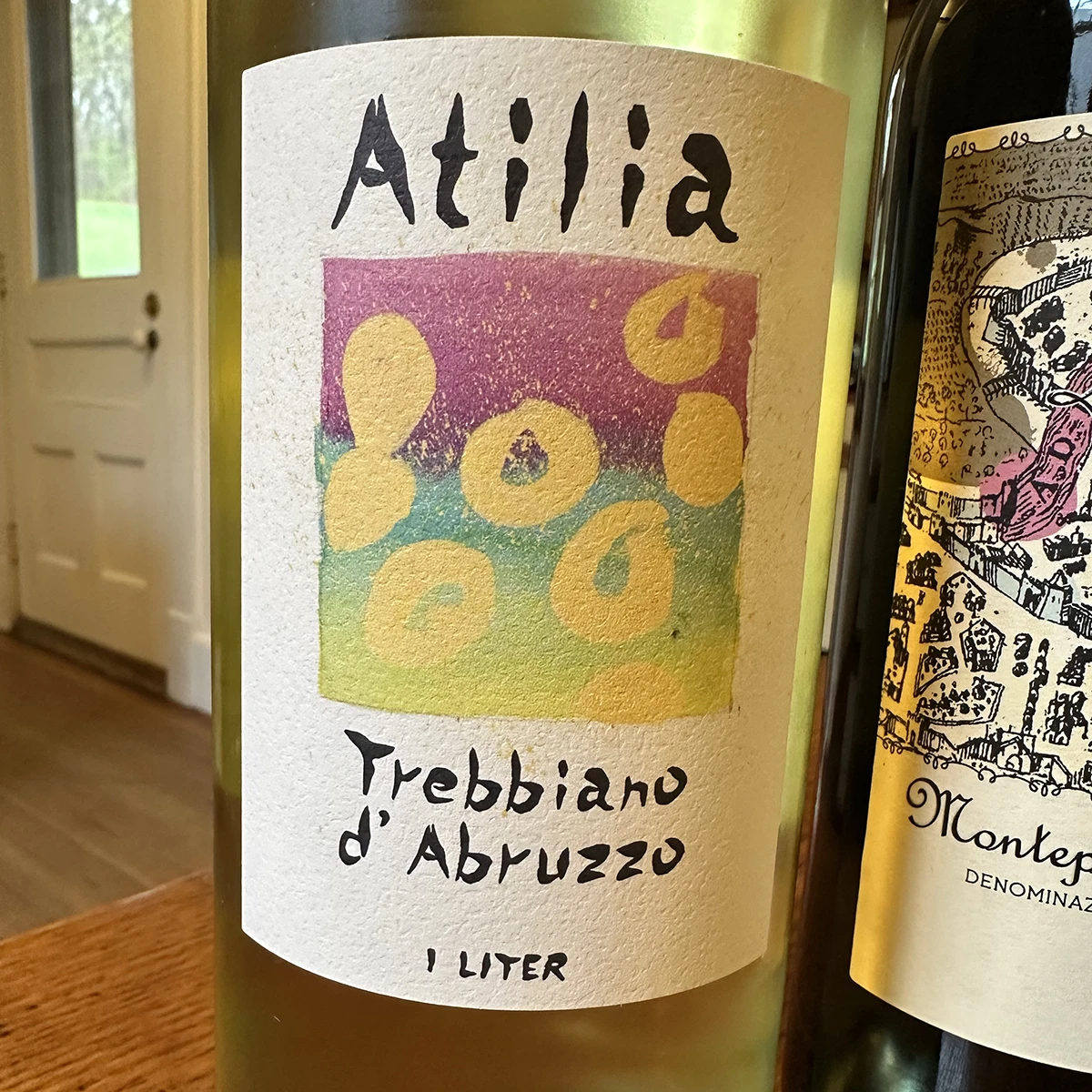
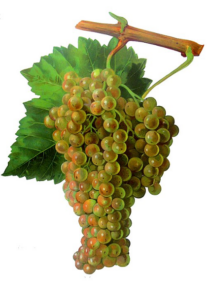 The major white wine of the region is produced by the Trebbiano d’Abruzzo, and Trebbiano Toscano grapes (the later is often labeled simply Trebbiano). The wine gained fame in the early 17th century when it was praised for its high quality by the Spanish writer Miguel de Cervantes in his work Novelas ejemplares. These wines tend to be low in acidity, with faint aromatics that can be lightly floral. However, Trebbiano d’Abruzzo tends to be much more complex when compared to Trebbiano Toscano. When produced with some oak and often blended with Chardonnay, the wines can have a creamy richness with pear and apple flavors and slight oxidized notes of caramel and nuts. The wine is typically straw colored. A favorite wine of Italy and now the United States, these are medium-body wines with some minerality and a delicate and persistent finish.
Trebbiano d’Abruzzo DOC was created in 1972 as a white wine DOC that covers virtually the entire Abruzzo region. This DOC has one of the highest permitted yields in all of Italy, at 17.5 hl/ha. The wine is made from the Trebbiano d’Abruzzo grape (a local name for Bombino bianco) and Trebbiano Toscano, which must account for at least 85% of any blended wine. The wines must be aged a minimum of 5 months prior to release and attain a minimum alcohol level of 11.5%.
Appenine Mountains
The Apennine Range is a series of mountain ranges bordered by narrow coastlands that form the physical backbone of peninsular Italy. From Cadibona Pass in the northwest, close to the Maritime Alps, they form a great arc, which extends as far as the Egadi Islands to the west of Sicily. Their total length is approximately 870 miles (1,400 kilometres), and their width ranges from 25 to 125 miles. Mount Corno, 9,554 feet (2,912 metres), is the highest point of the Apennines proper on the peninsula. The range follows a northwest–southeast orientation as far as Calabria, at the southern tip of Italy; the regional trend then changes direction, first toward the south and finally westward.
The Apennines are among the younger ranges of the Alpine system and, geologically speaking, are related to the coastal range of the Atlas Mountains of North Africa. Similarities have also been observed with the Dinaric Alps, which extend through the Balkan region, including Greece. Nearby Sardinia and Corsica, on the other hand, are dissimilar to the Apennines, their granitic rock masses being linked to outcroppings along the Spanish and French coast, from which they parted some 20 million years ago.
Check out this crazy mapping of the geologic forces that have shaped this remarkable mountain landscape over millenia:

Aged Pecorino
Parmesan
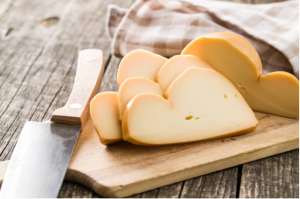
Provolone
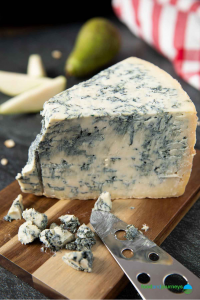
Gorgonzola
Food Pairings
The well known white wine from Abruzzo, Trebbiano d’Abruzzo, pairs well with various Italian dishes, especially those featuring seafood, light pasta, and cheeses. The wine’s crisp acidity makes it a great match for Cacio e Pepe and other creamy pasta dishes. Additionally, they can complement grilled octopus, fresh shrimp, and baked white fish.

Montepulciano d’Abruzzo, a common red wine from Abruzzo, pairs well with a variety of hearty, savory dishes. It’s particularly good with meat-based second courses, such as grilled steak, roast beef, or pork ribs, and also with pasta with tomato sauce,pizza,and high-protein dishes.
Grilled Pork Tenderloin
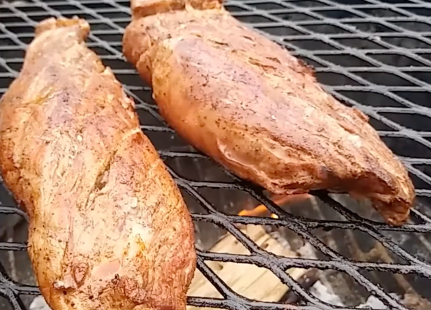
Grilled meats generally are a wonderful pairing with the full-bodied Montepulciano d’Abruzzo, and here we are highlighting the versatile pork tenderloin, adding in grilled sweet onion, eggplant, tomato, and peppers with both sweet and heat.
Prior to grilling, drizzle olive oil, salt and pepper, and any aromatics such as rosemary or fennel on the pork and vegetables. Refrigerate for a few hours to allow the flavors to meld.
On a grill over hot wood embers, cook the tenderloin and vegetables until slightly charred and cooked through – an instant read thermometer will help you find that perfect 145 internal temp of the pork. Allow it to rest prior to carving.