
Geology of Southern France / Overview
The geology of Southern France is a complex, diverse mix of Alpine mountain building, old Variscan basement, and Mediterranean limestone landscapes. Key features include the Alpine arc, the Pyrenees chain, and the karst plateaus (causses). Major structural features include the Pyrenean-Provence fold-and-thrust belt and coastal limestone areas, with significant, diverse sedimentary, metamorphic, and igneous rock formations.
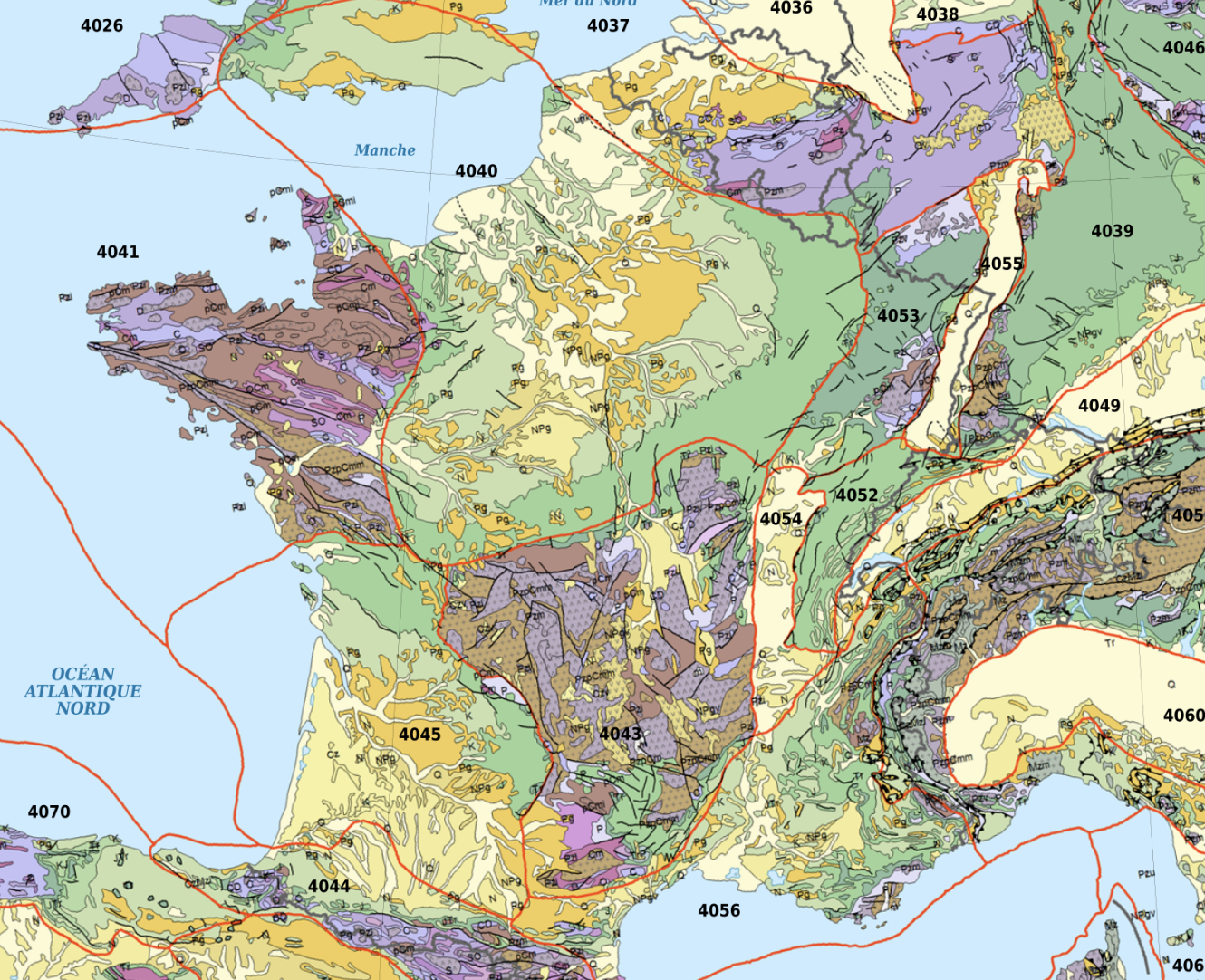
Key Geological Components
The Southern Alps (Provence-Alpes-Côte d’Azur): This region features prominent limestone cliffs in the Calanques and sedimentary structures from the Mesozoic and Tertiary periods. It includes famous geological features like the “Demoiselles Coiffées” (fairy chimneys) and petrifying springs.
The Provence Chain
A fold-and-thrust belt created by late Cretaceous to Eocene compression, which was later deformed by Oligocene-Miocene rifting. It includes features like the Nîmes Fault and the Luberon Mountains.
The Pyrenees
An east-west mountain chain formed by the collision of the Iberian and Eurasian tectonic plates. This region is characterized by steep folding and intense, long-term erosion.
The Massif Central
Although partially in central France, its southern areas are characterized by extensive volcanic history, with around 450 extinct volcanoes. The region contains granite, gneiss, and schist, alongside younger sedimentary deposits.The Coastline and Karsts: The coastline is famous for its karsts (limestone landscapes), including caves and dolostones. The area has a history of sediment transport from now-vanished landmasses, forming conglomerate rocks known as “puddingstone”
The Coastline and Karsts
The coastline is famous for its karsts (limestone landscapes), including caves and dolostones. The area has a history of sediment transport from now-vanished landmasses, forming conglomerate rocks known as “puddingstone”.
The Dentelles de Montmirail are a small chain of mountains in Provence in France, in the département of Vaucluse, located just to the south of the village of Vaison-la-Romaine. They are foothills of the highest peak in Provence, Mont Ventoux, which is situated just to the east. The dramatically jagged shape of their peaks was formed by horizontal strata of Jurassic limestone being folded and forced into a nearly upright position and subsequently eroded into sharp-edged ridges and spikes. The highest peak of the Dentelles is St-Amand, at 734 m (2,400 ft). The range, which is about 8 km wide, offers over 600 trails for walking, rock climbing, and mountain biking.[1] The foot of the Dentelles is surrounded by vineyards of the Rhône Valley. Their name dentelles, the French word for lace, refers to their shape obtained by erosion, while Montmirail is derived from the Latin mons mirabilis meaning ‘admirable mountain’.
Well Known Wine Regions of Southern France
Provence (Coastal/East)
Known as the world capital of rosé, producing over 80% pink wine, with key areas like Côtes de Provence and Bandol.
Languedoc-Roussillon (Coastal/West)
Often referred to as “the South” or Occitanie, this is France’s largest wine-producing region. It is known for its diverse terroir, producing varied red, white, and sparkling wines (e.g., in Limoux).
Southern Rhône Valley (Inland/East)
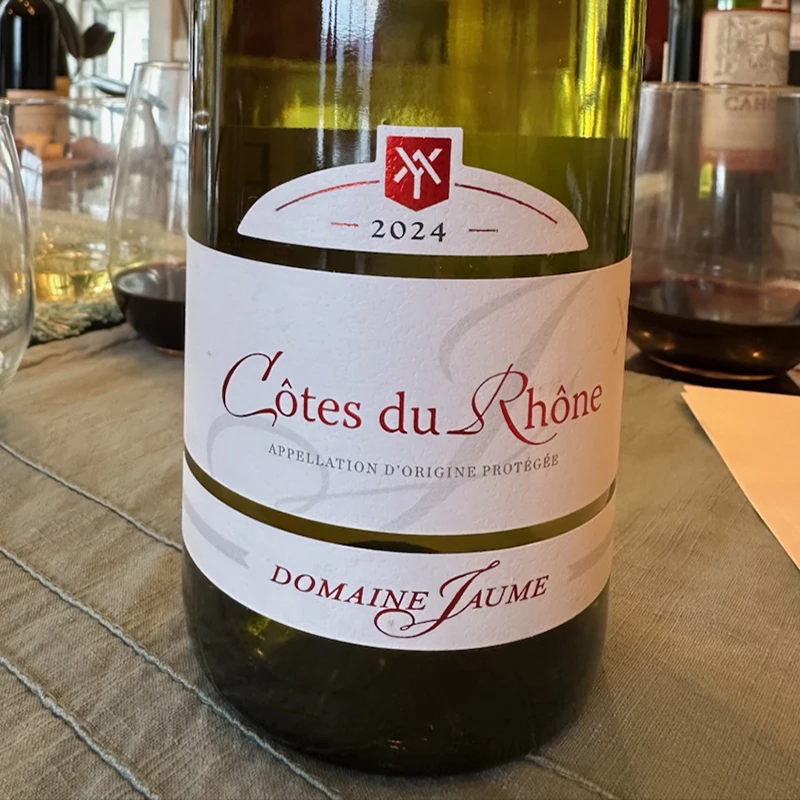
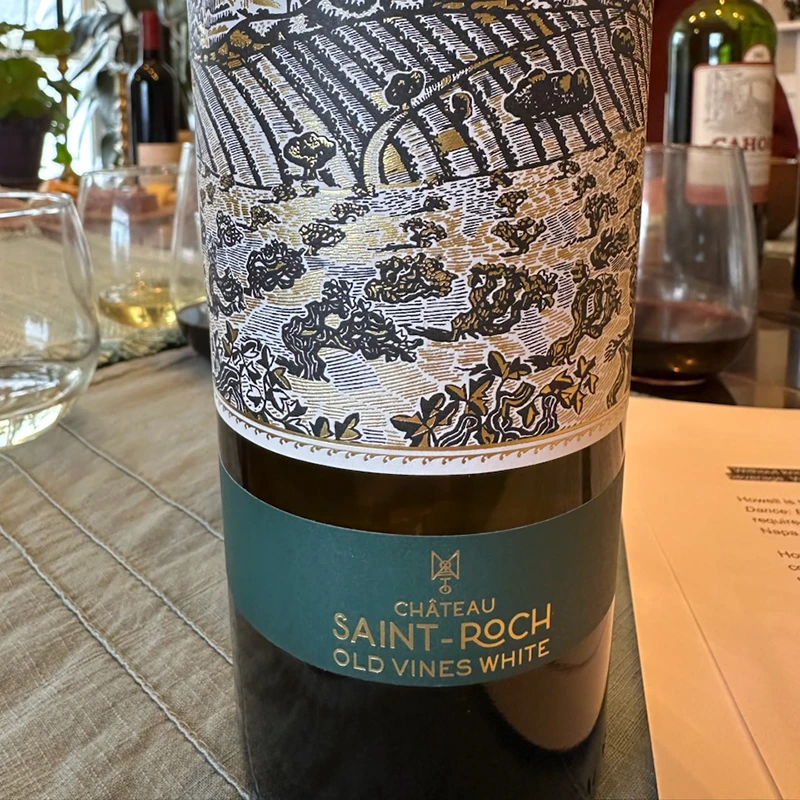
Famous for bold, blended red wines and white wines, including famous appellations like Châteauneuf-du-Pape and Gigondas.
South West France (Inland/West)
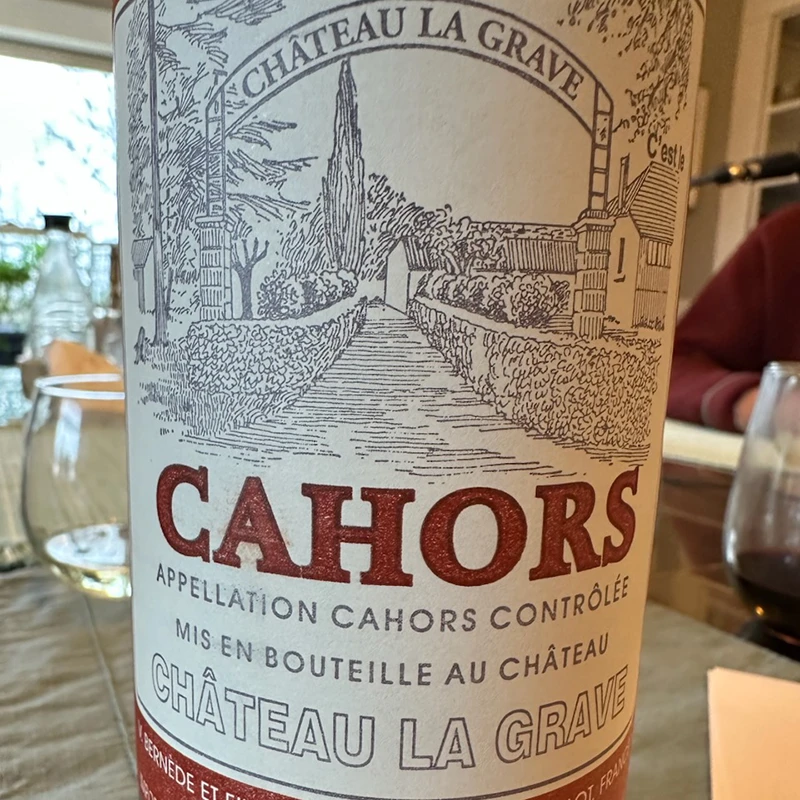
Known for distinct, unique wines such as Malbec from Cahors and structured reds.
Geology Wines
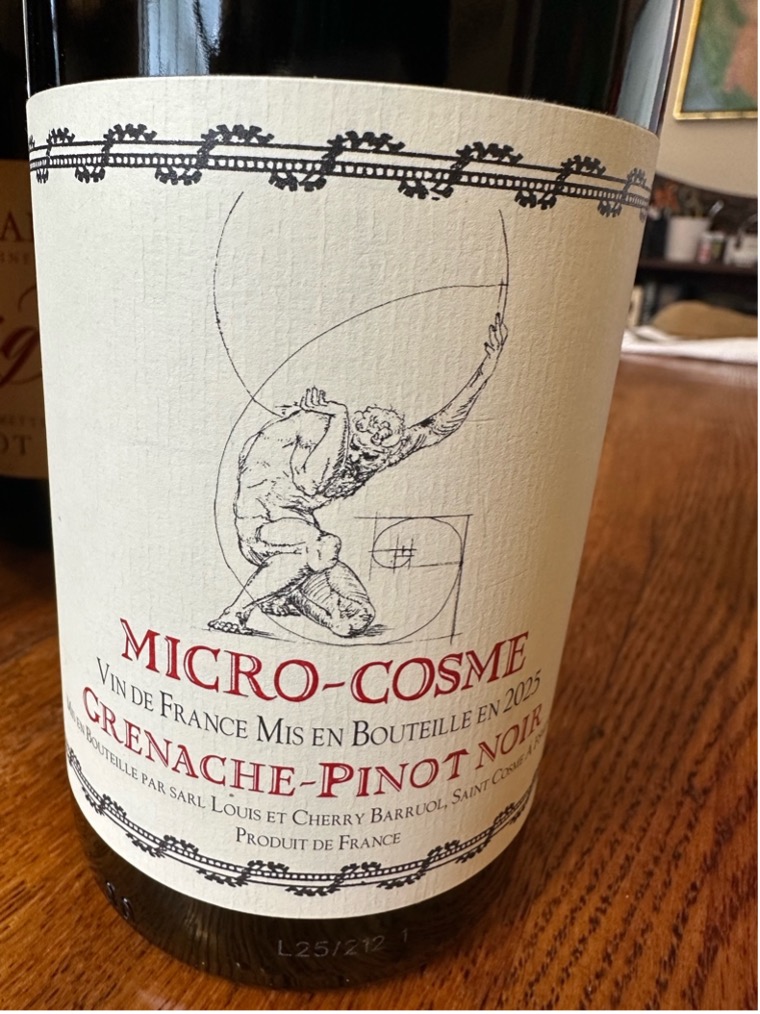
Micro Cosme Grenache-Pinot Noir
Château de Saint Cosme is the leading estate of Gigondas and produces the benchmark wines of the appellation. The property has been in the hands of the Barruol family since 1490. Louis Barruol took over from his father in 1992 making a dramatic shift to quality and converting to biodynamics in 2010.
The estate lies in the heart of Gigondas where 15 hectares of vineyard grow in the shade of the Dentelles de Montmirail mountain. In addition to the estate-grown wines labeled “Château de Saint Cosme,” Louis Barruol buys grapes from contracted growers, labeling these “négociant” wines simply as “Saint Cosme.”
Micro-Cosme Rouge carries the Vin de France designation due to its unique production method. The wine is made from blending wines from multiple vintages in concrete tanks starting with the 1999 vintage. The result is a wine that is both vibrant and complex.
This fusion of Grenache and Pinot Noir delivers aromas and flavors of strawberry, gingerbread, almond, cinnamon and heirloom rose.
Delicious with stews, grilled meats, dark fish, and tomato-based dishes such as ratatouille.
Organic, biodynamic, old vines, native yeasts.
Geology
Château de Saint Cosme is a historic wine estate located in the heart of the Gigondas appellation in the southern Rhône valley of France, just north of the village of Gigondas. The estate, owned by the Barruol family since 1490, is situated near the Dentelles de Montmirail, known for its diverse soils.
Key Details
Château de Saint Cosme is the leading estate of Gigondas and produces the appellation’s benchmark wines. Wine has been produced on the site of Saint Cosme since Roman times, evident by the ancient Gallo-Roman vats carved into the limestone below the château. The property has been in the hands of Louis Barruol’s family since 1490. Henri and Claude Barruol took over in 1957 and gradually moved Saint Cosme away from the bulk wine business. Henri was one of the first in the region to work organically beginning in the 1970s. Louis Barruol took over from his father in 1992, making a dramatic shift to quality, adding a négociant arm to the business in 1997, and converting to biodynamics in 2010.
In addition to Château de Saint Cosme, Louis Barruol is the founder and co-owner of Forge Cellars – a best-in class Finger Lakes collaboration with New York native Rick Rainey. In 2019 Louis Barruol further expanded in the Rhône Valley with the purchase of Château de Rouanne, a historic estate located in the appellation of Vinsobres.
Location of Vineyard
The estate is in the heart of Gigondas where 15 hectares of vineyard grow in the shade of the Dentelles de Montmirail. The limestone that distinguishes Gigondas from other southern Rhône appellations is visible on the jagged cliffs of the Dentelles. In addition to Gigondas and the old-vine selection Gigondas Valbelle, three single-vineyard Gigondas are produced: Hominis Fides, Le Claux, and Le Poste. Louis Barruol owns an additional 10 hectares of vineyard in Violès outside of Gigondas to produce Les Deux Albions Blanc IGP. Côtes-du-Rhône Les Deux Albions Rouge and Le Poste Côtes-du-Rhône Blanc round out the estate offerings and are labeled as “Château de Saint Cosme.” Micro-Cosme, Châteauneuf-du-Pape, and northern Rhône appellations are from contracted growers and are labeled “Saint Cosme.”
Winemaking and Viticulture Philosophy
Louis Barruol’s style combines the region’s typical ripeness with freshness, an elusive quality in the warm climate of the southern Rhône. One of the keys to freshness is the use of stems for their red wines. The stems absorb alcohol during fermentation and help retain acidity and tannin. Red wines are made by spontaneous fermentation. Louis prefers cement tanks or mostly used 228-liter Burgundian pièce for élevage with just a few traditional demi-muid for his whites. The négociant wines are transported to Gigondas in casks to avoid racking and unnecessary exposure to oxygen. Reds are bottled unfined and unfiltered. “I want to make wines which express their terroir with purity and personality. I want balanced wines with a great ability to age,” says Louis Barruol.
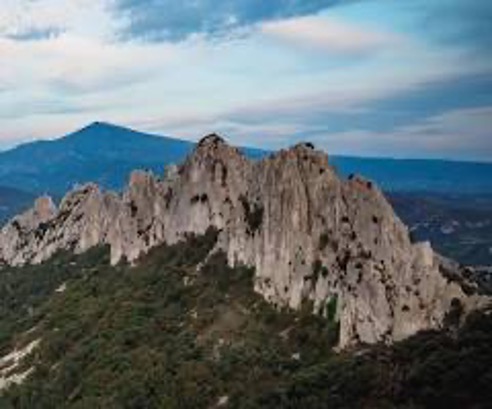
The Dentelles de Montmirail are a jagged limestone massif in Provence, France, formed by tectonic uplifting, folding, and erosion over millions of years. Stretching ~8 km, this chain consists primarily of Jurassic-period limestone (~200 million years old) tilted vertically, creating sharp, “lace-like” peaks. The area is heavily influenced by the Nîmes fault.
Geological History and Formation
Origin
The area was covered by a sea 250 million years ago, allowing for thick sediment accumulation.
Triassic & Jurassic Periods
Deposits of salt and gypsum were followed by massive limestone deposits in a tropical marine environment.
Tectonic Activity:
The range was shaped by the compressive forces of the Alpine orogeny, causing the sedimentary layers to bend, break, and rise up. The Nîmes fault, a major structural feature, played a key role in this violent geological restructuring.
Erosion
Intense erosion has sculpted the tilted layers into the dramatic, jagged ridges seen today.
Rock Composition and Landscape
Limestone Dominance
The dominant rock is hard Jurassic limestone, which forms the vertical “teeth” (dentelles) of the ridge.
Marls & Sediments
Interbedded layers of marl and soft stone are present, creating diverse, complex terroir for local vineyards.
Structure
The range consists of three parallel chains, characterized by limestone cliffs, rocky terrain, and natural cavities, offering, for example, this rock climbing opportunity.
Impact on Terroir
The geological complexity of the Dentelles, including the mixture of limestone, limestone scree, and marls, is crucial for wine production in the region, including the, for instance, Gigondas appellation.
Steininger Kampal Riesling 2022
Our winery has for generations been synonymous with the combination of tradition and modern cellar technology, but always for uncompromising quality. We have the privilege of living and working in one of the most beautiful wine-growing areas in Austria. Our beautiful hometown Langenlois and the surrounding Kamptal valley offers us the best conditions for our typical wines and sparkling wines.
“Our philosophy is to make wines that show the fruit and character of the grape. We love the style that we get from our cool climate and the soils of the Kamptal – the aromas are clear, proud and expressive. We focus on the most important varieties of the Kamptal, the Grüner Veltliner and the Riesling. These varieties are very attractive to us, as they produce very large diversitys due to the different locations, vintage conditions and vinification. They achieve top quality in every category, whether classic or reserve.”
Notes from the importer:
Weingut Steininger is located in Austria’s biggest wine growing village, Langenlois in the Kamptal region. Kamptal refers to the Kamp river which runs through the region and eventually empties into the Danube. The Kamptal area is filled with culture and tourism, which are enhanced by the numerous Heurigen, wine taverns and Vinotheques. The Steininger family estate comprises 135 acres and is owned by Karl & Brigitta Steininger. Karl inherited the farm from his parents in 1980, at this time and as young newlyweds, Brigitta and Karl decided to focus on grape growing and Karl soon found himself in oenology school. The winery was launched 1989.
Brigitta and Karl realized very quickly that they could only survive on the international market with high quality wines. “Our philosophy is to make wines, which show the fruit and the character of the grape. We love the stylistics, which we receive because of the cool climate and the terroir of the Kamptal – the flavors are clear, proud and expressive. We focus on the main varieties of Kamptal, Grüner Veltliner and Riesling. These varieties are very attractive to us because they produce very interesting wines from different vineyards and the different vintage conditions.” Karl’s chief lesson to his children is that good wine cannot be rushed. It must be given the time it needs to develop, mature and evolve. Their oldest daughter Eva and her husband Peter are the next generation of winery owners. Eva has been managing the winery since 2021 and is responsible for sales, marketing, and administration. Peter is overseeing the vineyards and cellar, hand in hand with Karl. Together with their three sons they live right at the winery.
Ried Kogelberg
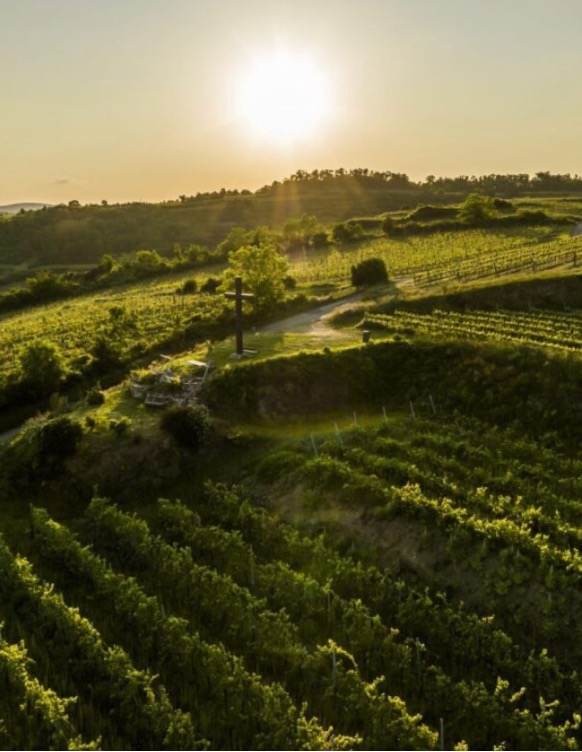
The Zöbinger Kogelberg is a foothill of the Waldviertel high plateau and one of the northernmost top locations in the Kamptal. The south-facing slope is divided into terraces and the large temperature differences between extreme sunshine during the day and the fresh Waldviertel night promote the fine fruitiness of the wine. Crystalline rocks (“primary rock”), predominantly mica schist and amphibolite, form the bedrock. A combination that gives the Rieslings grown here a fresh, northern flavor.
Dr. Fischer Hofstatter Riesling Mosel Trocken 2024
The 2024 Dr. Fischer – Hofstätter Riesling Mosel Trocken is a dry, crisp, and vibrant white wine from Germany’s Mosel/Saar region, crafted by Martin Foradori Hofstätter and Nik Weis. Known for its pale yellow color and distinct minerality, it features aromatic notes of citrus, green apple, and white flowers, typically showing 11-12% ABV and a lively, refreshing finish.
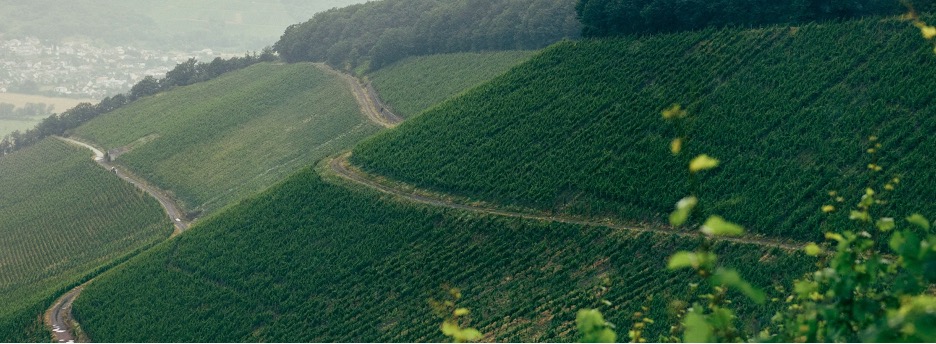
The 2024 Dr. Fischer – Hofstätter Riesling Mosel Trocken is a dry, crisp, and vibrant white wine from Germany’s Mosel/Saar region, crafted by Martin Foradori Hofstätter and Nik Weis. Known for its pale yellow color and distinct minerality, it features aromatic notes of citrus, green apple, and white flowers, typically showing 11-12% ABV and a lively, refreshing finish.
Key Details for 2024 Vintage:
Corvidae is known for producing value-focused, sustainably farmed wines in Washington, with the Ravenna Riesling being a key offering in their portfolio
This dry Riesling from the Columbia Valley in WA will impress you with its pretty orchard fruit and cleansing minerals. This is dry but of course still has that tiny kiss of warm ripe fruit that you think is sweet for a second and then the rush of cleansing mineral notes on the finish is quite dry and refreshing.
Tasting notes
Aromas of pineapple, white peach and jasmine give way to flavors of green Anjou pears, white peach, pineapple and grapefruit zest with beautiful acidity throughout the palate and finish.
Winemaker Notes
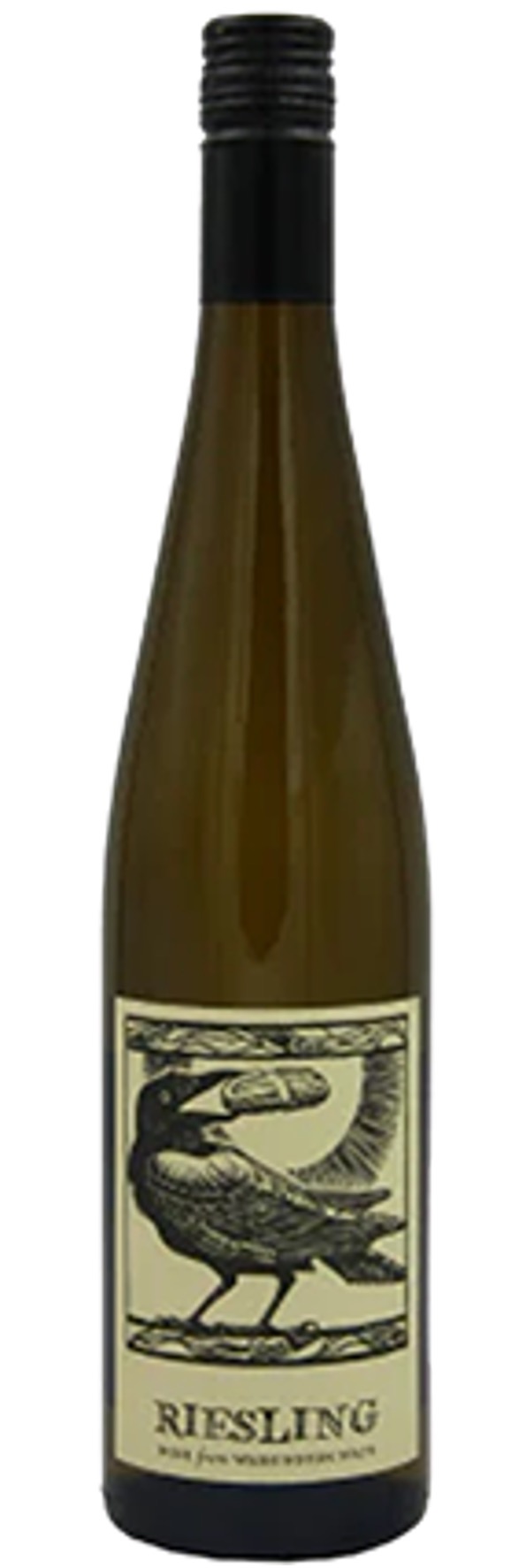 The 2024 Ravenna Riesling is a vibrant expression of Washington Riesling, balancing bright aromatics with lively acidity. Aromas of white peach, lime zest, and jasmine lead into flavors of apricot, honeydew, and crisp green apple. A touch of natural sweetness is harmonized by a zesty mineral finish, making this wine refreshing and versatile. Perfect as an aperitif, it also shines alongside spicy cuisine and fresh seafood.
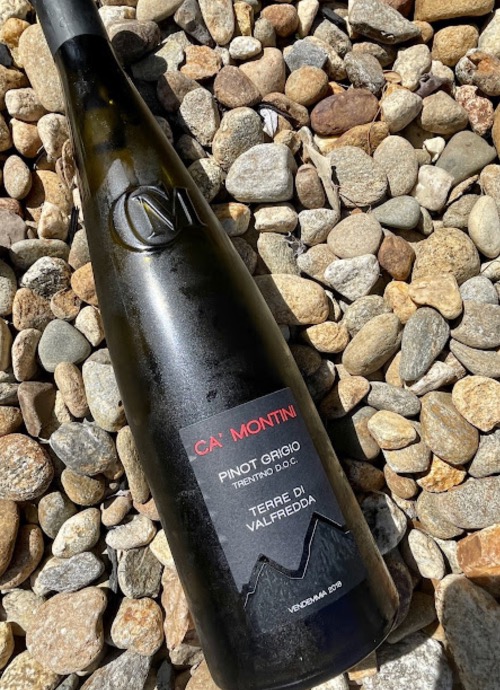
CA Montini Pinot Grigio 2023
Trentino Alto Aldige
100% Pinot grigio
12.5%
The 2023 Ca’ Montini Terre di Valfredda Pinot Grigio is a crisp, aromatic white wine from Trentino, Italy. It features, notes of white peach, green pear, and lemon with a distinct saline minerality and high acidity, reflecting its cool-climate, single-vineyard origin. It is fermented in stainless steel for a fresh, non-oaky finish.
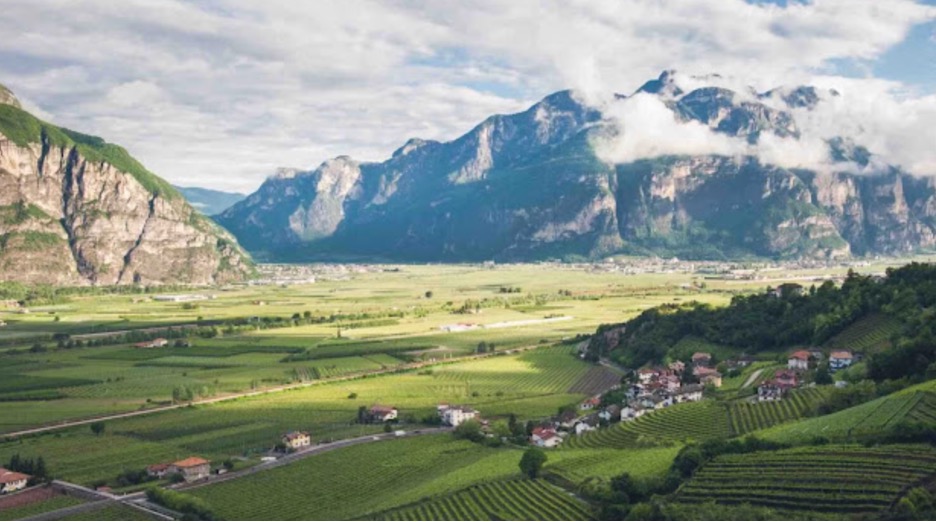
Location
Alto Adige / Trentino – Along the Adige River, which divides the valley in two and is known for being one of the longest rivers in Italy.
The Vines
These vines were planted in 1990 and occupy 74 acres of vineyards that are managed and owned by 3 local families that hand harvest the grapes.
Key Characteristics & Tasting Notes
The wine is often described as a superior, more complex alternative to, and a step up from, mass-produced, neutral Pinot Grigios
Vinification
The vinification process was developed under direct supervision of legendary winemaker Riccardo Cotarella and his technical team. Named Wine Enthusiast Winemaker of the Year and Gambero Rosso Best Italian Winemaker, Cotarella is one of Italy’s most celebrated winemakers and has been proclaimed “one of the best in Italian winemaking” by Wine Spectator and “one of the most influential wine personalities in the world” by Robert Parker.
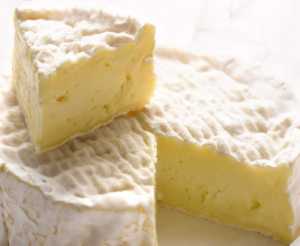
Camembert
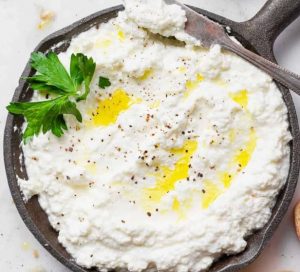
Creamy Feta with olive oil
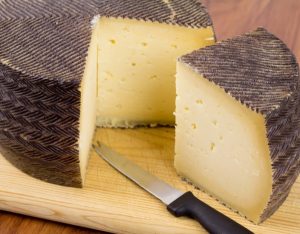
Manchego
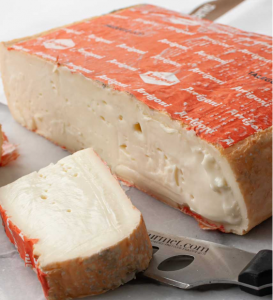
Taleggio
Food Pairings
Striped Bass with Roasted Delicata Squash
(to pair with the Owen Roe Pinot Gris)
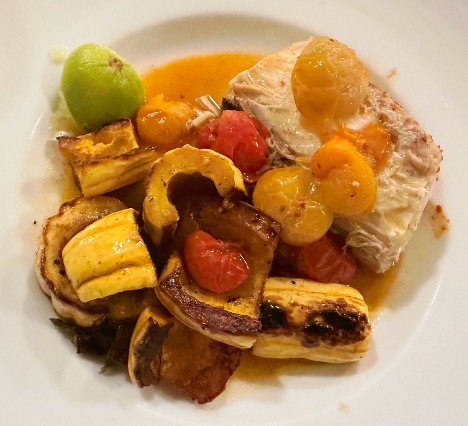
Cut and seed the delicata squash and saute in olive oil and butter until is slightly browned on one side, about 5-8 minutes over medium heat.
Line a baking sheet with aluminum foil, and spread out the squash, cherry tomatoes, onions or leeks around a large chunk of striped bass – it should be a thick piece, about one pound. Drizzle generously with olive oil, salt and pepper to taste, and any herbs you wish.
Roast in the oven at 400 degrees for about 25 minutes, until the fish separates easily.
When plating, add a squeeze of fresh lime.