
There are hundreds of white wine grape varieties in Italy. We are looking at the dry white wines from throughout Italy. Because Pino Grigio is over promoted and because the US imports gallons of lesser quality Pinot Grigios, we are focusing on other, lesser known varietals.
Soave
From the Veneto region, typically made from the Garganega grape. Throughout the Soave production zone Garganega is the principal grape variety, though Trebbiano di Soave and Chardonnay are permitted in varying percentages. While most Soave is dry, still wine, within the DOC zone a sparkling spumante style is permitted, as is the passito Recioto style, that in 1998 was granted its own DOCG designation for grapes grown in the hilly region.
Soave is a dry white Italian wine from the Veneto region, in northeast Italy, principally around the city of Verona. Within the Soave region are both a denominazione di origine controllata (DOC) zone and, since 2001, a denominazione di origine controllata e garantita (DOCG) designation known as Soave Superiore, with both zones being further sub-divided into a general and Classico designation for the wines produced in the heartland of the Soave region, around the sloping vineyards of Verona.
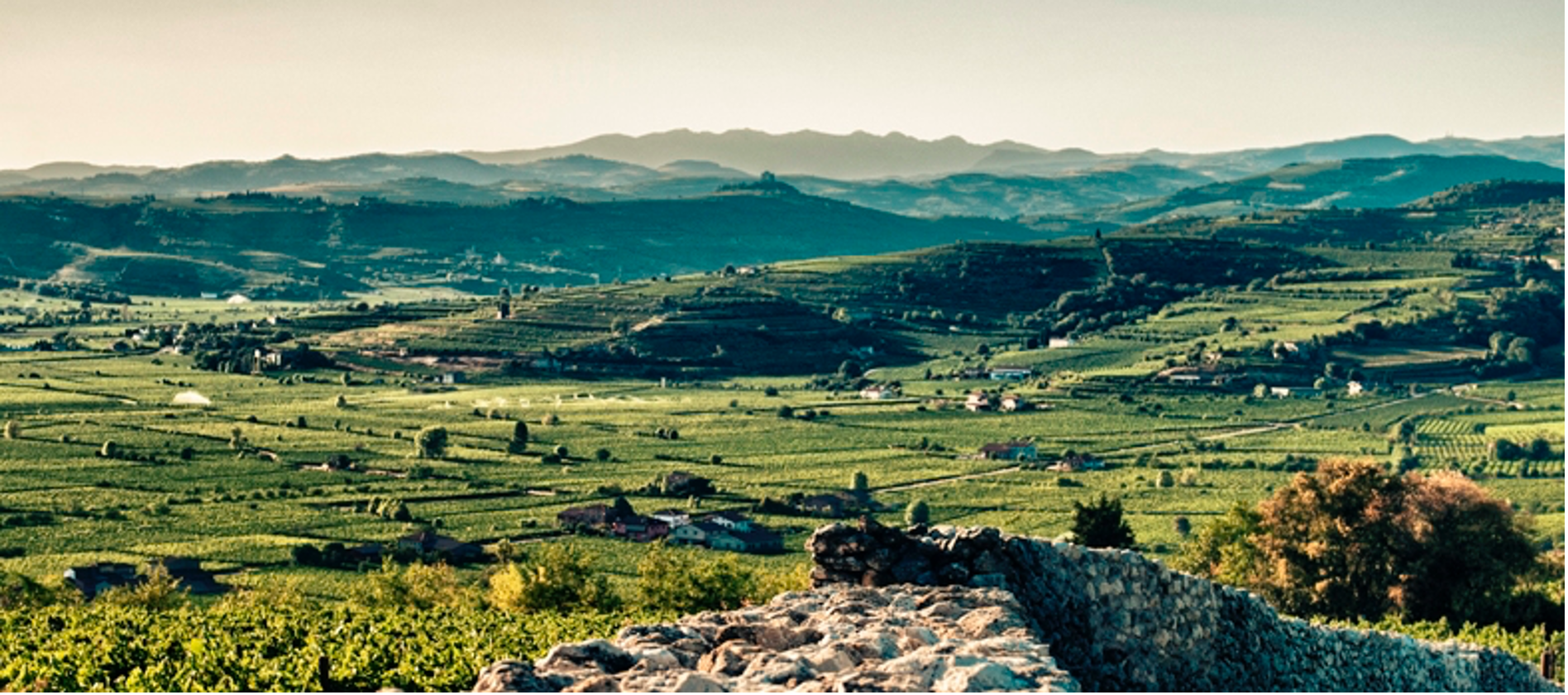
The term Classico means they are from the historic center of the Soave vineyard zone. The grapes are grown in the volcanic soils around the town of Soave. In general Classico wines will be of higher quality than those that are not from this area.
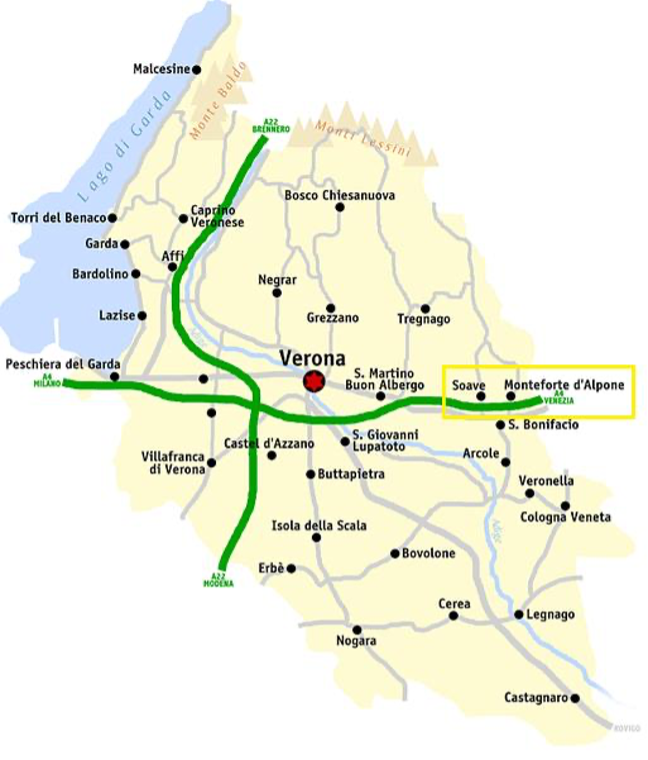
The Soave production zone is situated in the eastern part of the hills in the province of Verona (north of the Serenissima highway, between the 18th and 25th kilometres of the Verona-Venezia road). The zone includes part or all of the lands belonging to the municipalities of Soave, Monteforte d’Alpone, Lavagno, Mezzane, Caldiero, Colognola, Illasi, Cazzano, Roncà, Montecchia and San Giovanni Ilarione.
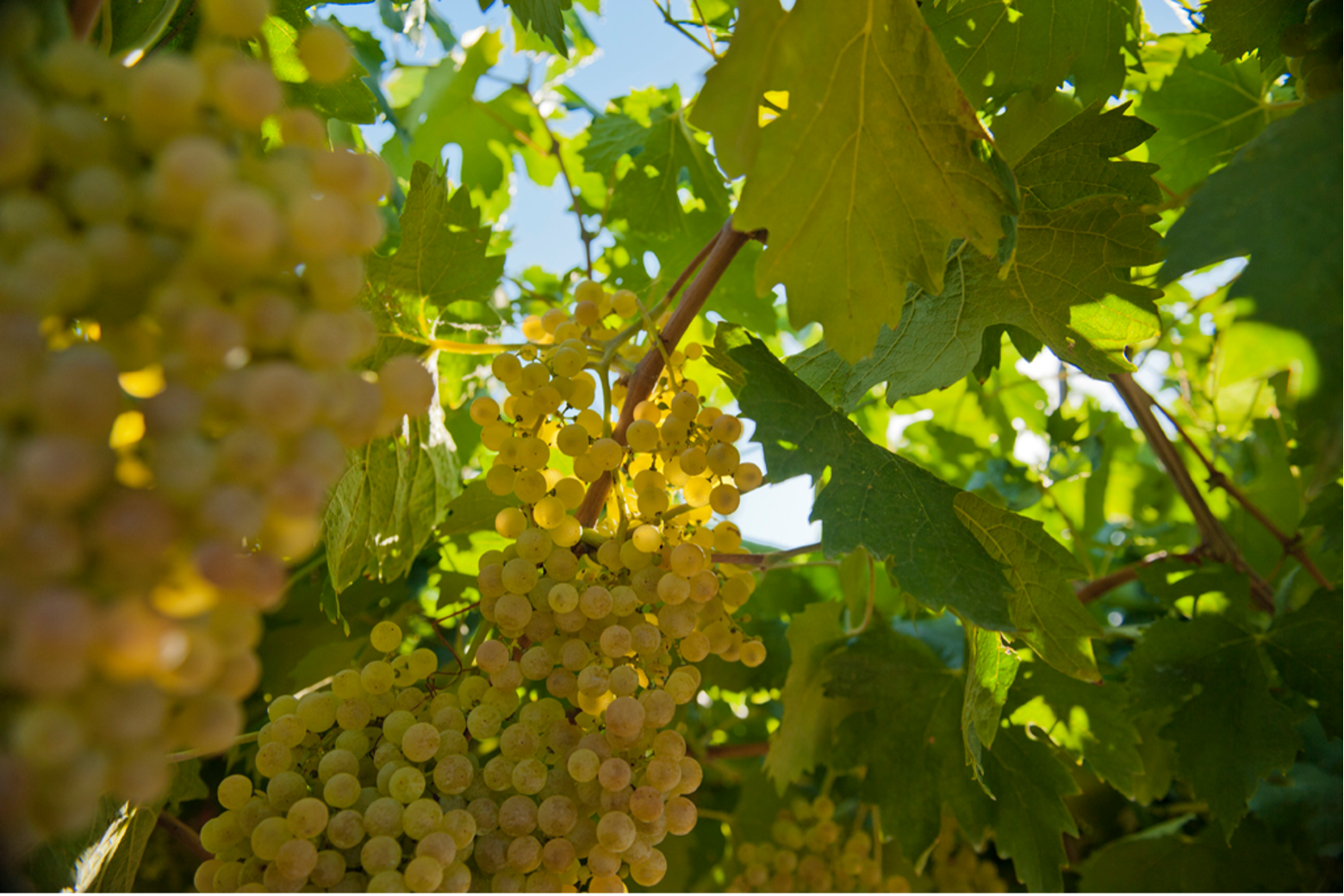
The climate of the Soave region is influenced by the mists that flow from the Po Valley in the autumn and can bring the viticultural hazards of mold and other grape diseases. The Garganega grape, that is the primary component of Soave, is a late-ripening variety with a thick skin that can withstand the mist better than some of the thinner skin varieties like Trebbiano toscano.
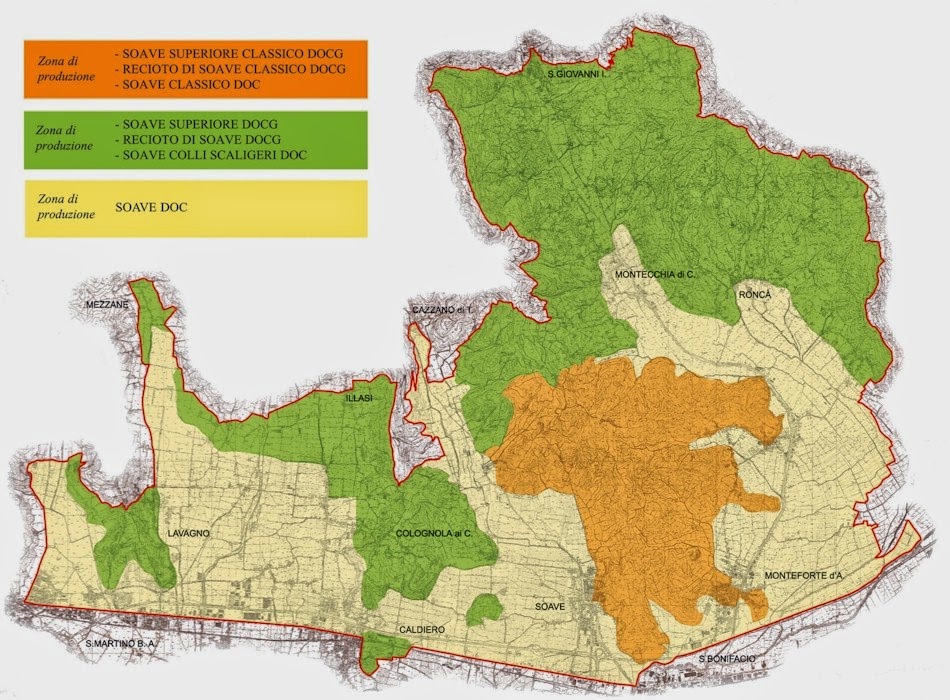
 The classico zone was first delineated by Veneto authorities in 1927 and originally encompassed 2,720 acres (1,100 ha) of hillside vineyards within the Soave zone.[5] Today, the use of the specification “Classico” with the designation “Soave” is reserved for the product made from grapes harvested from the hillside vineyards around the municipalities of Soave and Monteforte d’Alpone, in the original and oldest classic “zone” of Verona.
The vineyard soils of this region are considerably less fertile than the alluvial soils in the plains. In the western part of the classico zone, near the commune of Soave, the soils contain a high percentage of limestone which retains the warmth of the afternoon sun and helps produce fuller, more fruit-forward wines. In the eastern vineyards, near Monteforte d’Alpone, the soils are made of decomposed volcanic rock that tends to produce what wine expert Jancis Robinson calls “steelier” wines.
Gavi
 While the Piedmont region in northeastern Italy tends to get the most attention for its fantastic red wines, it also produces gorgeous white wines. One of these is Gavi wine, which was one of the first Italian white wines to gain an international reputation. It’s more formally known as Cortese di Gavi, because it is made exclusively from the Cortese grape. Gavi is the region, which is in the Province of Alessandria. Gavi wines are crisp, refreshing, and so bone dry that they’ll leave your mouth tingling.
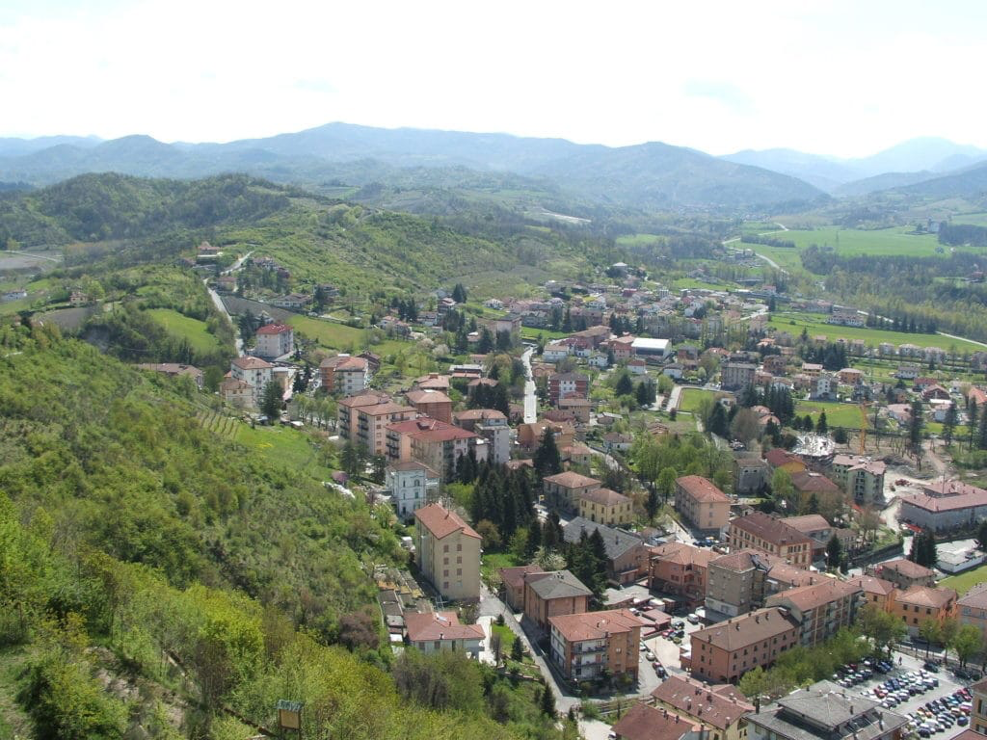
The Cortese grape has been part of Italian viticulture for centuries and is considered one of the finest white wine grapes from Piedmont. Documentation from local vineyards shows evidence of its plantings dating back to 1659. Its current mode of production dates back to 1876 and reflects its terroir wonderfully. The grape has thin skins and naturally high acidity, which is nicely balanced by the warm, sunny climate where they’re grown. The wines are nutty, floral, and often have flavors of lemony citrus, green apples, honeydew, and straw. Some also finish with a hint of almond.
These wines have had DOC status since 1974 and DOCG since 1998. The label “Gavi di Gavi” means the wine comes from the township of Gavi, which is central to the production area. Overall, the DOCG has a stricter production zone, including neighboring towns of Bosio, Capriata d’Orba, Carrosio, Francavilla Bisio, Gavi, Novi Ligure, Parodi Ligure, Pasturana, San Cristoforo, Serravalle Scrivia, and Tassarolo.
Verdicchio
One of Italy’s top white grape varieties, Verdicchio is the white wine star of central Italy. A well-regarded variety, with notable examples like Verdicchio di Matelica and Castelli di Jesi Verdicchio, this grape variety is high acid and medium bodied. 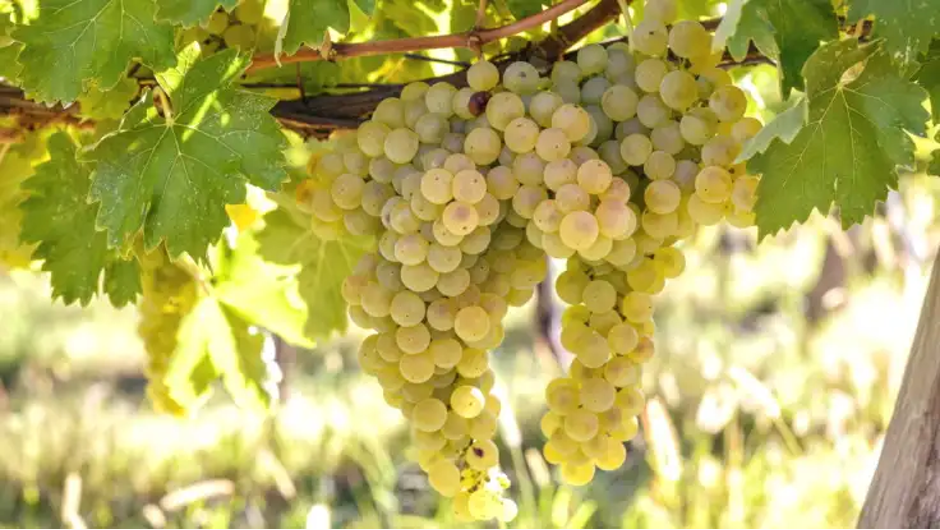
Verdicchio is a white wine grape variety that has been cultivated for hundreds of years in the Marche region of central Italy on the Central Eastern coast. It is a versatile variety, used both for light, easy-drinking table wines, and for more complex, age worthy examples. It is commonly lauded by critics as being one of Italy’s best white wine grape varieties, and is found in vineyards across the country.
The use of Verdicchio has been documented in the Marche since the 14th Century, but there is suggestion that the variety could have originated in Veneto, where it is known as Trebbiano di Soave.
Historians believe that Venetians migrated to the Marche area after the plague, bringing animals and plants, and it is thought that Verdicchio was among these. The variety adapted well to Marche’s terroir and, nowadays, Verdicchio’s spiritual home is in the hills along the Adriatic coast.
High acidity is one of Verdicchio’s most useful viticultural characteristics. As well as making fresh, well-structured still wines with citrus flavors like lemon and grapefruit, Verdicchio is often used as the base for sparkling wines. The binding characteristic across these styles is the telltale almond flavor, which can be accompanied by bitter notes when young or a rich, sweet, suggestion of marzipan and honey as the wine ages.
Verdicchio is especially known for its outstanding aging potential; most examples drink beautifully from seven to ten years of age, while for the finest versions from the best vintages (such as 1999, 2010, 2019 and 2021) from the top producers, it’s not uncommon to enjoy a 25-year-old example. Does Garofoli think the wines from Jesi age longer than that of Matelica? “It’s difficult to say, as it depends how you work the wine. It’s most common to find Jesi with more beautifully aged wines instead of Matelica, but you can find interesting examples of beautiful, aged Verdicchio in both denominations.”
There are two principal Verdicchio wines; Verdicchio dei Castelli di Jesi and Verdicchio di Matelica. The former is named for the castles of Jesi, a town in eastern Marche, not far from the Adriatic Sea, while the latter is produced in an inland zone farther west and south of Jesi. While both wines display lovely aromas of melon, pear, citrus and white flowers, and have very good, sometimes lively acidity, there are differences between these two wine types.
Arneis
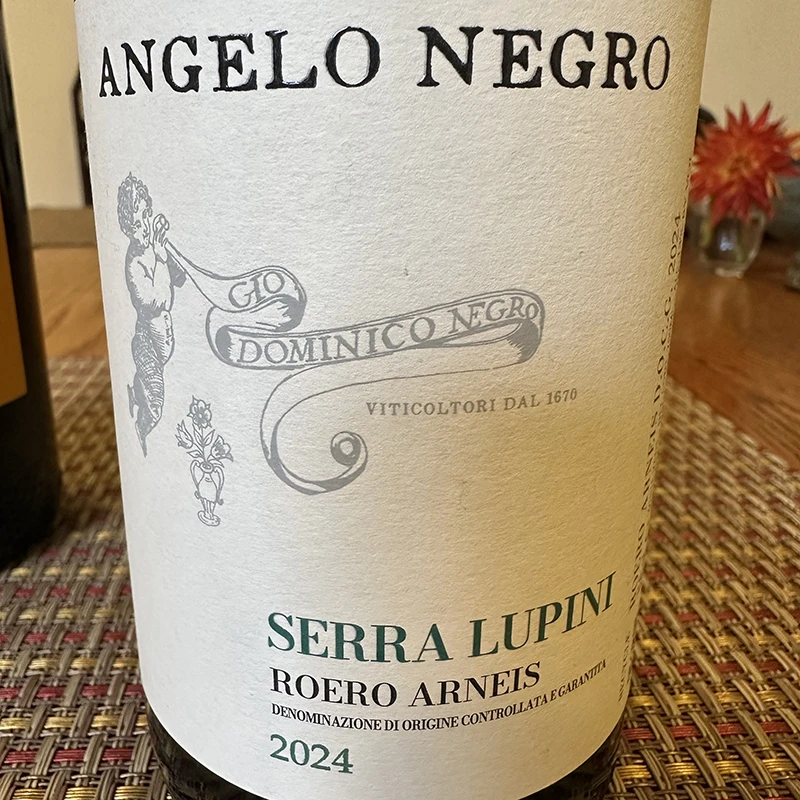
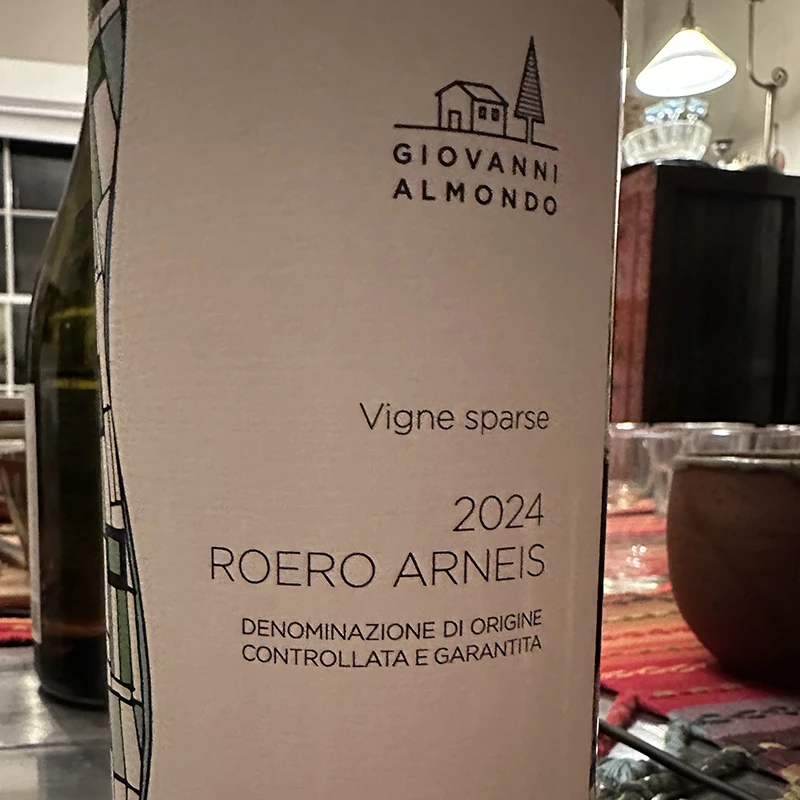
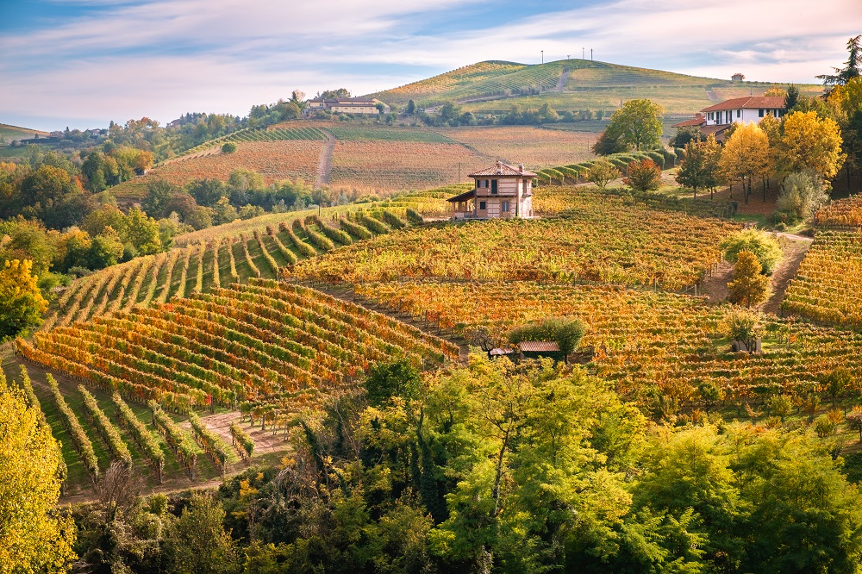
Grown in Piedmont, examples of this wine can be found in Langhe and Roero. Once nicknamed “White Barolo”, it is the comeback kid of Piemonte. It was on the verge of extinction in the 1970s, but thanks to a handful of dedicated wineries, it has made an impressive recovery.
It is a white Italian wine grape variety originating from Piedmont, Italy and is most commonly found in the hills of the Roero, northwest of Alba, where it is part of the white Denominazione di Origine Controllata e Garantita (DOCG) wines of Roero. It can also be used to produce DOC wines in Langhe.
Arneis means “worthless thing”, in Piemontese because it is regarded as a somewhat difficult variety to grow. It is a crisp and floral varietal, and has been grown for centuries in the region. The white wines made from the Arneis grape tend to be dry and full bodied with notes of pears and apricots.
Wine historians disagree on how long Arneis has been growing in the Piedmont region and under what name. A potential root of the name Arneis in the Piemontese dialect, renesi, makes an appearance in the description of several different grape varieties in the 15th century. Some historians believe that Arneis may be the Ranaysii grape that was documented in 1432 growing in the province of Turin around the village of Chieri. Around Canale in the province of Cuneo a Reneysium grape was documented in 1478. The first usage of the name Arneis appears in Italian ampelographer Count Giuseppe di Rovasenda’s 1877 text where the grape was described as already being well established in Piedmont.
Aromas
- Fruity: Green apple, pear, peach, and citrus like lemon, lime, and orange peel.
- Floral: Honeysuckle, acacia, chamomile, and jasmine.
- Nutty: Almond and hazelnut.
Palate
- Flavors: Often dominated by pear, stone fruit, and hints of almond or hazelnut.
- Body: Typically medium-bodied, offering a nice balance of crispness and richness.
- Acidity: High and refreshing, creating a vibrant and lively profile.
- Finish: Clean and sometimes with a slightly salty or mineral note.
Arneis is a fresh, crisp, and elegant white wine with a layered complexity. It’s often described as having a delicate but well-structured character
Vermentino
Vermentino is one of Italy’s great grape varieties. It is the perfect white wine to sip on a beach, have as an aperitivo or pair with wonderful seafood. To me it spells summer, sailing and relaxation. Vermentino can be found in a number of regions in Italy including all over Liguria.
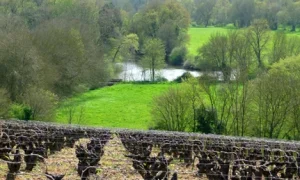
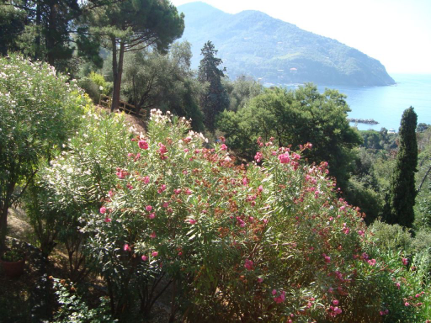
It grows from North to South in Liguria, both along the coast and inland. Some of the most famous wines made in Liguria from Vermentino are from the Colli di Luni, pictured in the distant hills.
Vermentino is a light-bodied white wine that grows mostly in Italy on the island of Sardinia. What’s exciting about Vermentino is it can be deliciously complex in taste in similar style to Sauvignon Blanc. It can range from lighter to fuller-bodied wines depending on the climate. Because Vermentino is so unknown, you can find high quality wines for a great value. The most famous wine made from Vermentino is probably the DOCG Vermentino di Gallura (and Vermentino di Gallura Superiore), which is produced in the province of Olbia-Tempio, in the north of Sardinia. The grape is said to have been cultivated in this part of Gallura, often under the name Arratelau, since the 14th century.[3] Elsewhere on the island, the grape is used for a variety of white wines, including sweet and sparkling variants.
This grape variety is from Liguria or Sardinia. The wines from Liguria are lighter than Sardinia because of the climate. That means that the ones from warmer climates are likely to be fuller bodied. Flavor wise, some people have described it as similar to Sauvignon Blanc.
Vermentino is one of the most important white grape varietals in Italy, and is widespread in wine growing regions on the Tyrrhenian coast, especially in Liguria, Tuscany and Sardinia. Vermentino has the unique characteristics of wines that are born near the sea; pronounced minerality, notes of aromatic herbs and Mediterranean scrub. On the palate it’s characterized by marked salinity, fresh citrus fruits like lime and grapefruit, green apple, and almond.
With its minerality and freshness, Vermentino is excellent paired with appetizers made with summer vegetables like aubergines, and zucchini, seafood courses and fish, and even dishes with elaborate preparations. In Sardinia it is typically served with “porceddu,” Sardinian roasted suckling pig. It also enhances risottos, omelettes, and fresh cheeses.
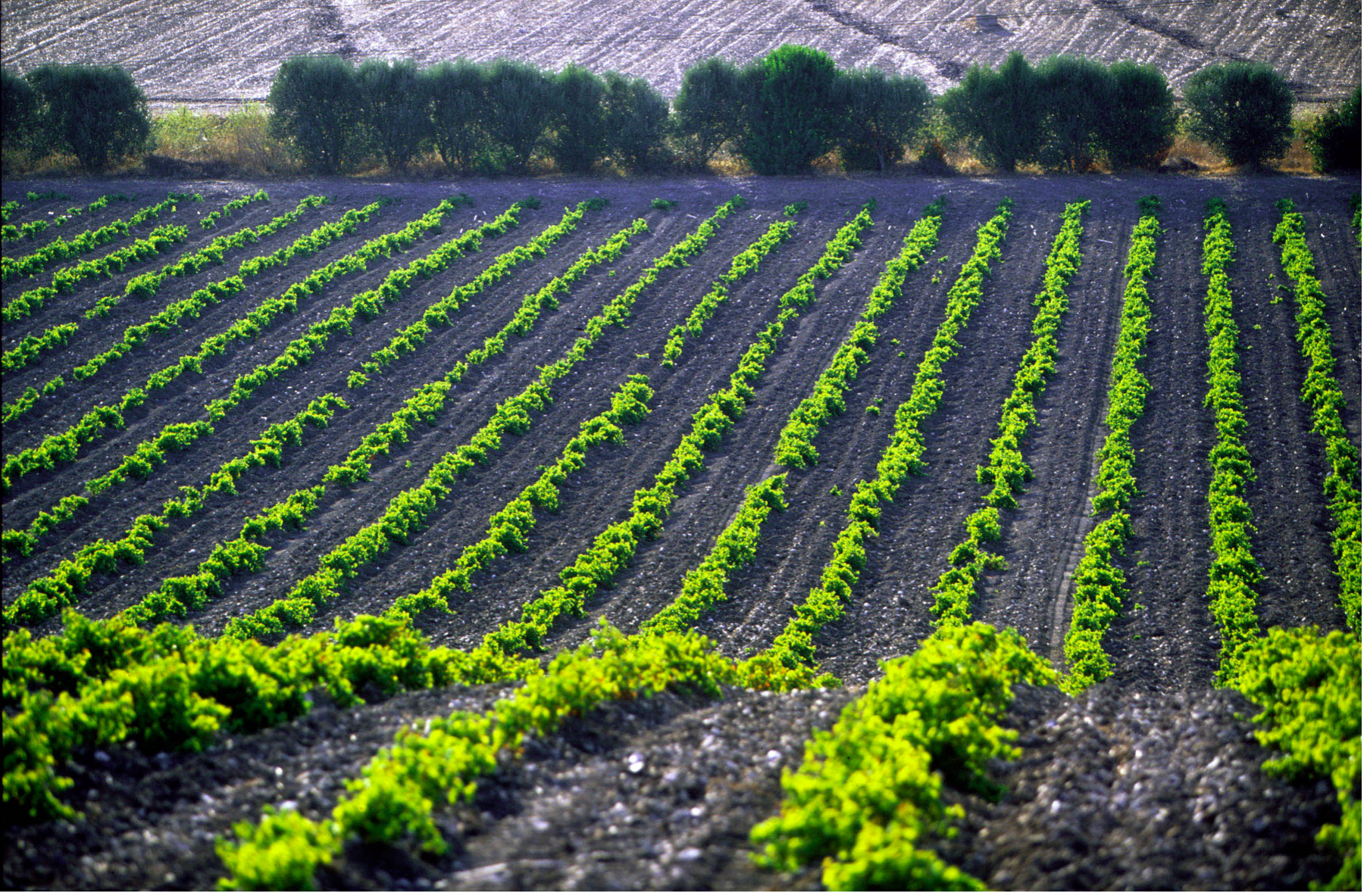
When speaking about Vermentino however we must always remember to mention Sardinia where it holds a distinctive DOCG denomination in Gallura. Vermentino also grows on Corsica but that doesn’t come into our discussion. It does however make the cut for Benvenuto Vermentino, a festival now in its third year celebrating Vermentino from around the Mediterranean.
Fiano
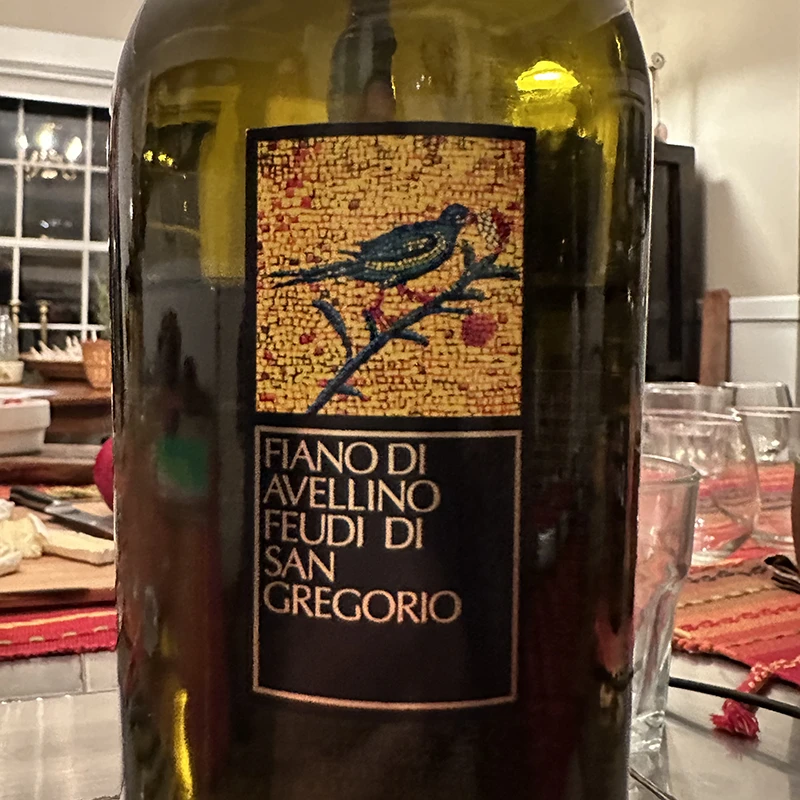
Fiano is a white Italian wine grape variety that is grown primarily in the Campania region of southern Italy and on the island of Sicily. In Campania, this fairly strong flavored white wine grape is particularly noted around Avellino where the Denominazione di origine controllata e Garantita (DOCG) wine of Fiano di Avellino is produced. The grape has a long history in the Campanian region and is believed to have been the grape behind the ancient Roman wine Apianum. Even today, the name Apianum is permitted to appear on wine labels of the DOCG wine Fiano di Avellino.
Fiano is a high-quality, white-wine grape variety used widely in southern Italy, particularly in the Campania Region. Used mainly as a varietal wine, Fiano is nutty and textured with floral and honeyed notes, spice and tropical fruit flavors like pineapple.
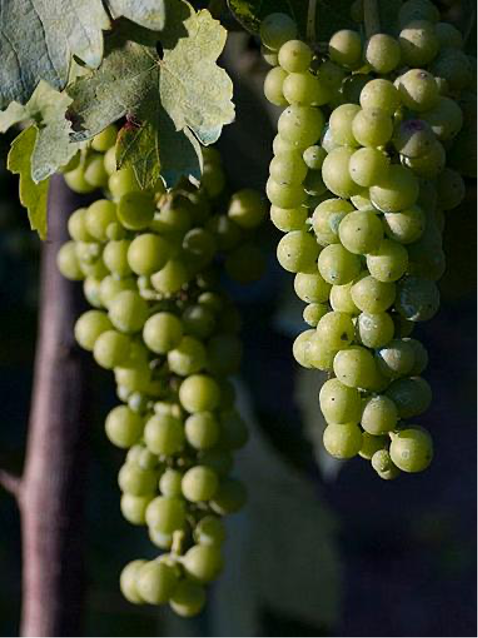
Ampelographers and wine historians consider Fiano a “classical vine” of southern Italy that likely has its origins in ancient Roman viticulture and perhaps may have even been cultivated by the ancient Greeks before them. Wine writer Jancis Robinson notes that some historians speculate that Fiano may have been the grape behind the Roman wine Apianum that was produced in the hills above Avellino. The wine was produced by a grape known to the Romans as vitis apiana, with the root of apiana being the Latin for bees. Even today bees are strongly attracted to sugary pulp of Fiano grapes and are a prevalent sight in the vineyards around Avellino.
The small, thick-skinned berries of Fiano usually produce very little juice and, given the vines natural propensity for low yields, can make Fiano an unprofitable variety to grow. It was for reasons such as this that Fiano saw significant declines for most of the 19th and 20th century as growers uprooted the grape in favor of varieties like Trebbiano and Sangiovese that could yield larger amounts of wine. However, in recent years, the variety has enjoyed an uptick in interest as southern Italian wine regions see an influx of investment in the modernization of winemaking techniques and equipment, as well as a desire to revitalize indigenous and classical varieties.
The Fiano grape is most closely associated with the Campanian DOCG wine of Fiano di Avellino. Nearing extinction in the last half of the 20th century, interest in the variety, spearheaded by producers such as Mastroberardino, saw a renaissance of planting around Avellino. Some of the most notable plantings of Fiano are found in hazelnut plantations around Avellino with wine tasters such as Jancis Robinson noting that the wines produced from these grapes can have a slight hazelnut flavor to them.
According to Jancis Robinson, Fiano can produce an age-worthy wine that has the potential to develop in the bottle for several years after the vintage date. In its youth Fiano is often intensely flavored and aromatic with honey notes that over time develop more spicy and nutty notes.
The advent of modern winemaking techniques with its emphasis on limiting oxidation and preserving freshness, have improved the overall quality of Fiano wines over the years. However, some producers that still practice more traditional winemaking techniques can still produce wines that come across as heavy and be prone to premature oxidation.
In the opinion of wine expert Oz Clarke, well made examples of Fiano from favorable vintages should have a fair amount of weight on the palate with a floral aroma and notes of honey and spice with the potential to continue improving with bottle age.
Trebbiano
The Trebbiano family of grapes (Trebbiano Toscano, Trebbiano Abruzzeze, Trebbiano Di Soave, etc.), are the most common white grape variety in Italy and is present in the blend of dozens of DOC wines, both white and red. Trebbiano tends to be a fairly shy wine, with the exception of Trebbiano Abruzzeze where it shines as a single varietal, but typically, it is not very aromatic or structured. However, it boasts an excellent acidity, lending it to be an ideal grape for passito style dessert wines.
Trebbiano is an Italian wine grape, one of the most widely planted grape varieties in the world. It gives good yields, but tends to yield undistinguished wine. It can be fresh and fruity, but does not keep long. Also known as ugni blanc, it has many other names reflecting a family of local subtypes, particularly in Italy and France. Its high acidity makes it important in Cognac and Armagnac[3] productions.
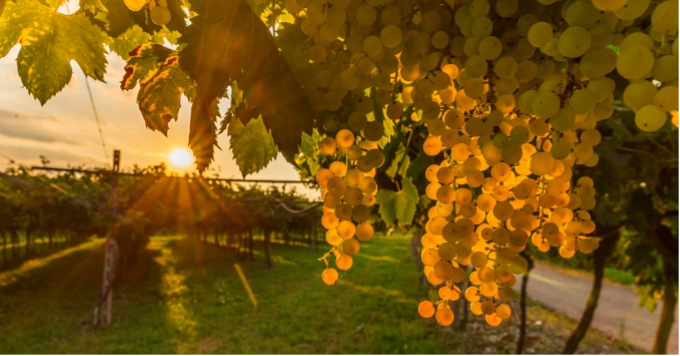
Trebbiano is planted in nearly every region of Italy. It is definitely a grape variety to know. As with many of the other grape varieties, styles and characteristics can vary greatly depending on where it is grown and made. True varietal Trebbiano wines are rare, as the grape is often blended or — in places like Emilia-Romagna, Lazio and Abruzzo — not even properly identified and categorized.
The finest examples of Trebbiano d’Abruzzo (the DOC, not the grape, which is called Trebbiano Abruzzese) can be among Italy’s greatest white wines; mass-produced versions of Trebbiano Toscano can feel threadbare and anemic.
Trebbiano Abruzzese: As we often find when studying Italian wine: the more mountainous the landscape, the higher the potential for mystery! Such is the case with Abruzzo’s high-quality Trebbiano Abruzzese, whose total plantings in the undulating highlands of Abruzzo are still not fully accounted for. This is in part because its vines are often confused with Bambino Bianco, Trebbiano Toscano and even Passerina.
Trebbiano d’Abruzzo (a DOC-level wine) must be 85% Trebbiano Abruzzese, Trebbiano Toscano and/or Bambino Bianco. The “or” in this blend is crucial, as it affords a lot of wiggle room for winemakers, and little incentive to differentiate among the grapes. But thanks to a handful of producers such as Emidio Pepe, Valentini and, in particular, Tiberio, we are learning a lot more about Trebbiano Abruzzese. Particularly, that it makes some of Italy’s most fascinating, textural and age-worthy dry white wines.
Trebbiano passito is an ideal sipping wine to serve with dried fruits, soft or blue cheeses.
Catarratto
Catarratto is a white Italian wine grape planted primarily in Sicily where it is the most widely planted grape. Catarratto can make full bodied wines with lemon notes.[1] In the Etna DOC, the grape is often blended with Minella bianca and Carricante. Sicily’s Catarratto is probably most notable for its role in Marsala production.
Catarratto is a white grape variety from the island of Sicily, off the southern coast of Italy, and is mostly used in the production of light, easy-drinking white wines. Despite being grown almost exclusively on the island, it is one of Italy’s most commonly planted grape varieties, making up around 60 percent of the island’s total vineyard area.
Catarratto is high-yielding (its name possibly refers to the “cataract”, or waterfall. It produces full-bodied and rather neutral-tasting wine with low acidity and little aromatic interest – hardly the benchmarks of a top quality grape. That said, careful vinification from dedicated producers has shown the variety is capable of producing good wines with juicy texture and crisp lemon flavors; sometimes that of dried flowers and honey, peach and apple.
On the nose, expect a rich bouquet of sweet fruit aromas ranging from sweet lemon to peach and pineapple. Some wines have an almost banana-honey like quality. Underneath the fruit you’ll get hints of floral-herbal notes such as dried flowers or thyme and sage.
On the palate, Catarratto is typically made in dry styles. The taste is broad and somewhat truncated due to the wine’s average acidity. That being said, excellent examples have a fresh mineral quality on the finish, almost like thyme, green almond, and wet rocks. We have tried the Regaleali Catarratto among others and it is stunning.
Pecorino
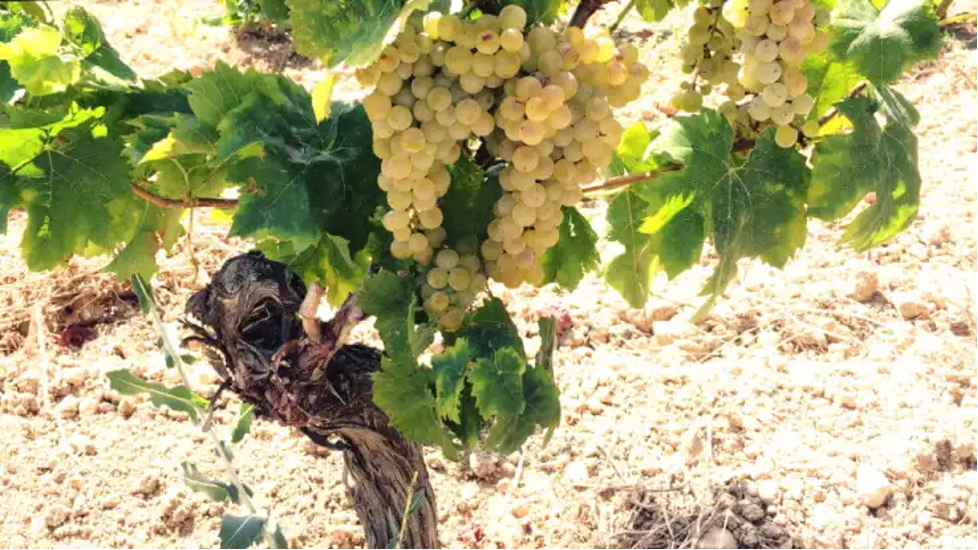
Pecorino is a light-skinned wine grape used in Italy’s eastern wine growing regions, primarily in the Marche and Abruzzo. The wines are straw-yellow in color, dry with pronounced minerality and an elegant, floral bouquet of acacia and jasmine flowers.
Pecorino is a white Italian wine grape variety that grows in the Marche, Abruzzo, Tuscany, Umbria and Lazio regions of Italy. Ampelographers believe that the grape is likely native to Marche, where the soil destined for this cultivation increases every year. This grape variety is used to produce the DOCG (denominazione di origine controllata e garantita) wines, like the Offida Pecorino DOCG, and the DOC (denominazione di origine controllata) wines, like the Falerio dei Colli Ascolani, the Colli Maceratesi and the Falerio dei Colli Ascolani
Wines from this wine have the acidity that Italian whites are known for. This makes it such a fantastic and interesting food wine.
Different winemakers are now exploring different winemaking styles with this grape. I think that no matter the style, the wine is delicious when made from this grape.
Native of Arquata del Tronto in the Ascoli Piceno province in the Marche. Ampelographers believe that Pecorino is a very old variety that, originated by Benedictine monks cross as a wild grapevine growing in Arquata del Tronto that was eventually domesticated for wine production. The name is direct link between the Pecorino grape and pecorino cheese. Ampelographers believe that the grape’s name derives from the Italian word pecorino.
In the ancient times, Romans considered central Italy as very important for wine production, especially processed from this grape. In the documented history, in the year 1526 anyone who damaged the vineyards of the Pecorino grape in the territory of Arquata del Tronto had to pay a fine of 10 coins, according to the government local laws called the Statuti di Norcia (Umbria region).
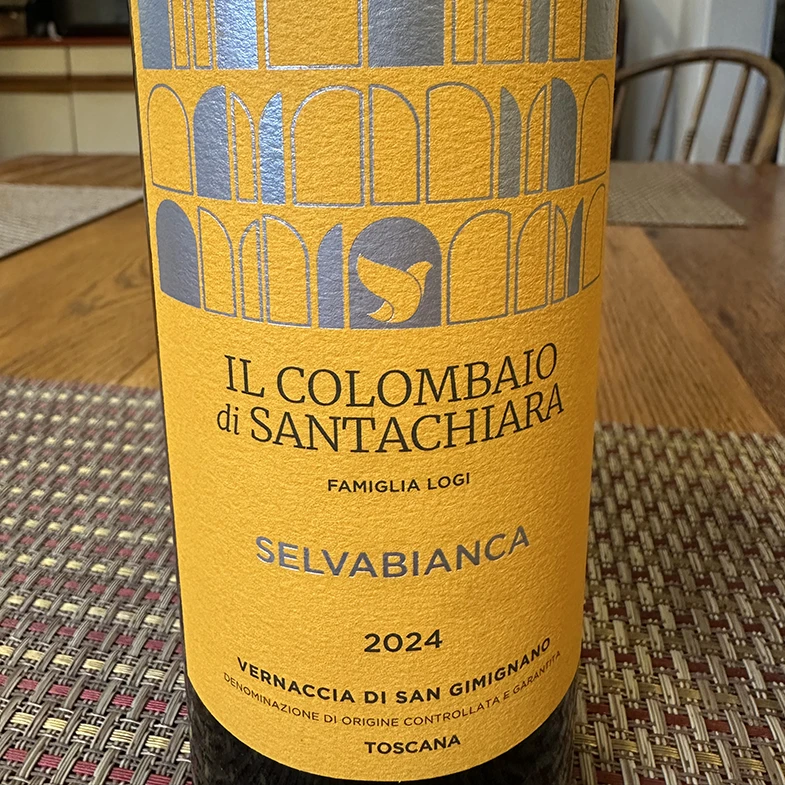
Vernaccia di San Gimignano
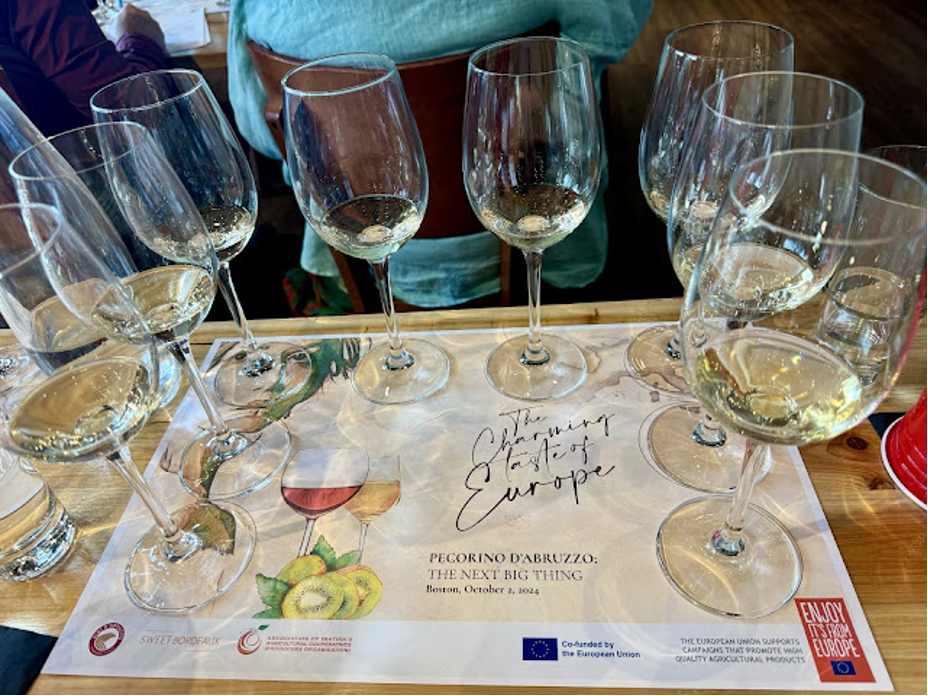
A classic white wine from Tuscany, Vernaccia is the white wine produced from the grape variety of the same name. It is rarely seen outside of Tuscany, and it is responsible for the region’s only DOCG white wine, Vernaccia di San Gimignano. There, up to 10% of other grape varieties (Sauvignon Blanc, Trebbiano, Malvasia, and others) can be added to Vernaccia itself.
Outside of Vernaccia di San Gimignano, the Vernaccia grape variety is often found as a blending partner with other grapes, but it’s in and around San Gimignano that it achieves its most notable expression.
The Vernaccia grape variety has a history that can be definitively traced back to the 13th century. It was a wildly popular grape in that era, and the white wine produced from it found its way to the tables of kings and popes. Even Dante Allighieri mentioned it in The Divine Comedy, and Michelangelo praised it, in L’Aione: Vernaccia, he wrote, “bacia, lecca, morde, picca, punge,” or “kisses, licks, bites, pinches and stings.” So, yes: Its history in Italy is deep.
Vernaccia’s acidity tends to lean in the direction of crisp, mouth-watering citrus notes, primarily in the lemon family, as well as hints of hard orchard fruit, herbs, and a seam of minerality anchoring it all. It’s an energetic wine that also possesses excellent presence on the palate.
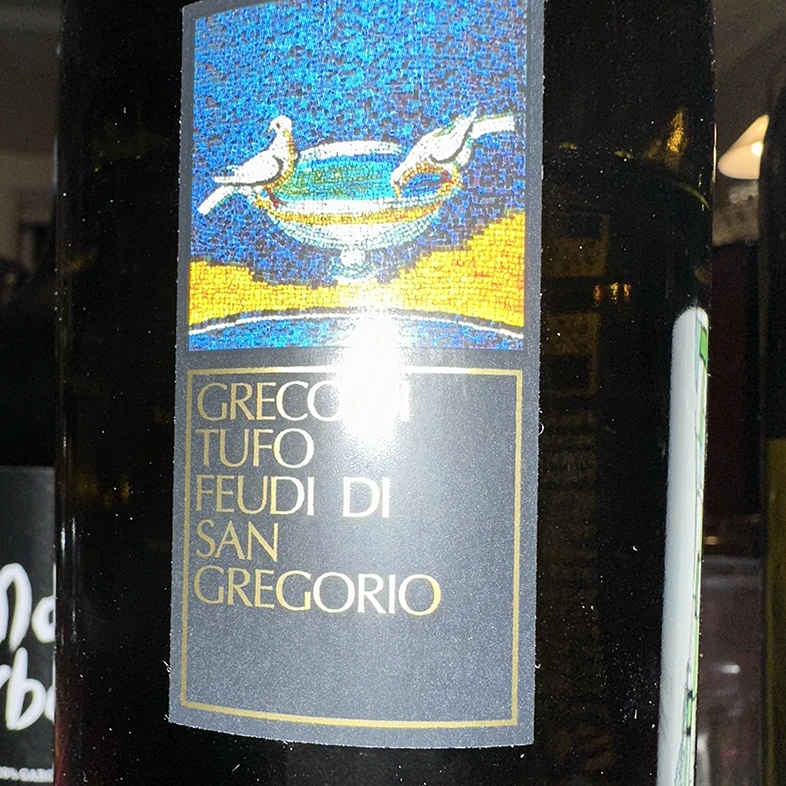
Greco di Tufo
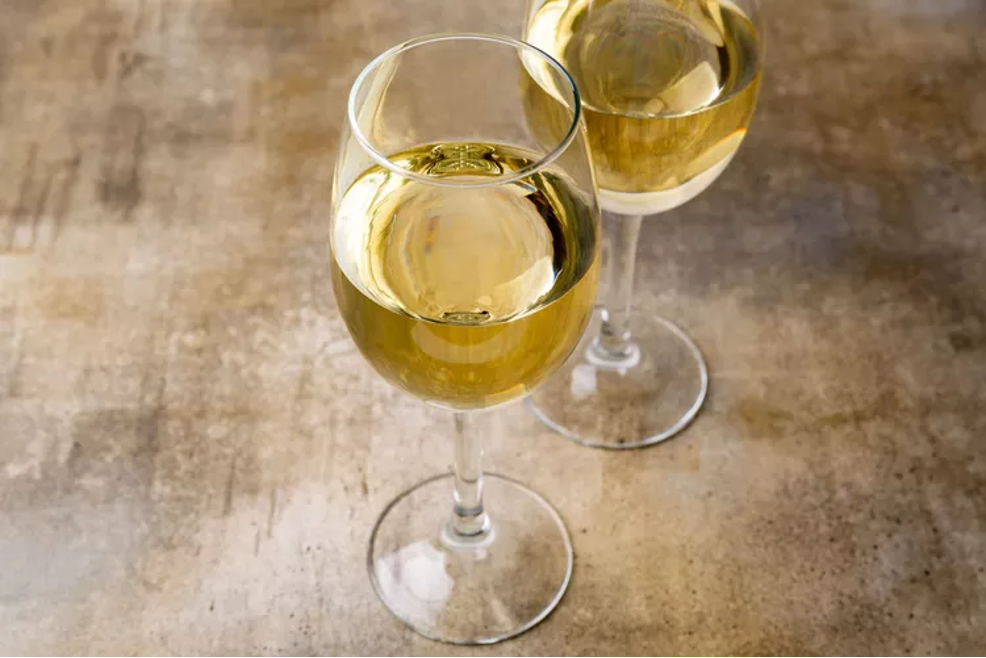
Greco di Tufo is a DOCG of the Campania wine region in southern Italy. It is responsible for what is arguably the region’s most prestigious white wine, made predominantly from the grape variety that shares its name.
The Greco di Tufo grape is a clone of Greco Bianco and is believed to have been introduced to Campania by the Pelasgians, an ancient population from Thessaly in Greece. The name Tufo refers not only to one of the villages from which the wine comes, but also the type of rock on which the village was built. Known as tuff in English – but distinct from limestone tufa – it is made of ash ejected during an eruption which then compacts.
Terroir
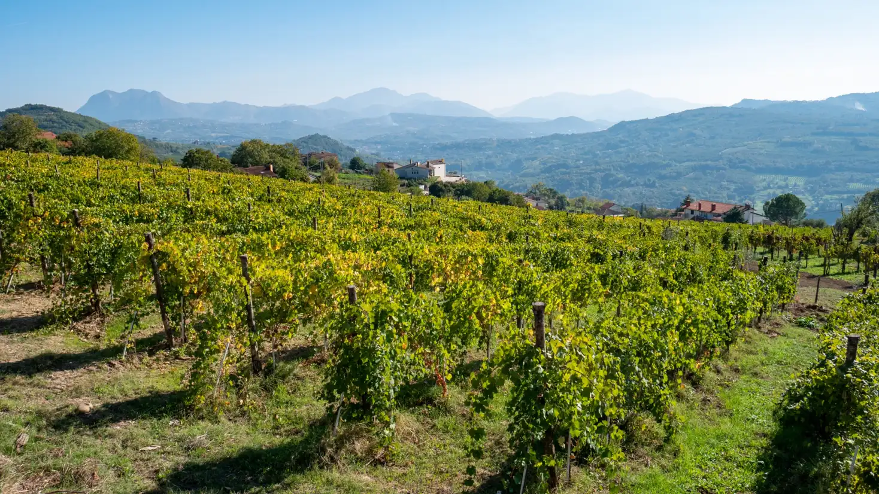
The vines from which Greco di Tufo wines are made are cultivated at an altitude of 450 to 500 meters (1,310–1,640ft). This creates cooler temperatures which allow grapes to enjoy the persistent summer sunshine without overheating or having their photosynthesis shut down. Therefore, grapes ripen without losing too much acidity, an effect magnified by the higher diurnal temperature variation here. The best Greco di Tufo vineyards are found on the volcanic hills of the Avellino province in central Campania.
Appelation
The appellation received its DOCG status in 2003. The wines must contain a minimum of 85 percent Greco di Tufo grapes. Up to 15 percent of Coda di Volpe Bianca is also permitted. A sparkling Greco di Tufo spumante variant can also be made, and must be aged for at least three years prior to release. Only eight villages can legally claim to make Greco di Tufo: Tufo, Montefusco, Petruro Irpino, Chianche, Torrioni, Altavilla, Irpina and Prata di Principato Ultra.
Tasting notes
Greco di Tufo wines stand out thanks to the unique characteristics of the sulfur- and tuff-rich volcanic and clay soils; it is believed that these lend the wine its perfume and mineral complexity. The refreshing, crisp white wines are known for their aromatic notes of lemons, pears and toasted almonds and a lingering mineral finish. The wines are generally at their best within three years of bottling.
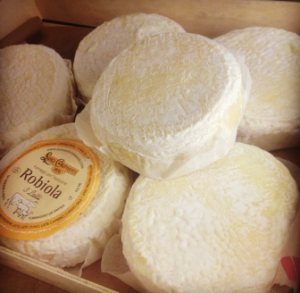
Robiola
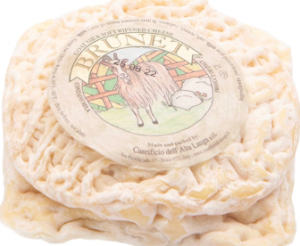
Brunet
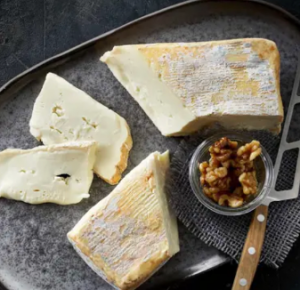
Taleggio
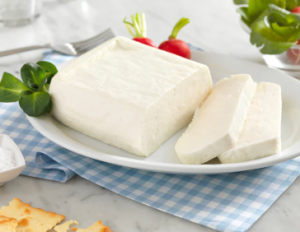
Stracchino
Food Pairings
Seafood Linguine
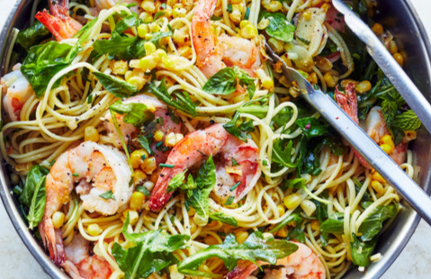
In a saute pan, begin softening onion in butter and olive oil; when starting to soften, add minced garlic, and a handful of shredded greens such as spinach, bok choy, beet greens. Cook on medium low heat for a few minutes until the greens are wilted, but still bright colored. Set aside.
In a skillet, bring olive oil and butter to a sizzling point, but not burning. Slide in marinated shrimp, scallops, or chunks of a firm, white flesh fish. Sear on one side for a few minutes, and then carefully flip each piece of fish to begin searing on the other side. Reduce the heat under the pan. Add in fresh corn and chunks of sweet red pepper, and cook 2-3 minutes, and stir in ½ – 1 c. fish fume.
Stir in the onions and greens, add more olive oil as needed, and season to taste.
Serve over a bed of fresh linguine, and garnish with herbs, lemon, and a sprinkling of feta if you wish.