
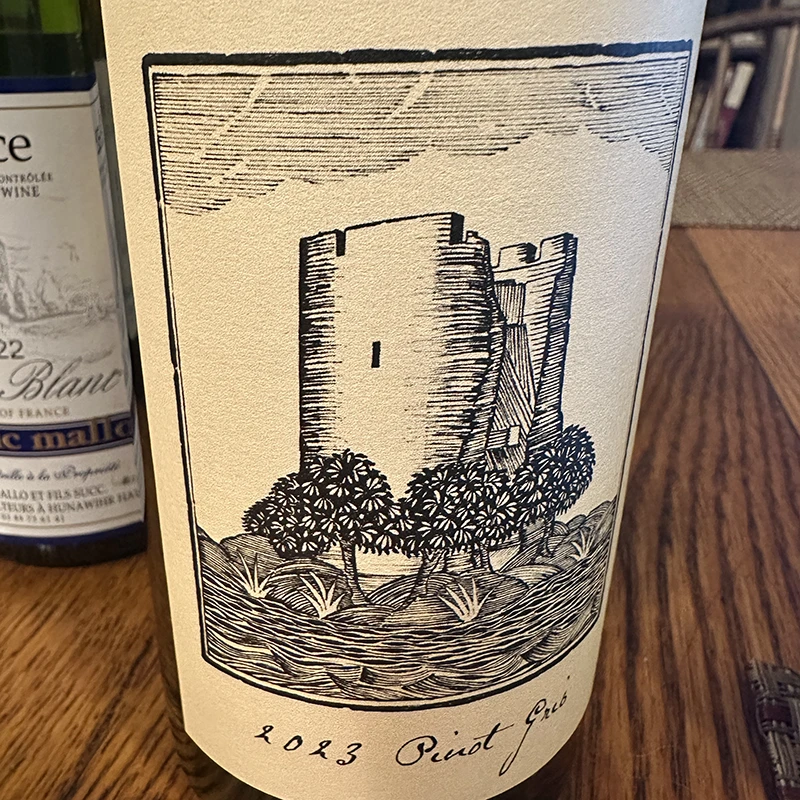
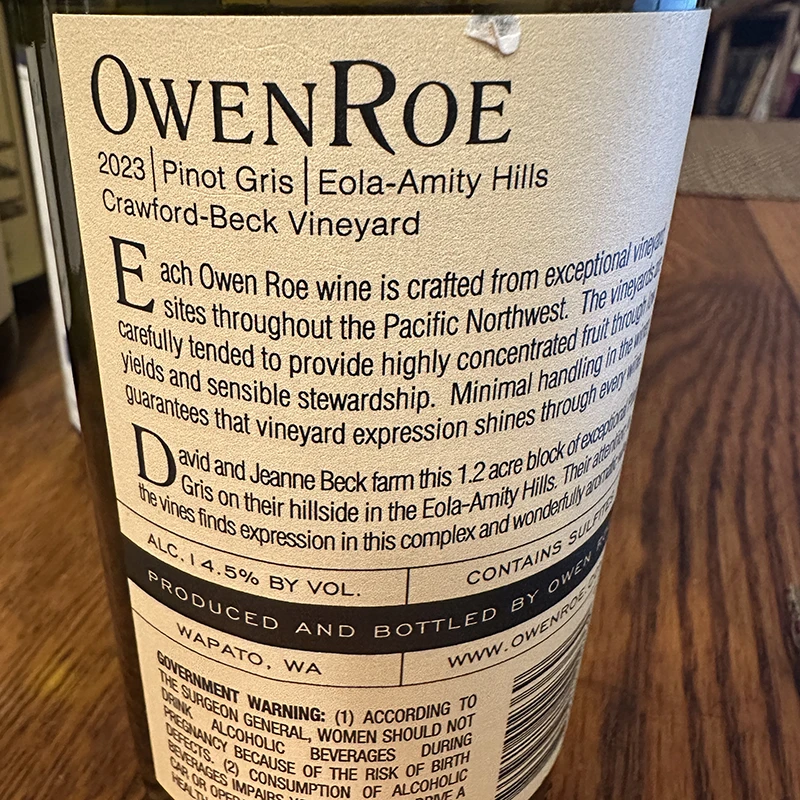
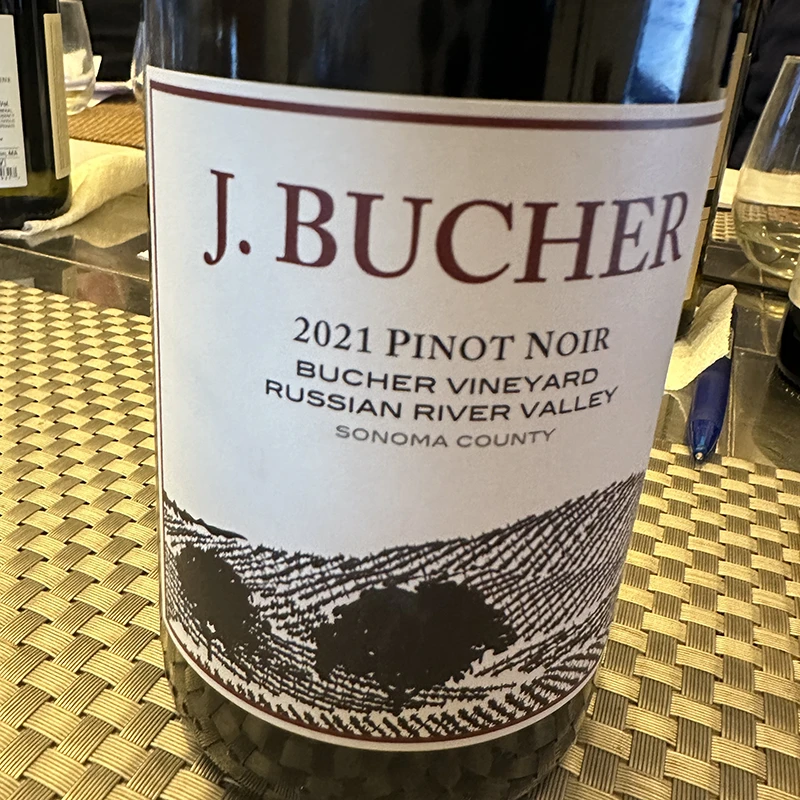
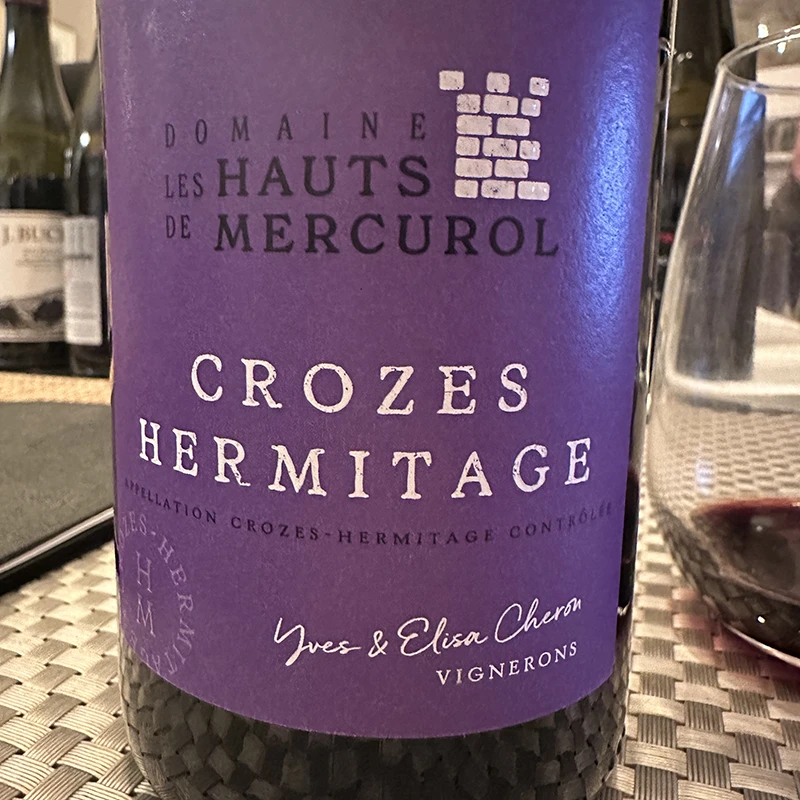
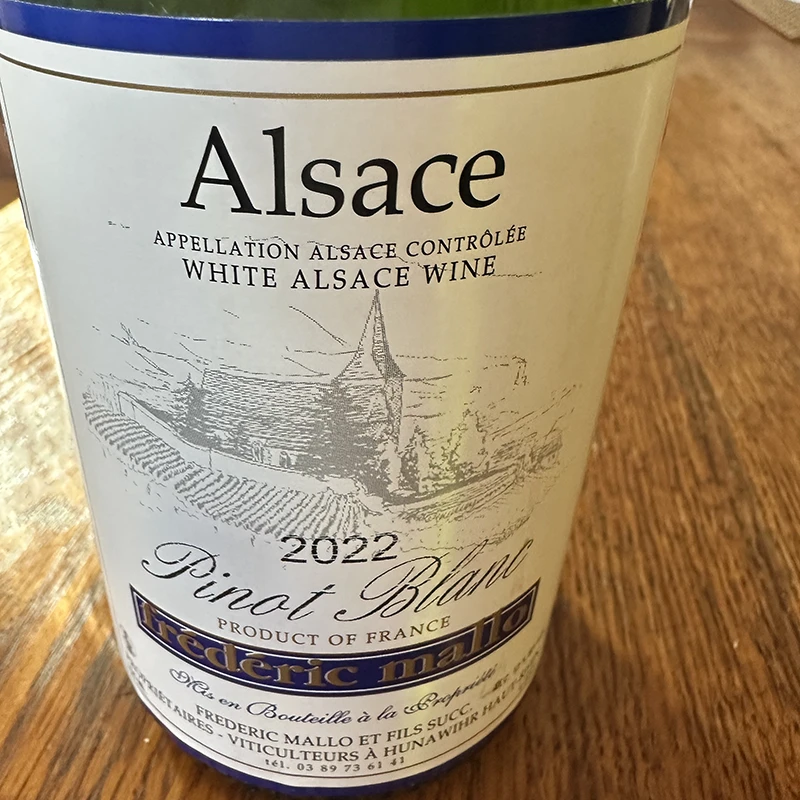
This Pinot Gris is known for its high-quality, cool-climate characteristics, often showcasing a delicate balance of bright fruit and structured acidity
Vineyard
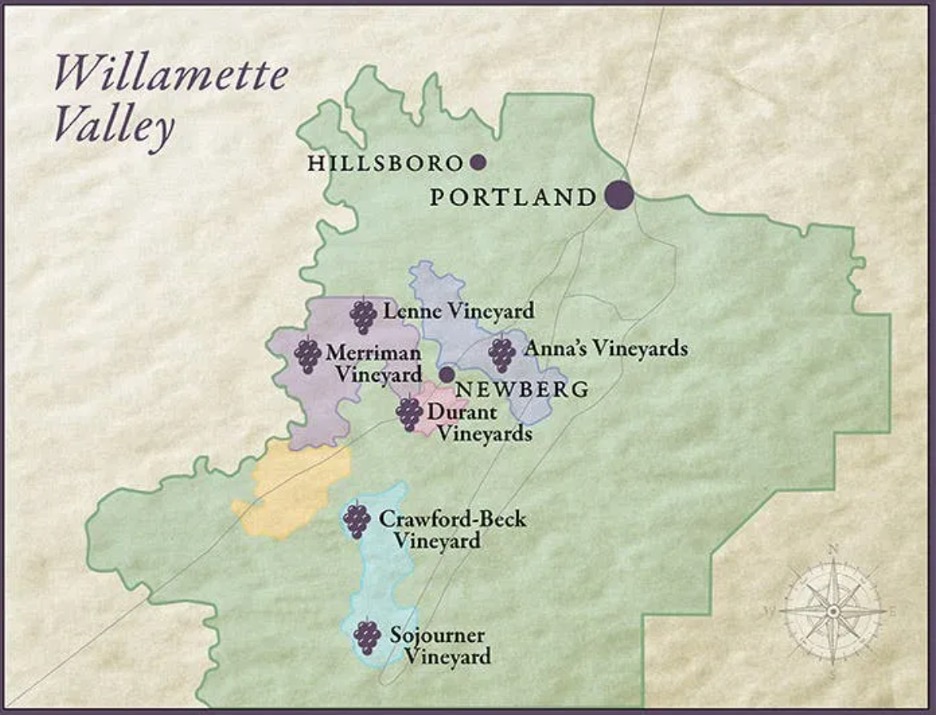
Established in 1999, our emphasis towards Northwest wines has evolved to showcase the unique terroir within the prestigious grape growing regions of the Yakima and Willamette Valleys. Co-founders David & Angelica O’Reilly have a passion and history dedicated to fine wines, and together they have crafted a diversified portfolio that has been recognized globally by critics, wine writers and consumers.
David and Angelica first developed an interest in wine while attending college in California. They studied the classics reading original texts from some of the great minds of the Western Civilization. They married soon after graduation and embarked on a journey to live a life dedicated to farming and an environment to raise their family in a family business. It was in the Central Coast of California where they discovered a love for cool-climate Pinot Noir in the late 1980’s. After 3 years, they were drawn to Oregon where they have made wine for the past 35 years. Just several years later, David and Angelica formed Owen Roe to explore the most interesting sites of the Willamette and Yakima Valleys. They fulfilled their designs to an agrarian lifestyle raising eight children who have all contributed to the success of the Owen Roe Brand.
Crawford Beck Vineyard
As Oregon’s leading wine region, the Willamette Valley is over 100 miles long and spans up to 60 miles wide. Nestled between the Cascade Mountains and Coast Range, its 24,000 acres of vineyards are offered a beautiful cool growing climate, ideal for crafting delicate yet complex Pinot Noir.
Steininger Kampal Riesling 2022
Our winery has for generations been synonymous with the combination of tradition and modern cellar technology, but always for uncompromising quality. We have the privilege of living and working in one of the most beautiful wine-growing areas in Austria. Our beautiful hometown Langenlois and the surrounding Kamptal valley offers us the best conditions for our typical wines and sparkling wines.
“Our philosophy is to make wines that show the fruit and character of the grape. We love the style that we get from our cool climate and the soils of the Kamptal – the aromas are clear, proud and expressive. We focus on the most important varieties of the Kamptal, the Grüner Veltliner and the Riesling. These varieties are very attractive to us, as they produce very large diversitys due to the different locations, vintage conditions and vinification. They achieve top quality in every category, whether classic or reserve.”
Notes from the importer:
Weingut Steininger is located in Austria’s biggest wine growing village, Langenlois in the Kamptal region. Kamptal refers to the Kamp river which runs through the region and eventually empties into the Danube. The Kamptal area is filled with culture and tourism, which are enhanced by the numerous Heurigen, wine taverns and Vinotheques. The Steininger family estate comprises 135 acres and is owned by Karl & Brigitta Steininger. Karl inherited the farm from his parents in 1980, at this time and as young newlyweds, Brigitta and Karl decided to focus on grape growing and Karl soon found himself in oenology school. The winery was launched 1989.
Brigitta and Karl realized very quickly that they could only survive on the international market with high quality wines. “Our philosophy is to make wines, which show the fruit and the character of the grape. We love the stylistics, which we receive because of the cool climate and the terroir of the Kamptal – the flavors are clear, proud and expressive. We focus on the main varieties of Kamptal, Grüner Veltliner and Riesling. These varieties are very attractive to us because they produce very interesting wines from different vineyards and the different vintage conditions.” Karl’s chief lesson to his children is that good wine cannot be rushed. It must be given the time it needs to develop, mature and evolve. Their oldest daughter Eva and her husband Peter are the next generation of winery owners. Eva has been managing the winery since 2021 and is responsible for sales, marketing, and administration. Peter is overseeing the vineyards and cellar, hand in hand with Karl. Together with their three sons they live right at the winery.
Ried Kogelberg
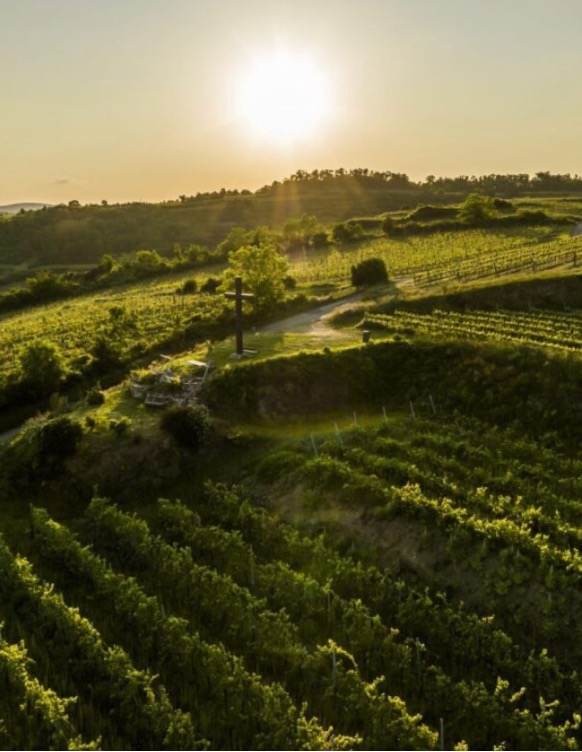
The Zöbinger Kogelberg is a foothill of the Waldviertel high plateau and one of the northernmost top locations in the Kamptal. The south-facing slope is divided into terraces and the large temperature differences between extreme sunshine during the day and the fresh Waldviertel night promote the fine fruitiness of the wine. Crystalline rocks (“primary rock”), predominantly mica schist and amphibolite, form the bedrock. A combination that gives the Rieslings grown here a fresh, northern flavor.
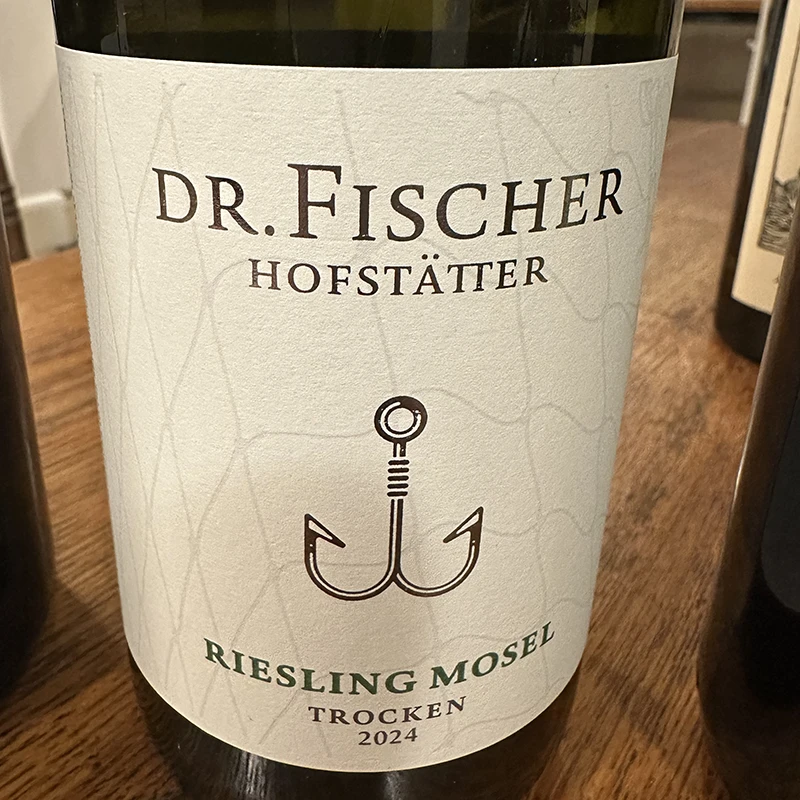
Dr. Fischer Hofstatter Riesling Mosel Trocken 2024
The 2024 Dr. Fischer – Hofstätter Riesling Mosel Trocken is a dry, crisp, and vibrant white wine from Germany’s Mosel/Saar region, crafted by Martin Foradori Hofstätter and Nik Weis. Known for its pale yellow color and distinct minerality, it features aromatic notes of citrus, green apple, and white flowers, typically showing 11-12% ABV and a lively, refreshing finish.
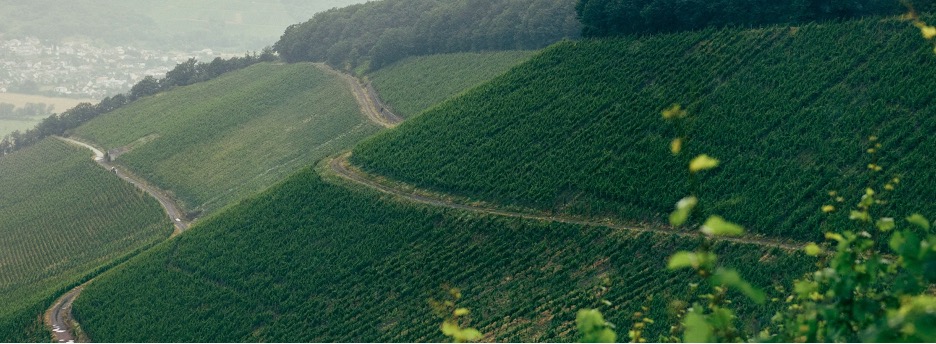
The 2024 Dr. Fischer – Hofstätter Riesling Mosel Trocken is a dry, crisp, and vibrant white wine from Germany’s Mosel/Saar region, crafted by Martin Foradori Hofstätter and Nik Weis. Known for its pale yellow color and distinct minerality, it features aromatic notes of citrus, green apple, and white flowers, typically showing 11-12% ABV and a lively, refreshing finish.
Key Details for 2024 Vintage:
This wine is a product of a partnership between the Mosel’s Dr. Fischer estate and South Tyrolean vintner Martin Foradori Hofstätter, aiming for a modern expression of classic Mosel Riesling. It is often described as having an excellent, mineral-driven structure
Tasting Notes
This wine has an intense straw yellow color. The nose opens with elegant hints of yellow flowers, enriched with notes of yellow peach and pineapple. On the palate it is fresh and mineral, with a finish of pleasant persistence. Excellent as aperitif or ideal in combination with shellfish, fish and fresh cheeses.

Wine Merchant Notes
This Riesling Trocken was born in Ockfen, in the heart of the well-known wine-growing area of the Moselle, on the Dr. Fischer – Bocksteinhof estate, now owned by Martin Foradori Hofstätter, who wanted his whole life to produce a “great Riesling”. It is produced with pure Riesling grapes, harvested and selected entirely by hand. Fermentation takes place in stainless steel tanks at controlled temperature, with indigenous yeasts. Subsequently the wine ages for a few months in steel, before being bottled.
Winemaker Notes
Dr. Fischer / Mosel, steep slopes, Riesling: The historic Dr. Fischer estate becomes part of our family’s legacy in 2014.
Dr. Fischer wines are crafted from the renowned vineyards of Ockfener Bockstein and Steinberger in the village of Filzen. The slate-rich soils, characteristic of the Mosel wine region, lend the wines a distinctive minerality. This unique terroir produces structured, expressive Rieslings—true ambassadors of their origin and a testament to our deep passion for this exceptional grape variety.
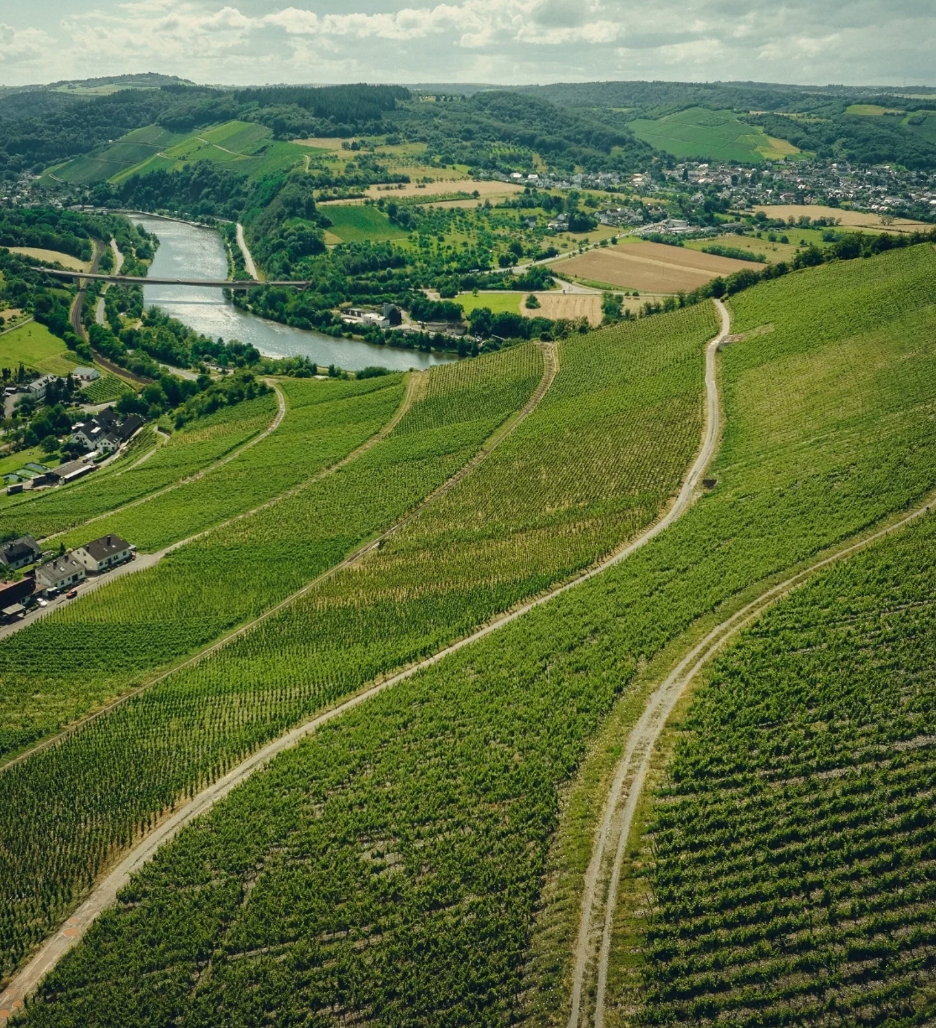
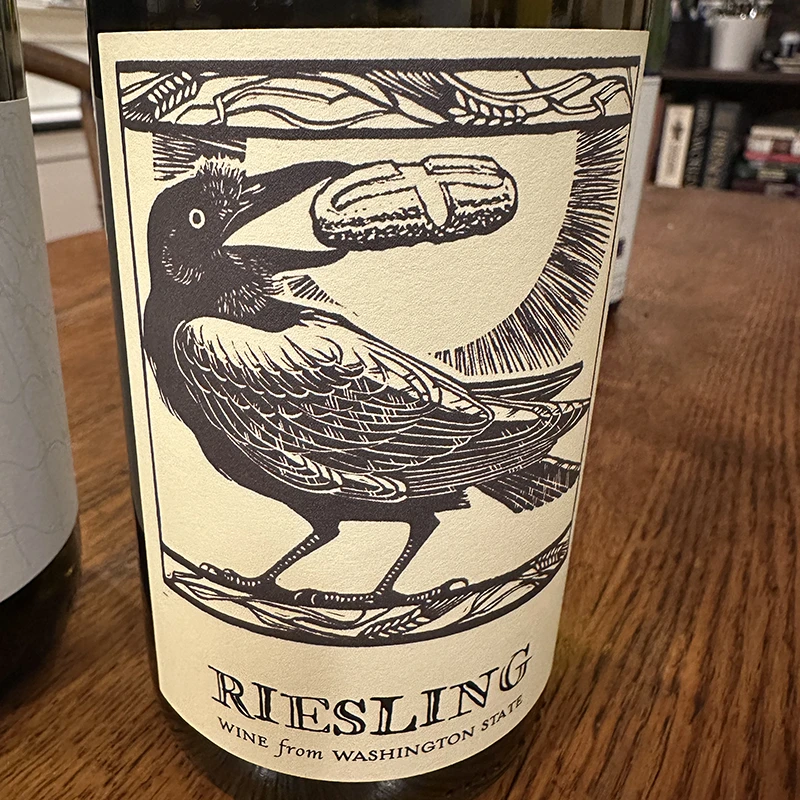
Corvidae 2024 Ravenna Riesling Washington State
The 2024 Corvidae “Ravenna” Riesling is a Washington State white wine (typically Columbia Valley/Yakima Valley) produced by Owen Roe’s value-driven label. It is described as a vibrant,, roughly 13% ABV wine featuring crisp notes of white peach, lime zest, and green apple with a mineral-driven, slightly off-dry to dry finish.
Key Details for 2024 Vintage:
Corvidae is known for producing value-focused, sustainably farmed wines in Washington, with the Ravenna Riesling being a key offering in their portfolio
This dry Riesling from the Columbia Valley in WA will impress you with its pretty orchard fruit and cleansing minerals. This is dry but of course still has that tiny kiss of warm ripe fruit that you think is sweet for a second and then the rush of cleansing mineral notes on the finish is quite dry and refreshing.
Tasting notes
Aromas of pineapple, white peach and jasmine give way to flavors of green Anjou pears, white peach, pineapple and grapefruit zest with beautiful acidity throughout the palate and finish.
Winemaker Notes
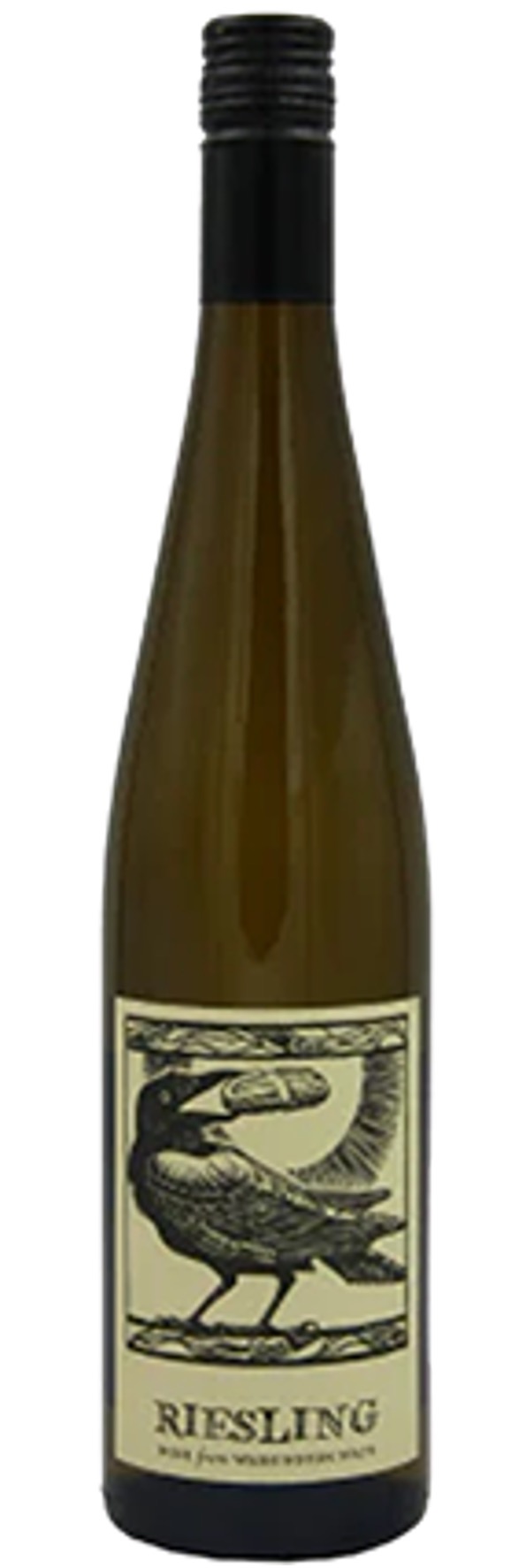 The 2024 Ravenna Riesling is a vibrant expression of Washington Riesling, balancing bright aromatics with lively acidity. Aromas of white peach, lime zest, and jasmine lead into flavors of apricot, honeydew, and crisp green apple. A touch of natural sweetness is harmonized by a zesty mineral finish, making this wine refreshing and versatile. Perfect as an aperitif, it also shines alongside spicy cuisine and fresh seafood.
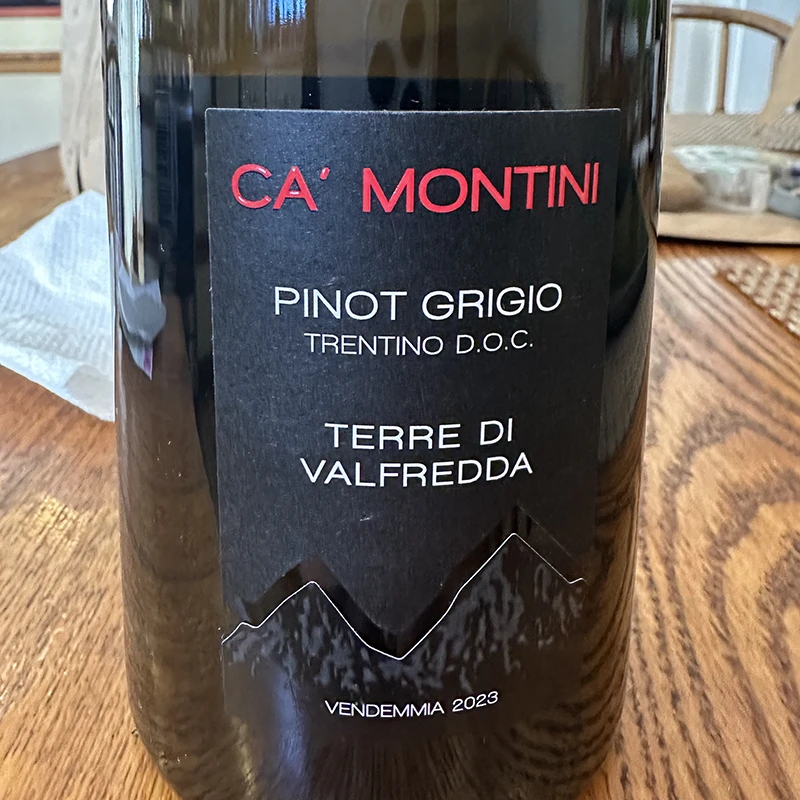
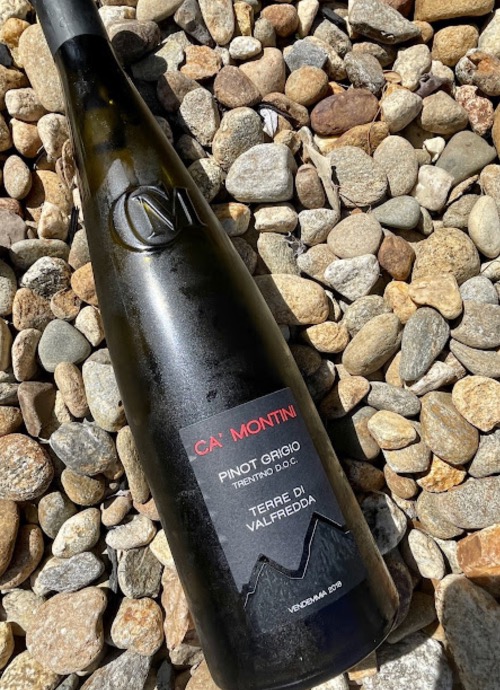
CA Montini Pinot Grigio 2023
Trentino Alto Aldige
100% Pinot grigio
12.5%
The 2023 Ca’ Montini Terre di Valfredda Pinot Grigio is a crisp, aromatic white wine from Trentino, Italy. It features, notes of white peach, green pear, and lemon with a distinct saline minerality and high acidity, reflecting its cool-climate, single-vineyard origin. It is fermented in stainless steel for a fresh, non-oaky finish.
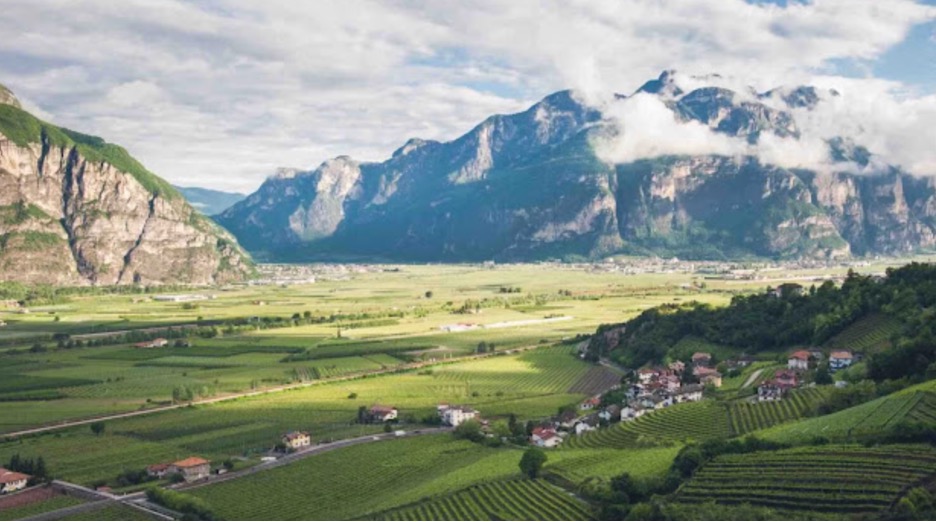
Location
Alto Adige / Trentino – Along the Adige River, which divides the valley in two and is known for being one of the longest rivers in Italy.
The Vines
These vines were planted in 1990 and occupy 74 acres of vineyards that are managed and owned by 3 local families that hand harvest the grapes.
Key Characteristics & Tasting Notes
The wine is often described as a superior, more complex alternative to, and a step up from, mass-produced, neutral Pinot Grigios
Vinification
The vinification process was developed under direct supervision of legendary winemaker Riccardo Cotarella and his technical team. Named Wine Enthusiast Winemaker of the Year and Gambero Rosso Best Italian Winemaker, Cotarella is one of Italy’s most celebrated winemakers and has been proclaimed “one of the best in Italian winemaking” by Wine Spectator and “one of the most influential wine personalities in the world” by Robert Parker.
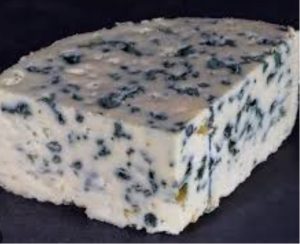
Roquefort

Raclette
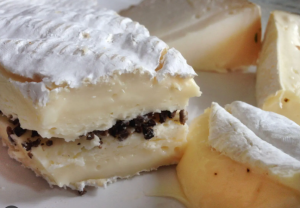
Truffle Brie
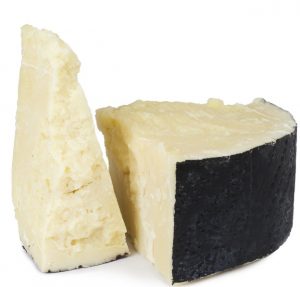
Pecorino
Food Pairings
Chicken Marsala
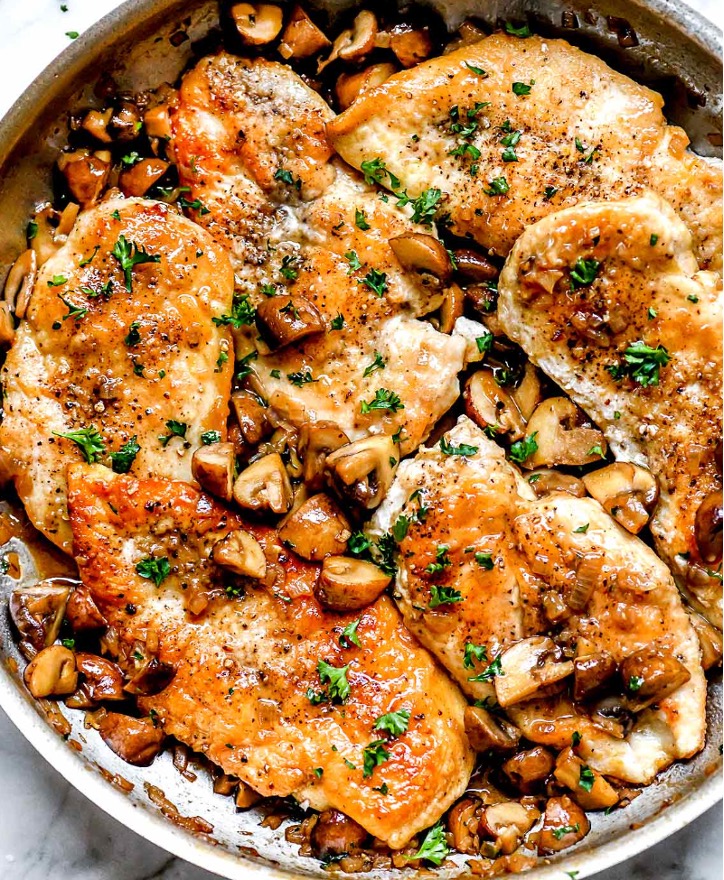
Pound boneless chicken breasts fairly thin and drizzle them olive oil, herbs, salt and pepper. Dredge them in seasoned flour and pan fry in butter and olive oil until golden brown on both sides. Set aside.
In the same pan, render your aromatics – shallots, mushrooms, a bit of garlic – and then deglaze with ½ c dry Marsala wine. When the alcohol has cooked off, add in a cup of chicken stock and bring to a simmer for 5-10 minutes to allow the flavors to meld.
Add a bit of cream and a pat of butter; if you prefer your sauce a bit thicker, add a roue and cook thoroughly before seasoning to taste.
Serve chicken over pasta or rice, with a generous napping of the Marsala cream sauce, and a generous sprinkling of fresh parsley.