



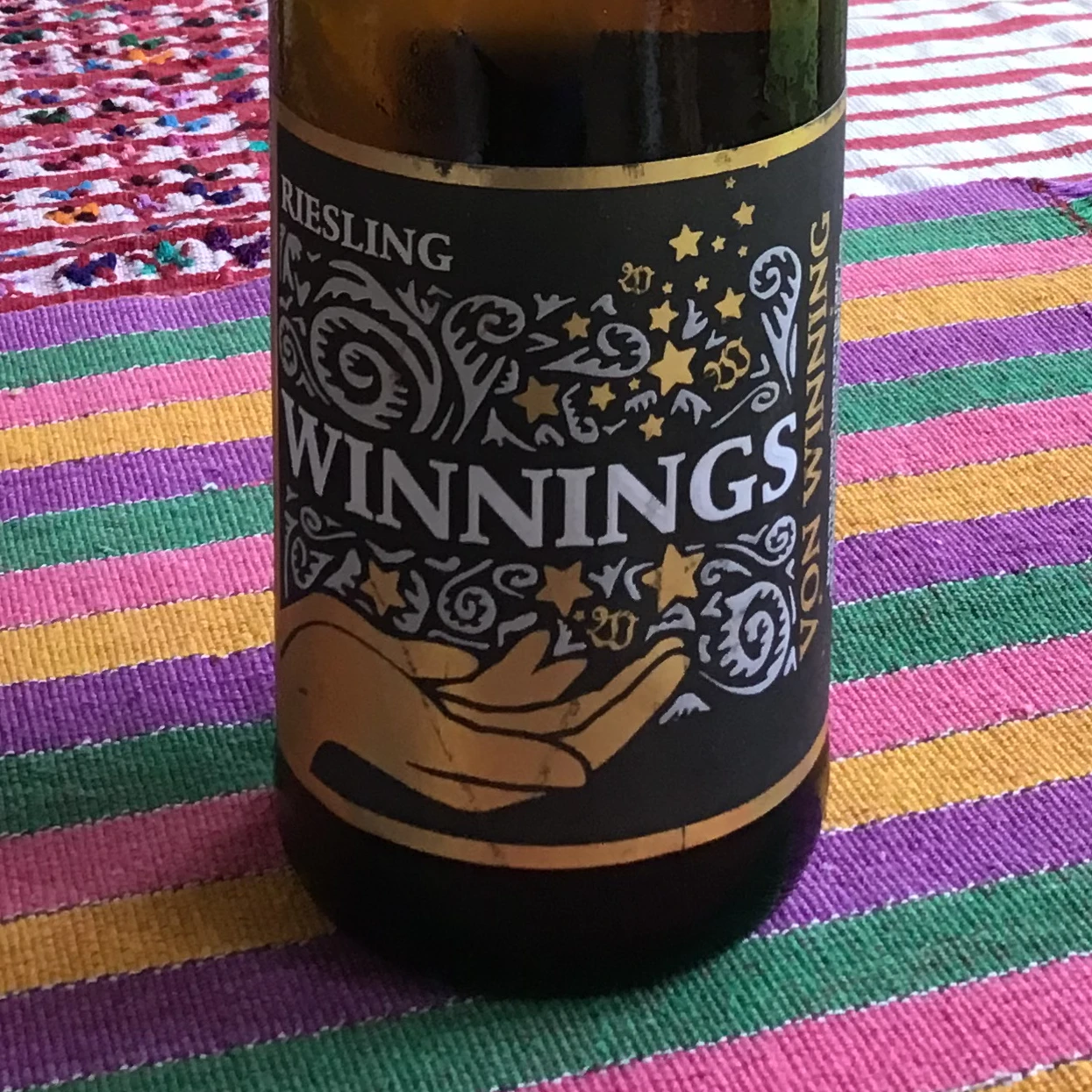
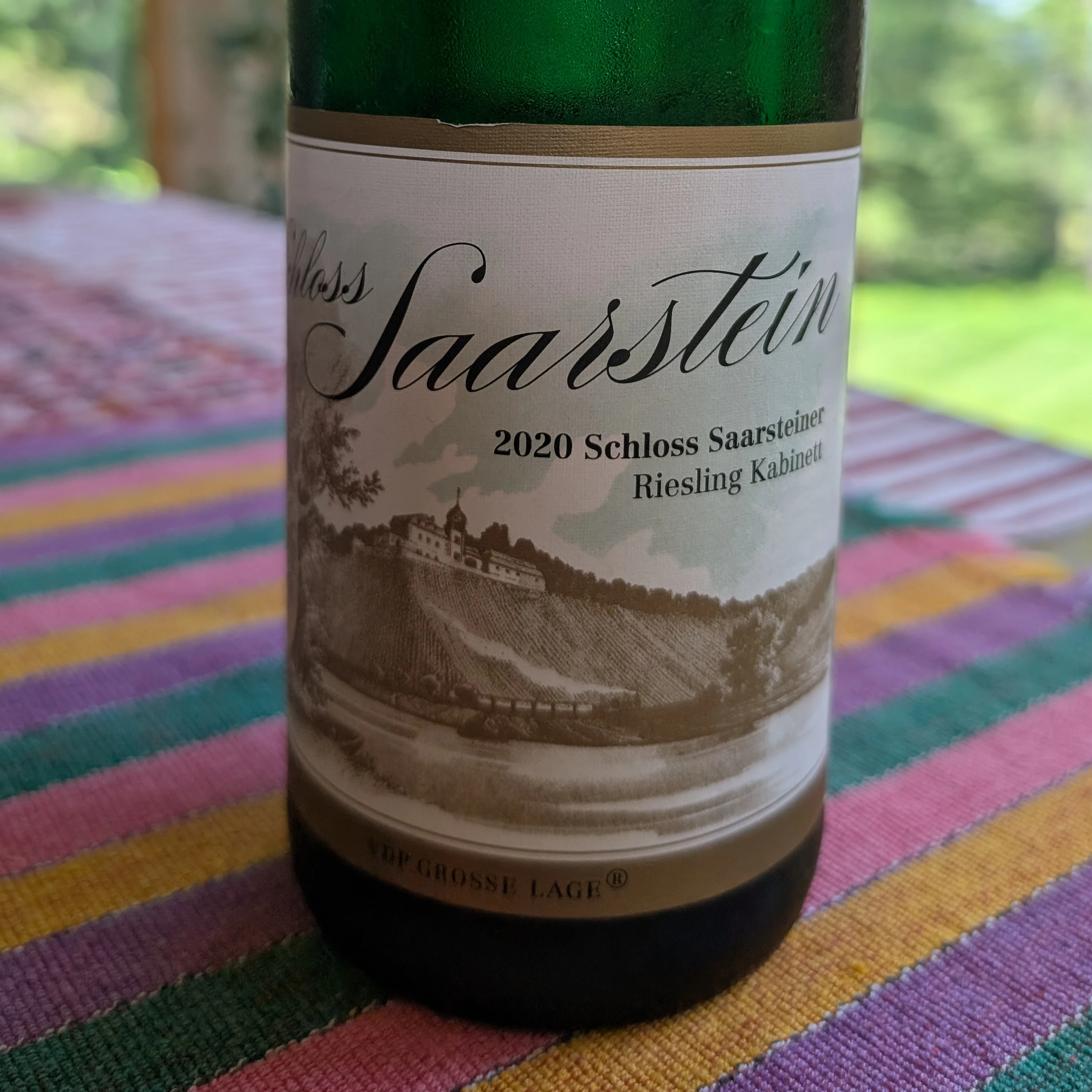
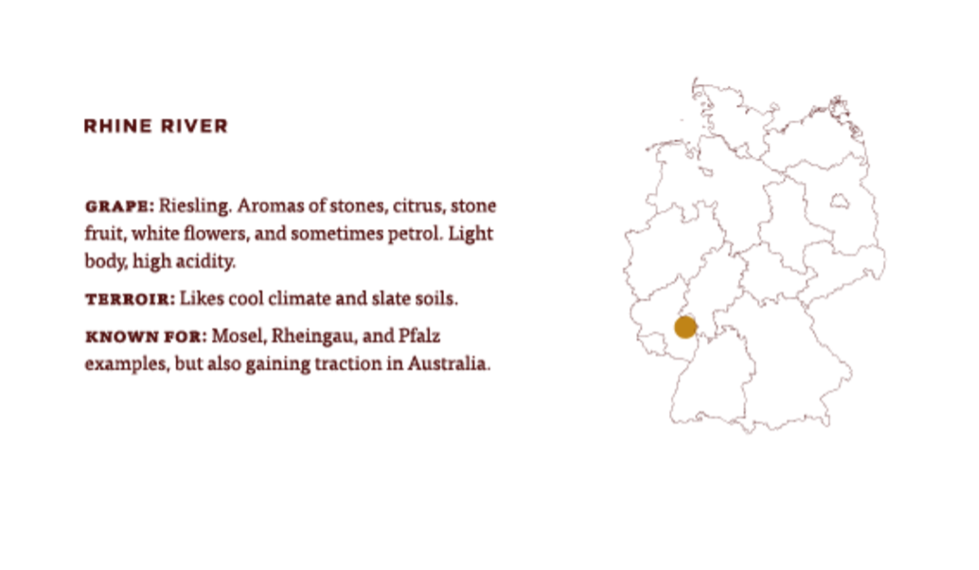
Riesling is an aromatic white wine grape variety that yields a floral white wine with fruit flavors. The riesling grape originated in the Rhine River region, which runs throughout parts of Germany, France, Austria, and Switzerland. Common characteristics of riesling wines include light body and aromas of citrus, stone fruit, white flowers, and petrol. Due to its naturally high acidity, Riesling is one of the most popular varieties used to produce late harvest wines.
Riesling wines are known for their diverse range of styles, primarily categorized by sweetness levels. These styles include dry, off-dry, sweet, and very sweet. Additionally, Riesling can be crafted into sparkling wines.
Dry Riesling:
Characterized by minimal residual sugar, offering a tart and crisp taste with citrus and mineral notes.
Off-Dry Riesling:
A balance between sweetness and acidity, often with ripe fruit flavors and a touch of residual sugar.
Sweet Riesling:
Ranging from medium-sweet to very sweet, these wines showcase ripe, candied fruit flavors and high residual sugar levels.
Sparkling Riesling:
Known as “Sekt” in Germany, this is a popular sparkling wine style made from Riesling grapes.
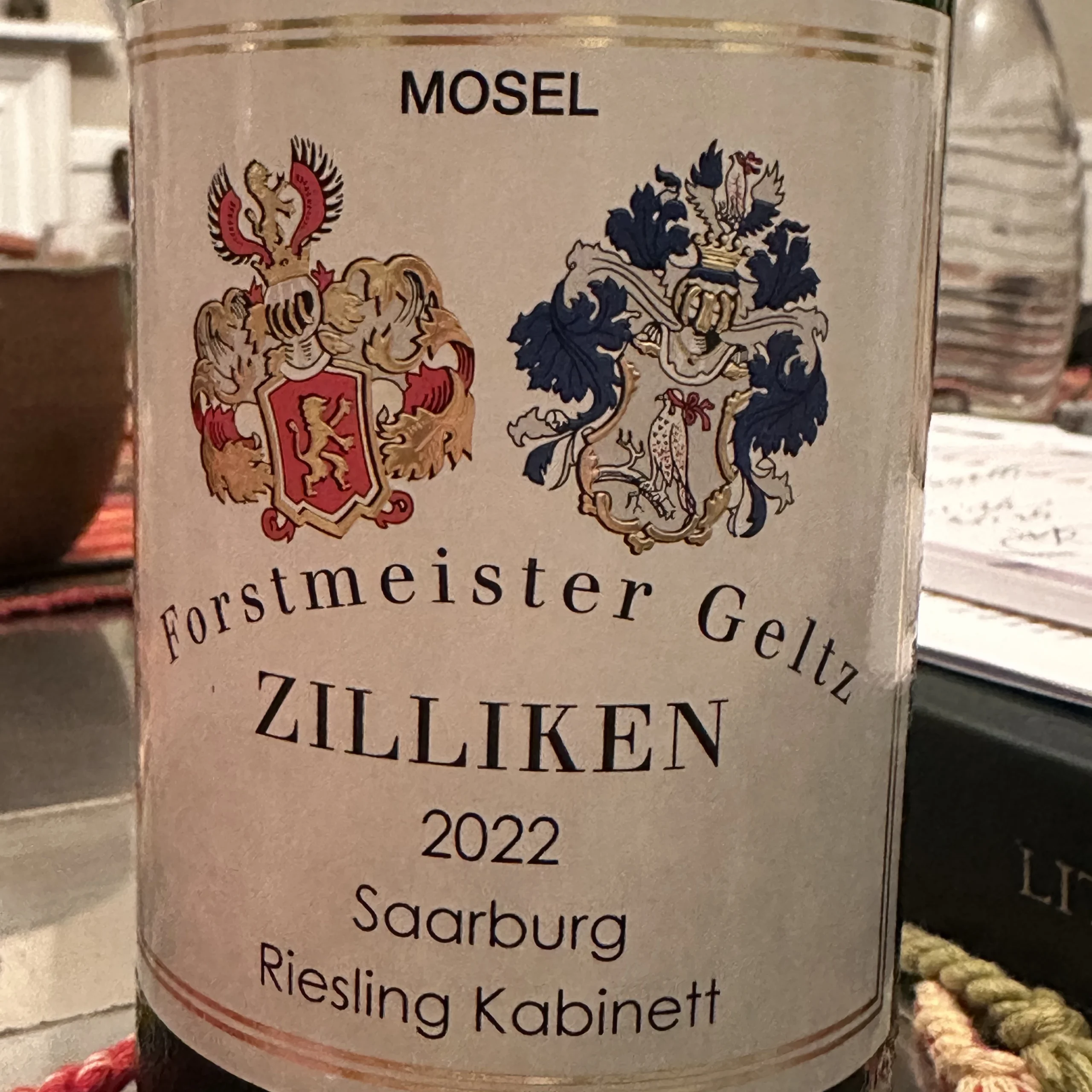
Popular examples include Kabinett, Spätlese, Auslese, Beerenauslese, and Trockenbeerenauslese, each representing a different level of ripeness and sweetness. German Classifications (often indicating sweetness):
- Kabinett: From fully ripened grapes, often dry to off-dry.
- Spätlese: Made from riper grapes, offering more sweetness and body than Kabinett.
- Auslese: Even riper grapes, resulting in medium-sweet to sweet wines with exotic fruit flavors.
- Beerenauslese: Made from grapes affected by noble rot, resulting in intensely sweet wines.
- Trockenbeerenauslese: The sweetest style, made from grapes with noble rot, resulting in concentrated, sweet wines.
Aromas and Flavors:
Riesling is known for its high acidity and range of fruit flavors, including apple, pear, peach, apricot, and citrus, as well as floral and mineral notes.
Ageing Potential:
Many Rieslings, especially the sweeter styles, have excellent aging potential, developing honeyed and petrol-like flavors over time.
Riesling is very acidic—approaching the levels found in lemonade or orange juice—leading to an enjoyable crisp taste when rounded out with sugar. It also maintains a juicy finish.
Younger flavors of riesling are fruit and flower-forward, including:
- Green, red or yellow apple
- Grapefruit
- Peach
- Pear
- Gooseberry
- Honeycomb
- Rose blossom
- Freshly cut green grass
Some older riesling wines can smell like gasoline, kerosene, or even burnt rubber. For less experienced tasters, that aroma can be off-putting enough to make the entire experience unpleasant. In fact, the scent of petrol signifies that a bottle of riesling is of higher quality than most riesling with more pleasant aromas, because all the factors that lead to the scent of gasoline in riesling grapes—lots of exposure to the sun and to water stress, for example—are the same factors that contribute to higher quality wines.
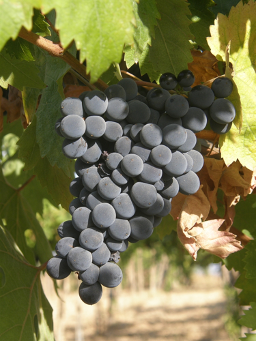 The riesling grape is characterized by its green skin, round shape, and moderate size. Grapes like riesling and pinot noir are said to express terroir well because they taste very different when grown in different areas.
The flavor and sweetness or dryness of a riesling varies depending on the vineyard soil and location. Each riesling expresses the soil, nutrients, climate, and production methods used. This also means that a sophisticated palate can identify the origin of a riesling just by tasting it.
Regional Variations:
Germany
German riesling is rarely blended with other varieties or exposed to oak, which allows the grape’s natural flavors to shine through. A third of the country’s riesling grows in the Mosel Valley. One of the country’s 13 winemaking regions, the Rheingau has spawned many of the nation’s best wine innovations and is home to some of the most notable winemakers, such as Schloss Johannisberg. Finally, Pfalz is a warm, productive region that grows ample riesling grapes with rich flavors.
France
Located on the west bank of the upper Rhine, the Alsace region in France has been home to riesling since the late fifteenth century. More than 20% of Alsace’s vineyards are dominated by riesling vines. Alsace riesling has a higher alcohol content than German riesling due to subtle changes in climate and production process.
United States
German immigrants brought their riesling winemaking traditions with them to the U.S. in the late nineteenth century. Riesling is produced in significant quantities in Washington State, Michigan, and the Finger Lakes region of New York.
Australia
Despite its hot climate, riesling is also gaining traction in Australia. Major Australian riesling producers include the Clare Valley, Eden Valley, and High Eden regions.
New Zealand
The cooler climate of the area around Marlborough on New Zealand’s South Island lends itself well to riesling production.
History
In the March of 1435, Count John IV of Katzenelnbogen’s 22-shilling purchase of six Riesslingen vines (later becoming known as Riesling) from a Rüsselheim vineyard gave us our first recorded mention of the new white grape variety, with its genetic makeup hailing from a vine native to Gaul in modern-day France.
The Count was well-known for his love of wine as well, having a special gold-plated silver tankard crafted especially for the consumption of glühwein.
The origins of the name ‘Riesling’ remain somewhat mysterious. Two conflicting theories from the 15th century suggest Riesling derives from Russling, meaning dark wood, or Rissling for poor blossoming – a nod to the vine’s poor bloom during harsh weather.
The history of Riesling wine began peacefully, with the viticulture being quietly tended to by monks and noblemen throughout the 15th and 16th centuries. Listed in German Botanist Hieronymus Boch’s beautifully illustrated Kreutterbuch of 1577, Boch describes Riesling as “growing on the Moselle, Rhine and the district of Worms”.
That said, it wasn’t for another two hundred years that Riesling took its place as Germany’s most popular white wine. Following the Thirty Years’ War and the French taking control of the Alsace region, destroyed vineyards were replanted with Riesling, a trend that continued decades later with the Archbishop of Trier’s 1787 decree that Riesling varietals should replace the spoilt vines of the Rhineland.
As the Riesling vine continued to dominate the Rhine Valley, Riesling had become a highly sought-after, fashionable wine by the 1850s, fetching higher prices than those of Bordeaux or Champagne.
World Wars I and II brought further destruction to the region’s vineyards, and in the aftermath, earlier ripening vines became the preferred choice, putting a halt to the production of Riesling. It wasn’t until 1996 that the history of Riesling wine took a turn for the better, becoming the most widely planted vine in Germany once again.
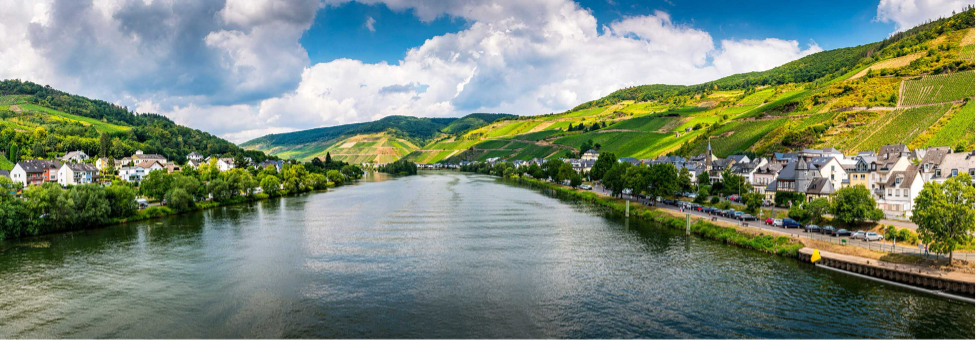 Moselle River Germany
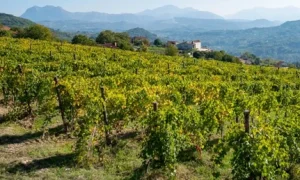
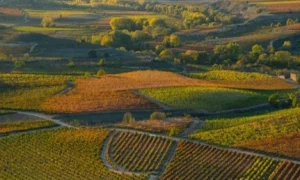
Running through Germany and the French region of Alsace, the Rhine and Moselle are the life force of Riesling, with 56,000 acres surrounding the rivers dedicated to the cultivation and production of the wine. One-third of Germany’s Riesling is grown here. The sun-soaked vineyards that cling to the slate hills create the ideal environment for cultivating light, naturally fruity Riesling.
The Moselle Valley was once an ocean, and during the Palaeozoic era, merging continents compacted the sea floor, creating slate. Slate substrate causes difficulty for most standard farming practices – however, these soils are perfect for cultivating wines, namely Riesling wine.
As the river sculpted the Rheingau Mountains, underlying rock became exposed to the valley. Eons of weather events later, including the ice age winds carrying vital minerals, the perfect environment for the Riesling vine came into existence. The geology combines perfectly with the region’s climate, allowing Riesling to thrive in the wind-sheltered slopes, mineral-rich soils, and temperate, elevated climes.
In Rheingau’s wine-producing town of Rüdesheim, the former Cistercian monastery of Eberbach Abbey stands in testament to Riesling’s rich past. Once home to the vastest vineyards of medieval Europe, it was here at Eberbach that late harvest wine, Spätlese, originated. Today, hundreds of the estate’s hectares remain dedicated to cultivating a contemporary Riesling steeped in tradition.
Today, the stunning Moselle River weaves through the spectacular landscape. In 125 towns, almost 5,000 winegrowers nurture their wines in a region of dramatic and challenging terrain. The Moselle Valley is home to some of the steepest vineyards in the world, and sharp inclines require most of the region’s wine to be picked by hand. The arduous picking process occurs on vertiginous slopes, with some sites built upon an astonishing 70-degree gradient. Since the majority of wine produced here remains in the region, it’s an ever-popular location among Riesling enthusiasts.
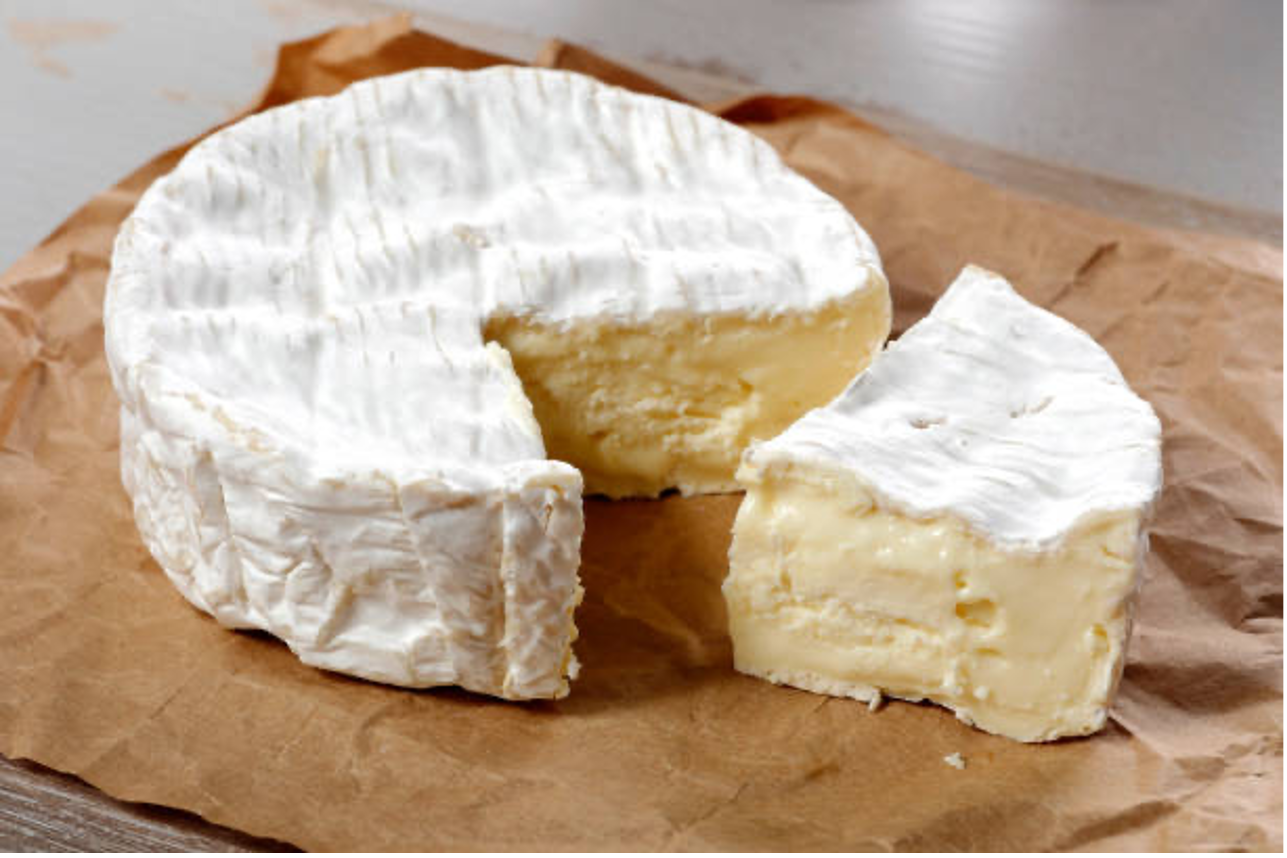
Dry Riesling
Pairs well with soft, creamy cheeses like brie and camembert
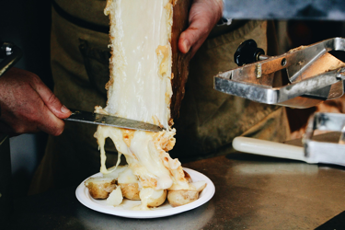
Semi-dry Riesling
A good match for semi-hard, medium-aged cheeses like asiago, Colby, fontina, RACLETTE
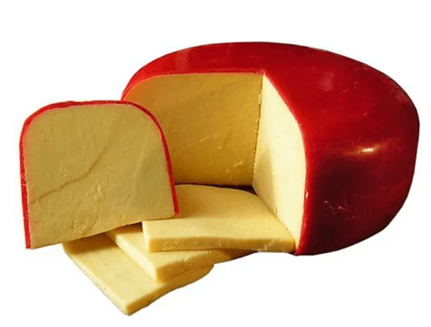
Sweet Riesling
Goes well with salty cheeses like Gorgonzola, Parmesan, and Gouda, as well as blue cheeses like Stilton and Roquefort.
Food Pairings
Salmon with Mustard and Fresh Orange
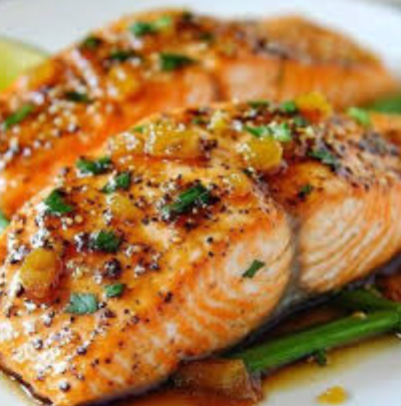
This recipe brings the piquant lift of fresh oranges to the beautiful silky flavors of salmon.
Make a glaze of dijon mustard, a bit of brown sugar or orange marmalade, dill, olive oil and salt and pepper. Spread this generously over the top of the salmon. Let it stand for about 15 minutes or so before cooking.
Sear off the filets in a saute pan with butter and olive oil. The cook time will depend on the thickness of the filet, but generally when you can easily shift the filet in the pan with a spatula, it is ready to go into the oven. Cook through – generally 8-12 minutes for medium rare, again depending on the thickness of the cut. Remove from the heat and drizzle freshly squeezed orange and lemon juice over the filets, and garnish with orange slices.