Valpolicella
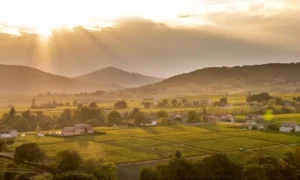
With the Alps as its upper frontier, Valpolicella spans about 95 square miles across western Veneto. From soft and approachable wines labeled with the broad Valpolicella Denominazione di Origine Controllata (DOC) to the rich and concentrated Amarone della Valpolicella Denominazione di Origine Controllata e Garantita (DOCG), there’s a style to suit every palate across a wide price range.
The main grapes used in the denominations of Valpolicella are Corvina, Corvinone, Rondinella and Molinara. Corvina serves as the dominant base for most higher-quality wines. Typically, Valpolicella’s wine is dry, fruity and juicy. It brims with red fruits and a trademark sour cherry note.
The best vineyard sites fall around the Classico zone, the traditional growing areas near the villages of Fumane, Marano and Negrar. The warmer, well-drained slopes often comprised of calcareous, volcanic and clay-rich soils, deliver Corvina of fuller body and flavor than fruit from the plains.
Valpolicella’s Four Styles of Wine
This area, more than any other Italian red, produces wines of style. That means the winemaker plays as much a role in the wine as terroir and fruit character.
The four key styles, from least to most intensity are: Valpolicella, Valpolicella Ripasso, Amarone della Valpolicella and Recioto della Valpolicella. All are predominately made with the same grapes (Corvina, Corvinone, Rondinella and Molinara) so it’s winemaking technique that distinguishes them.
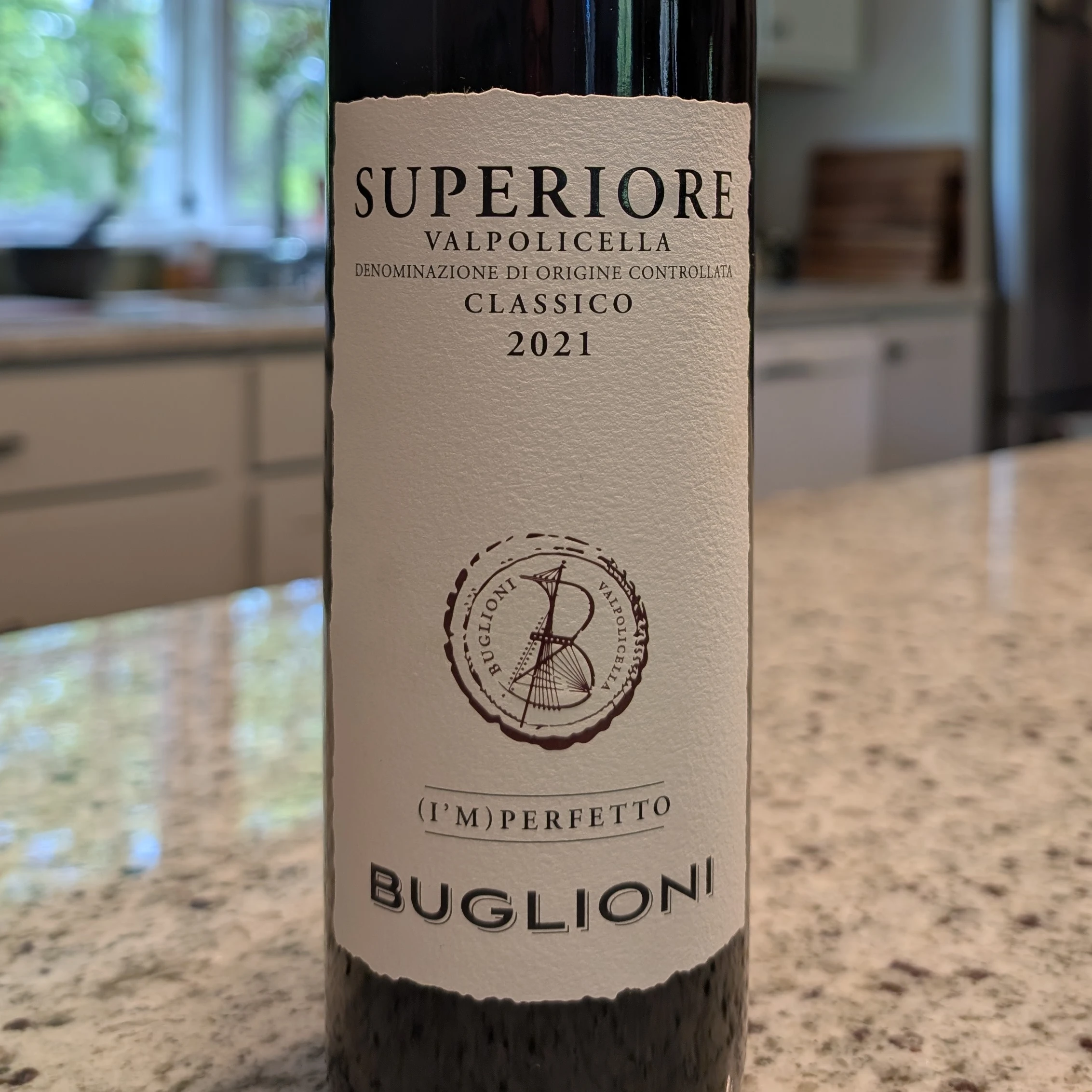
Valpolicella DOC leans fresh, quaffable and fruity. Because it tends to be light in profile, some winemakers employ techniques to achieve greater depth, complexity and richness.
Valpolicella Ripasso DOC
A more intense version of Valpolicella. Ripasso refers to the method of production, or “re-pass,” a category of wine awarded DOC status in 2010. First, winemakers ferment a basic Valpolicella DOC. Next, they start a second fermentation using the pomace of grape skins left over from Amarone and Recioto (see below). This method melds the soft and supple character of Valpolicella with the slightly bitter and raisin-like notes of Amarone and Recioto to forge a fuller, deeper wine.
Amarone della Valpolicella DOCG
This style became an international phenomenon in the 1990s. The name Amarone means “big bitter,” yet despite this moniker, consumer reaction to this bold wine has made it a global success. At its best, Amarone shows beguiling concentration and structure balanced by plushness and elegance. Flavors of dark berries, cocoa and raisin are a result of the winemaking style. Amarone is made with grapes that are dried on mats or hung from rafters for weeks or months after harvest. This process, called appassimento, concentrates the flavors and sugars. The shriveled grapes are then fermented to dryness, which results in a big, rich wine with robust alcohol levels that can near 17% alcohol by volume (abv).
Recioto della Valpolicella DOCG
A passito-style dessert wine made from dried grapes. While similar to the process for Amarone, the fruit for these wines is dried for 100 to 200 days, further concentrating the flavors and sugar. The grapes are then vinified, but fermentation is stopped before all of the sugar converts to alcohol, which creates a sweet wine with bright natural acidity.
Bardolino
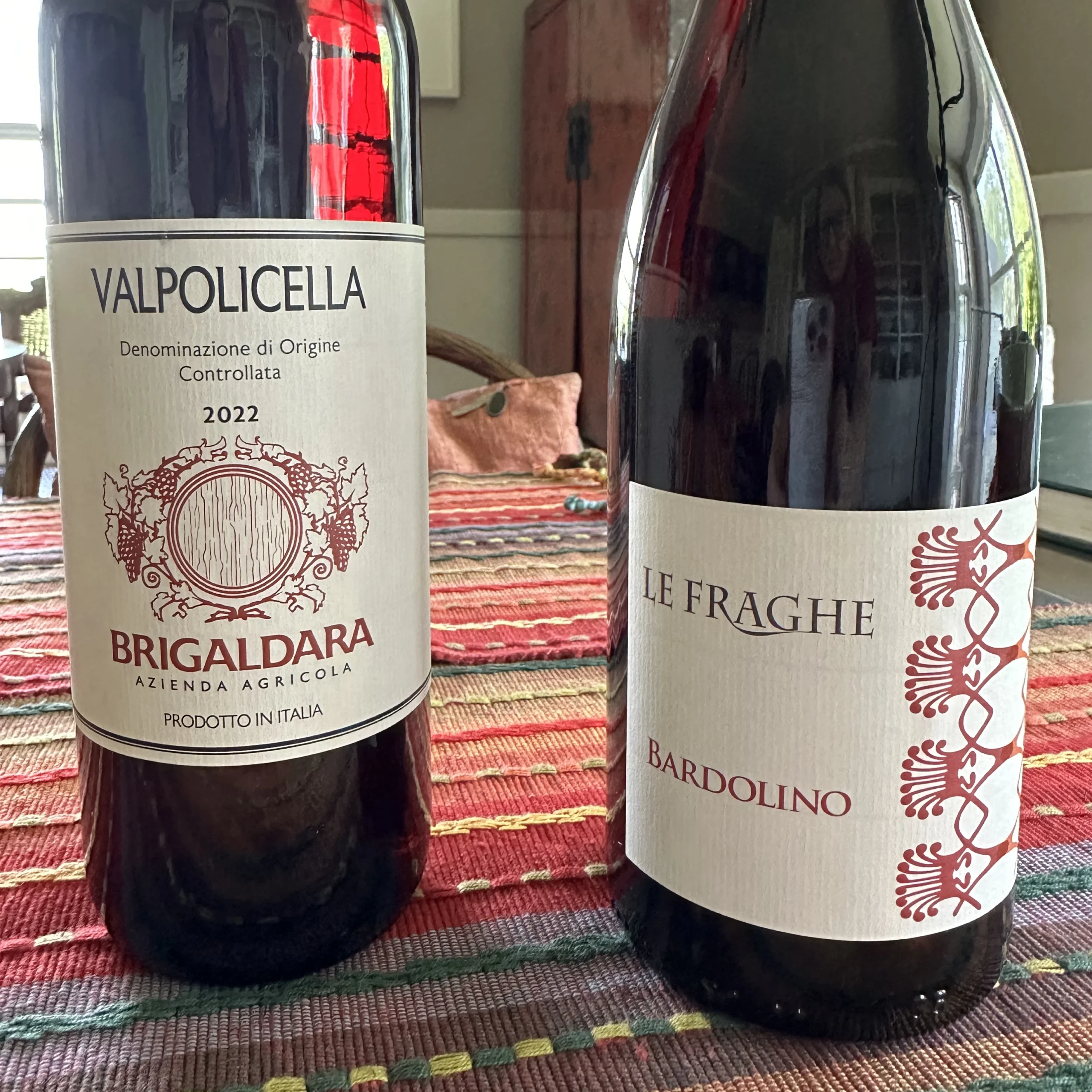
Set along the southeastern shores of Lake Garda, Bardolino is a heaven for wine grapes. Growing conditions are excellent, from bright sunshine to the temperature-moderating influence of the lake and fresh breezes that dry the rain. The region earned its status as a DOC in 1968.
Grapes used for this dry red overlap with those in Valpolicella, namely Corvina, Corvinone, Rondinella and Molinara. The wines are fruity and fragrant. Aromas of red cherry, black fruit and baking spice carry through to the palate, which has fine tannins, juicy acidity and a hint of saltiness.
Production is focused around a chain of hills with morainic soil, a fancy term for glacial debris. Bardolino Classico wines come from traditional growing areas on the hills, a boundary created to add a quality distinction from regular Bardolino that often hails from the plains. The DOC imposes more stringent production rules on Bardolino Classico wines than Bardolino.
Another quality tier was added in 2001: Bardolino Superiore DOCG. These wines must contain a minimum of 12% alcohol (against 10.5% for Bardolino DOC) and be aged at least one year before release. For the top wines of Bardolino, look for Bardolino Superiore Classico.
Northwest Veneto
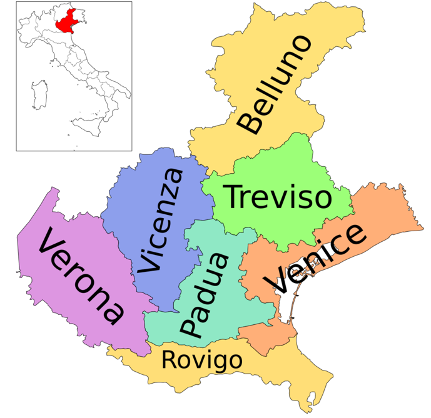
The Veneto region can be roughly split into three geographical areas, distinguished by their topography and geology. In the northwest the foothills of the Alps descend along the eastern edge of Lake Garda, their path mirrored by the Adige river as it descends from the heights of Alto Adige.
Here in the cooler, alpine-influenced climate, fresh, crisp whites are made under the Bianco di Custoza and Garda titles, while refreshing, unassuming Bardolino from the shores of Lake Garda makes the case for Veneto’s lightest reds.
Just east of the lake and north of Verona is Valpolicella and its sub-region Valpantena; the fabled “Valley of Many Cellars” produces 500,000 hectoliters of fruity red wine each vintage. In terms of production volume, Valpolicella is the only DOC to rival Tuscany’s famous Chianti.
The indigenous red grape varieties Corvina, Corvinone and Rondinella have a long tradition of cultivation and they are the used in the production of famous Amarone, Valpolicella and Bardolino wines. A good Valpolicella is a ruby red in youth, then garnet red. It has a powerful body and is often described as velvety-harmonious.[2]
Immediately east of Valpolicella is Soave, home to the eponymous dry white wine that now ranks among Italy’s most famous products. Beyond that, Gambellara serves as an eastern extension of Soave, both geographically and stylistically. Garganega and Trebbiano are the key white wine grape varieties here.
Central Veneto
In central Veneto, around Vicenza and Padua, are the Colli Berici, Colli Euganei and Breganze. Varieties such as Merlot, Cabernet Sauvignon, Cabernet Franc, Pinot Noir and even Carmenere have proved successful here, as has northern Italy’s flagship white Pinot Grigio and Tocai Friulano.
Northeast Veneto
In the northeast corner of the region, on either side of the Piave river, sparkling Prosecco reigns supreme. Still wines are also made (Lison, Lison-Pramaggiore, Montello Asolo and Colli di Conegliano), but the Glera grape (typically known as Prosecco) and its spumante and semi-sparkling frizzante wines are common features across the northeast’s winemaking villages.