
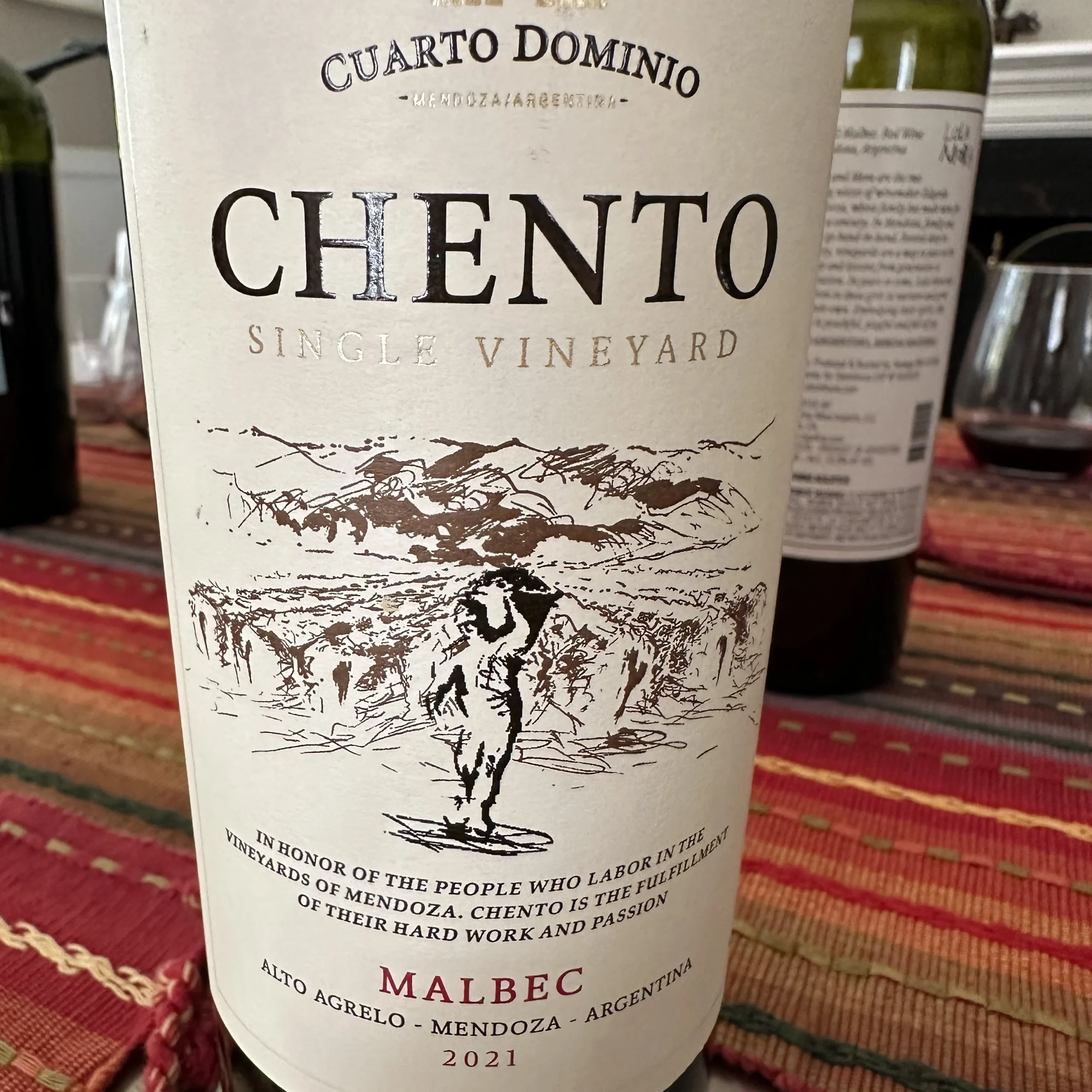
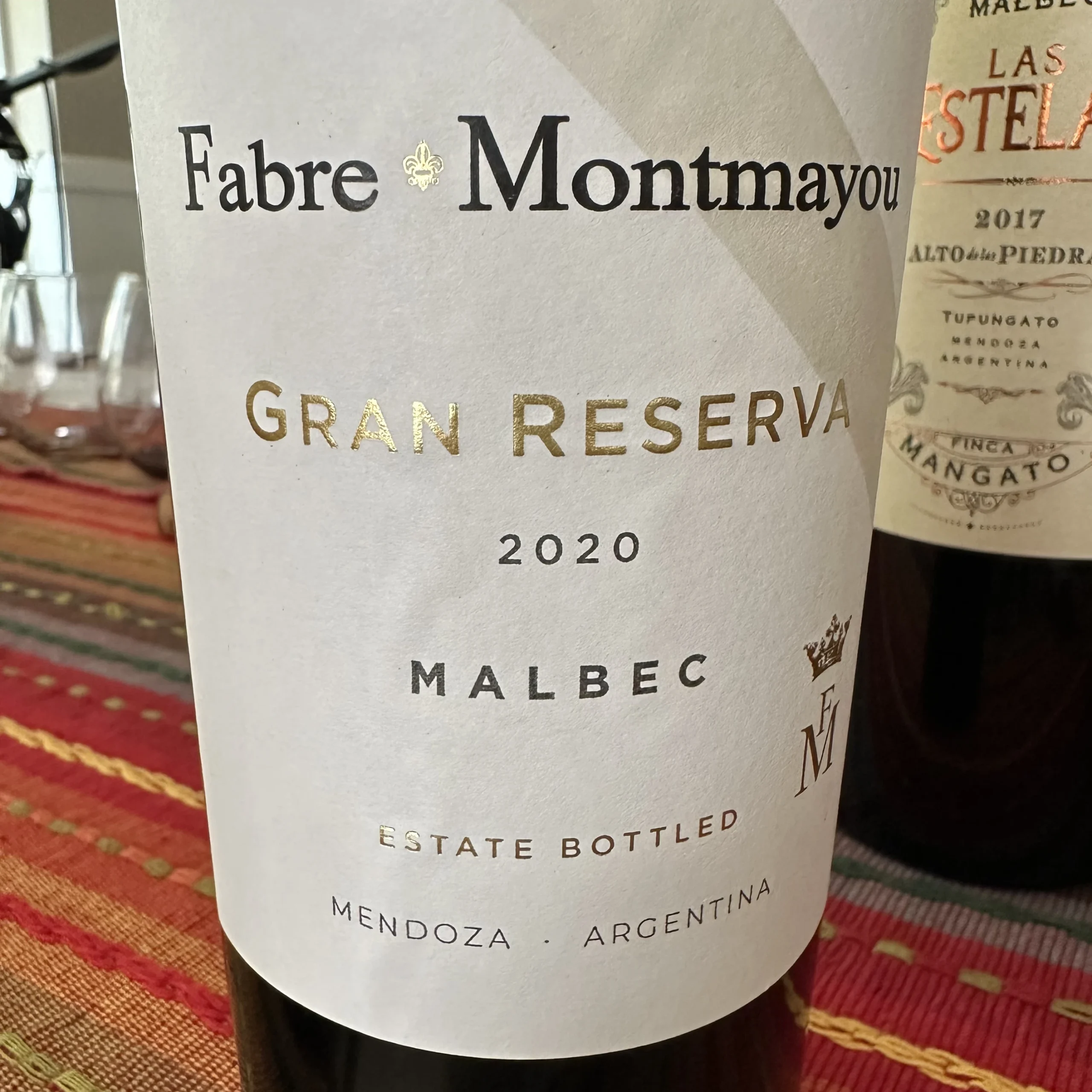

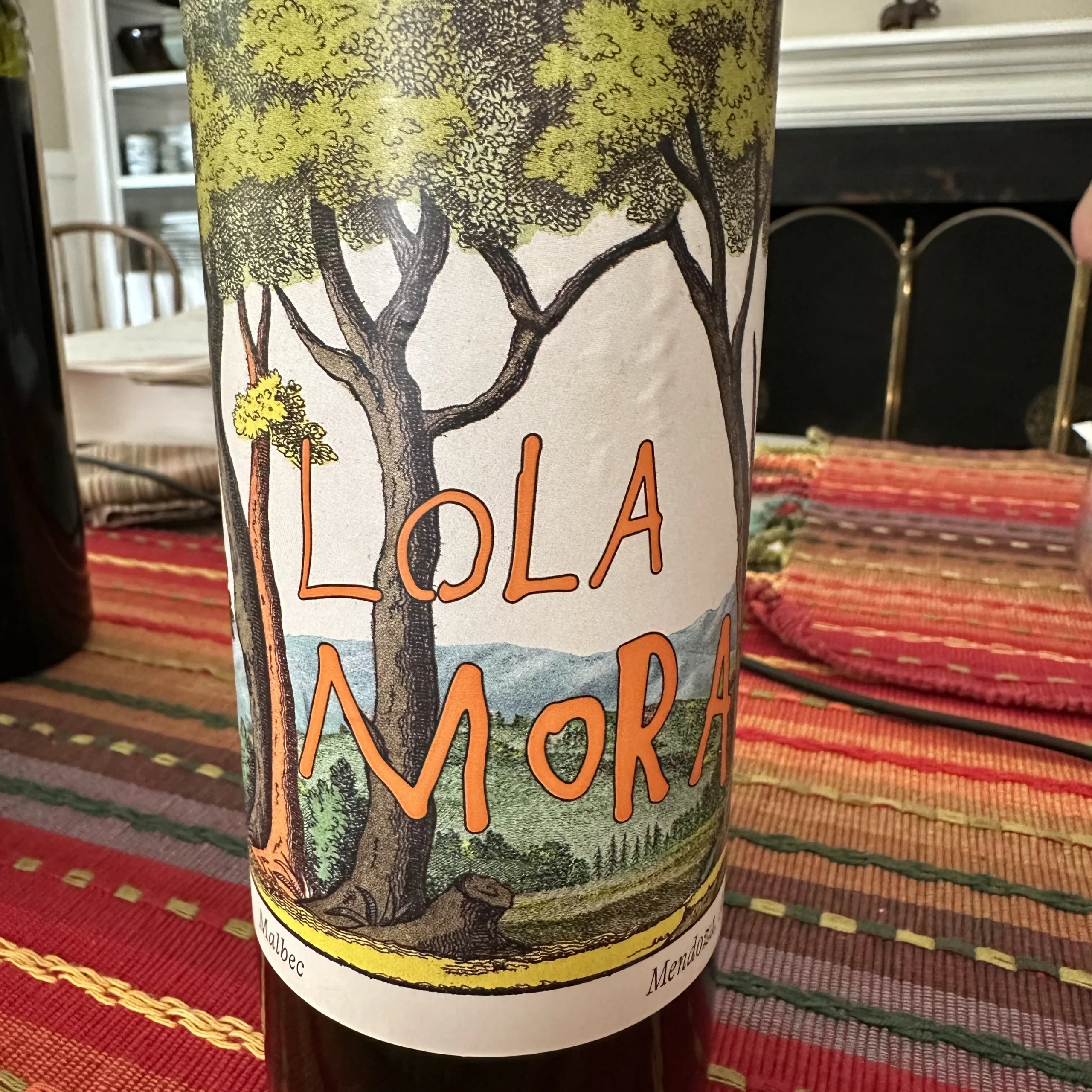

Over time, Argentinian Malbec adapted well to the unique terroir, particularly in high-altitude regions like Mendoza, and became the country’s most planted grape variety.
Early Introduction:
French agronomist Michel Pouget brought Malbec vines from France to Argentina in the mid-19th century.
Initial Use:
While Malbec was planted alongside other varieties, it initially contributed to blending and low-quality wines, not being a standout variety.
Adapting to the Terroir:
The high-altitude and warm climate of Argentina, especially in regions like Mendoza, proved ideal for Malbec, allowing it to thrive in a way it hadn’t in France.
Rise to Prominence:
Over the years, Argentinian Malbec gained recognition for its full-bodied, fruit-forward character, setting it apart from its French counterpart.
Malbec’sCurrent Status:
Today, Argentina is the world’s largest producer of Malbec, with the grape variety leading the country’s wine exports.
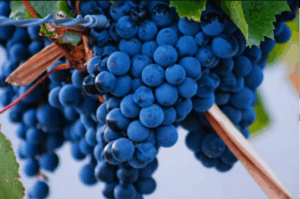 The grape is noted for producing darkly colored, tannic wines, with low acidity and some aging potential. According to wine expert Matt Kramer, well-made examples from favorable vintages can be inky-black, with “fjord-like depth of fruit” and soft, sweet tannins that are never astringent, unless the wine extracted too many tannins from prolong exposure to oak.
Although Malbec became internationally famous for its boom in Mendoza, Argentina, at the turn of the decade, Malbec’s story stretches much further back in history. In our guide to the history of Malbec, we explore French Malbec as well as Argentine Malbec, and how and why we celebrate Malbec Day.
“Of the European varieties, the intense black, liquorice lined Malbecs and ripe spicy Syrahs show the most potential for red wines. Italian immigration has brought in varieties such as Sangiovese and Barera, but their flavors traditionally have been fused together in blends. Malbec is undoubtedly the grape bests suited to the hot continental climate, producing wines which are packed with blackcurrants damsons and spice, nothing like the French counterpart. “ (Oz Clark)
HISTORY: Malbec’s French beginnings: Côt, the Black Wine of Cahors
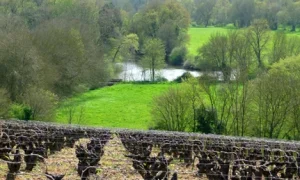
Malbec is a French variety that was widely planted throughout the Middle Ages in different regions in France, where it was so common that it had over 1,000 synonyms. Local growers would give Malbec a local name – Auxerrois, Pressac, Doux Noir, Quercy and Plant du Lot were just a few.
 In its heyday, Malbec was known as the ‘black wine’ of France and favored by Russian Tsars and French aristocracy. Eleanor of Aquitaine was rumored to be a fan of Malbec, opting to serve it at her lavish parties.
However, with time those names, that fame and those vines disappeared. Malbec was problematic, it was too sensitive to the wet and cold weather of much of France’s wine regions and was relegated to the bottom of the pile. When phylloxera swept across Europe, most growers never replanted Malbec – they opted for more hardy varieties instead.
In Bordeaux, where Malbec once had a stronghold, it has almost disappeared entirely. Malbec remains one of the official five red grapes of Bordeaux, but is, in fact, one of the least planted. Along with Carmenère, Malbec makes up less than 1% of Bordeaux’s red grape vineyards.
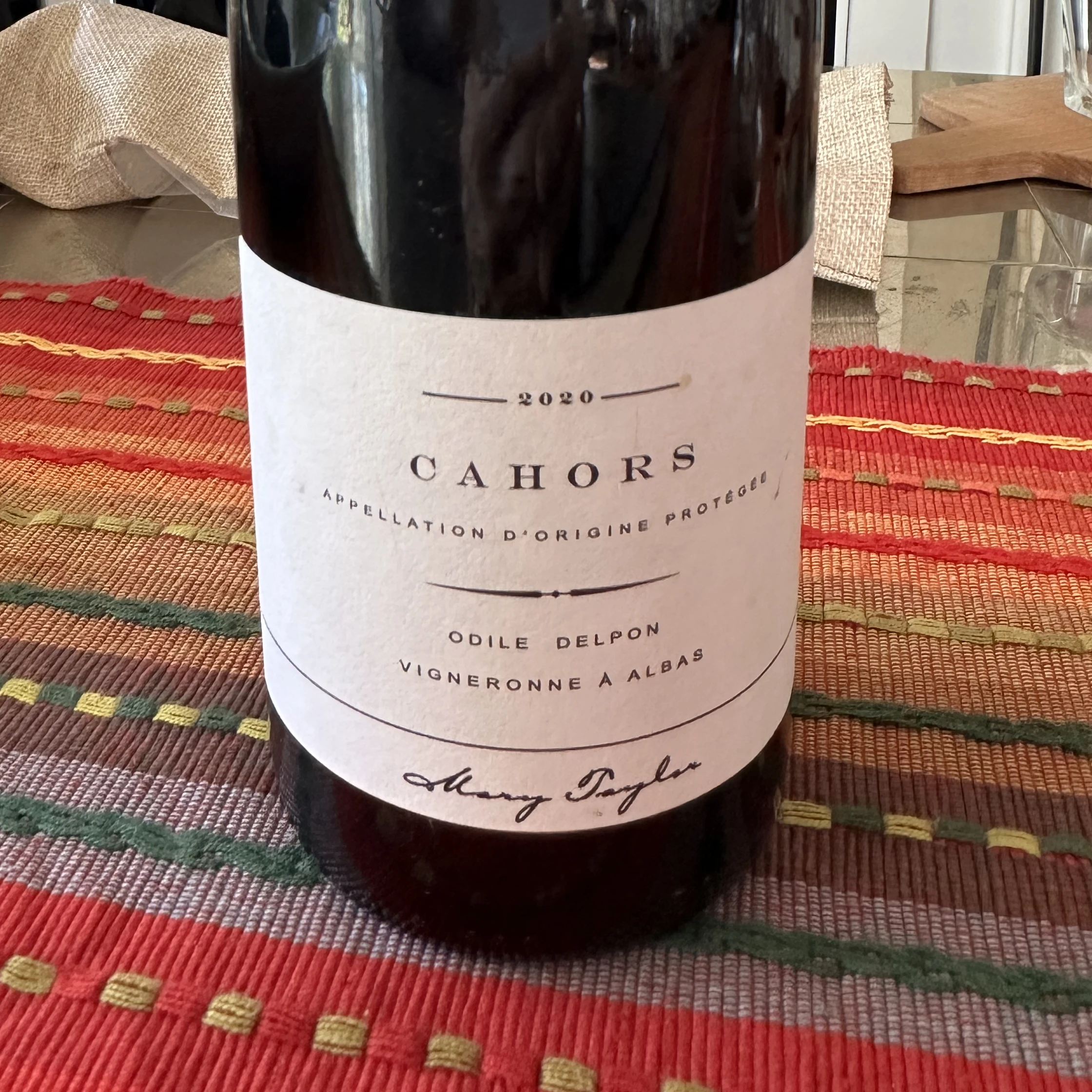
CAHORS: The only region that kept Malbec as its flagship variety was Cahors, where it went by the name of Côt. There, in South West France, Malbec remained King. Known for its particular character, Cahors wines were an incredibly dark colour with tight acidity; they were wines that required a few years to loosen up.
Bringing Malbec to South America:
When the Cot grape made its way to Argentina in the 1800s, it arrived in a new wine region with a new name – Malbec. Since then Malbec has become synonymous with Argentina. Its great success worldwide means that today the name ‘Malbec’ is far better known by most wine drinkers than its original moniker ‘Cot’. But does a Malbec by any other name smell so sweet? I interviewed French winemaker in Argentina, Francois Lurton, to get his opinion on the matter. As one of the few producers who make both Cot and Malbec in Mendoza, he could shed some light on the difference in the vineyard and the final wine.
Cot vs Malbec in the vineyard and bottle
According to Lurton’s hypothesis, when the original Cot vines were brought from France to Argentina (via Chile) they would have brought the best expression of the variety – the softest, richest and most expressive. While these cuttings continued to grow and reproduce in South America, the vines in France would have been wiped out by phylloxera. Lurton believes this is where the great difference began – the French were replanting with an inferior quality Cot, whereas Argentina became a treasure trove of these supreme cuttings. The vines in Argentina also began to adapt to the warmer and sunnier conditions, which has an impact as the masal selections would pick those vines that thrived in the new climate.
In the vineyard, Cot is higher yielding, with larger berries and harsher tannins. Whereas Malbec has smaller berries but results in wines with sweeter tannins and a red fruit expression. Tasting through samples of both grape varieties with Lurton the difference is notable, the Malbec wine is softer with a plushness of fruit whereas the Cot feels a bit greener and leaner but has a more refreshing acidity. Lurton likes to have both in his blends for the different dimensions they offer to the wine.
Pioneers in Malbec:
If it weren’t for Domingo Faustino Sarmiento or French agronomist Michel (or Miguel) Pouget, Malbec’s story may have ended in Cahors. But a new chapter was written as a French ampelographer (Pouget) and his French colleagues brought Malbec cuttings to the continent, first to Chile and then under the proposal of Argentine governor, Sarmiento, to Argentina. These Malbec cuttings gave seed to the story of Chilean Malbec and of Malbec in Argentina.
The 17th April 1853 is the day Sarmiento legally founded his research centre to bring international varieties to Argentina, and so this is the anniversary that has been used to mark the arrival of Malbec in Argentina — Malbec Day, or Malbec World Day. (Although Malbec undoubtedly arrived sometime shortly after in the hand of Pouget who was arriving from Chile.)
How Malbec became Argentina’s champion grape, twice
It didn’t take long for Malbec to thrive in Mendoza. The warm, sunny climate meant it had none of its usual problems with rot and frost, and the variety produced full and ripe wines, quickly spreading across most of Argentina’s wine regions. In just over a century, the population of Malbec in Argentina had boomed to over 58,600 hectares (recorded in 1962) — making it Argentina’s most-planted variety.
However, during the following years of crisis, most of those old Malbec vines were torn out, and replaced by other varieties. Between 1962 and 1995, over 80% of Argentina’s Malbec vineyards were pulled out. By 1995, there were less than 9,750 hectares of Malbec vines left and it was fast disappearing.
But Malbec’s story doesn’t end there. Although Malbec was losing prominence to other varieties like Cabernet Sauvignon and Chardonnay during the 90s, some vintners kept faith in their Malbec vines and started to make wines that gained international recognition.
As the reputation of Malbec grew abroad, producers started replanting it domestically. And the vineyards began growing in number once again. Within 20 years, Malbec plantations had tripled and, once again, Malbec became Argentina’s most planted grape variety — with over 44,000 hectares planted today. One in five vines in Argentina are, in fact, Malbec.
Today Malbec is the champion of Argentine wine — it that Argentina on an international stage, famous worldwide for its Malbec wine. With 85% of the world’s Malbec, Argentina is the greatest advocate of the variety and has explored its many different faces across the different terrains of the wine regions.
Argentine Malbec today ranges from the rich and complex Malbec of Maipu’s older vines, through to the cool, floral notes found in the rocky higher lands of the Uco Valley, and the dark, spicy Malbec with spiky acidity found in the high altitude vineyards of Salta. There is a multitude of expressions of Malbec in Argentina that would take you a lifetime to discover.
Malbec beyond Argentina
Other modern Malbecs of the world includes now Cahors in France which continues to produce Côt (although many now market it as Malbec); however, Chile is, in fact, the second-largest producer of Malbec with over 2,300 hectares.
Malbec vines have been planted around the port of Concepcion in Chile for centuries and you’ll find very old vines of Malbec in Itata, Maule and Bío Bío in particular. There are also new plantings of Malbec in valleys as diverse as Colchagua, Elquí and Casablanca. Malbec is also grown, to a much lesser extent, in Uruguay, Brazil, Peru and Bolivia.
Joining the New World Malbec party are wine regions in the USA, Australia, South Africa, Canada and New Zealand, each with growing plantations of this variety, which has well and truly established itself as a world favorite.
Climate
Mendoza’s terroir is characterized by a high-altitude, continental climate with significant temperature swings, and alluvial soils rich in sand, gravel, and limestone. The region’s vineyards are at the foot of the Andes, with increasing elevation leading to cooler temperatures, which is crucial for ripening grapes like Malbec. This unique combination, along with the Andes’ influence on climate and soil, results in the region’s distinct wine styles.
- High Altitude: Mendoza’s vineyards thrive at high altitudes, with some reaching 3,000-3,900 feet above sea level.
- Continental Climate: The region experiences a continental climate with hot, dry days and cool nights, leading to slow, steady fruit ripening.
- Alluvial Soils are primarily alluvial, composed of sand, gravel, and limestone, which promote excellent drainage and allow for deep root penetration.
- Andes Mountains The proximity to the Andes influences both climate and soil, creating a unique environment for grape cultivation.
Vineyards in the foothills of the Andes mountains
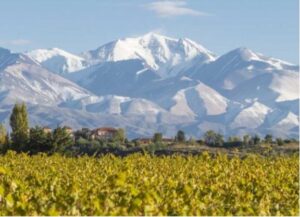
The center of Argentina’s wine industry has always been Mendoza, near the Chilean border, west of Buenos Aires. The mesmerizing landscape, an oasis of green vineyards flanked by the snow-capped Andes, encompasses a complex and diverse region with several important subzones and individual climats (vineyard sites) that have earned their own appellations. Today, there are approximately 146,000 hectares under vine, with over 880 estates producing wine. In every sense of the word, this is Argentina’s wine capital, a region rich in unique terroirs and subregions.
It is also a very heterogeneous vineyard: Mendoza has several distinct terroirs and subregions, including Luján de Cuyo and Maipu. Located in central Mendoza, they are easily accessible from the city itself—Maipu is on its southern doorstep. A combination of old vines, gravelly soils (especially in Maipu), and intense sunlight yields some of the country’s best wines: powerfully structured reds and super-elegant dry whites.
Climate and Soil Diversity Impacting Viticulture
Moreover, while new plantings are on rootstocks (phylloxera is not absent from Argentine vineyards), vineyard diseases are relatively uncommon due to the hot, dry climate. However, a great deal of Mendoza’s terroir is based on alluvial soils, with quite a high proportion of sand in many areas.
These free-draining terroirs can produce very fruity and attractive reds, although it is noticeable that Burgundy varieties tend to excel when there is clay-limestone in the substratum. Due to the stony topsoils and hot growing season, Cabernet Sauvignon and Cabernet Franc find a natural home in Maipu.
Meanwhile, not every grower focuses on premium quality. East and north of Mendoza, sandy terrain and sweltering heat, where the cooling influence of the Andes is largely negated, produce gallons of alcoholic dross, serving as the mainstay of supermarket private labels and distillate. At the same time, quality is improving, and an emerging generation of growers are realizing that there is a shrinking global market for bad wine.
Nevertheless, most of the region’s top labels rely on low-yielding vines planted at high elevations—this focus on high-altitude viticulture unifies Argentina’s premium winemakers.
Indeed, the altitudes at which Mendoza’s vineyards flourish would be unthinkably high in Europe. For example, the average elevation of Maipu vineyards is 800 meters above sea level. At this height, overnight temperatures are regularly low enough to give an attractive combination of potent flavors, good freshness, and acidity. That being said, the fearsome hot, dry wind from the northeast, called La Zonda, poses a real liability, particularly during flowering.
Conditions here are far from perfect, and the weather is unpredictable. Winters are cold at these high altitudes, but spring frosts can present a real danger during bud burst. Moreover, even in this seemingly arid landscape, it has a nasty tendency to hail, which can devastate an entire year’s crop. As a result, some growers have invested in special hail nets, which can also usefully reduce the risk of sunburn in Argentina’s powerful and abundant sunlight.
Leading Wineries
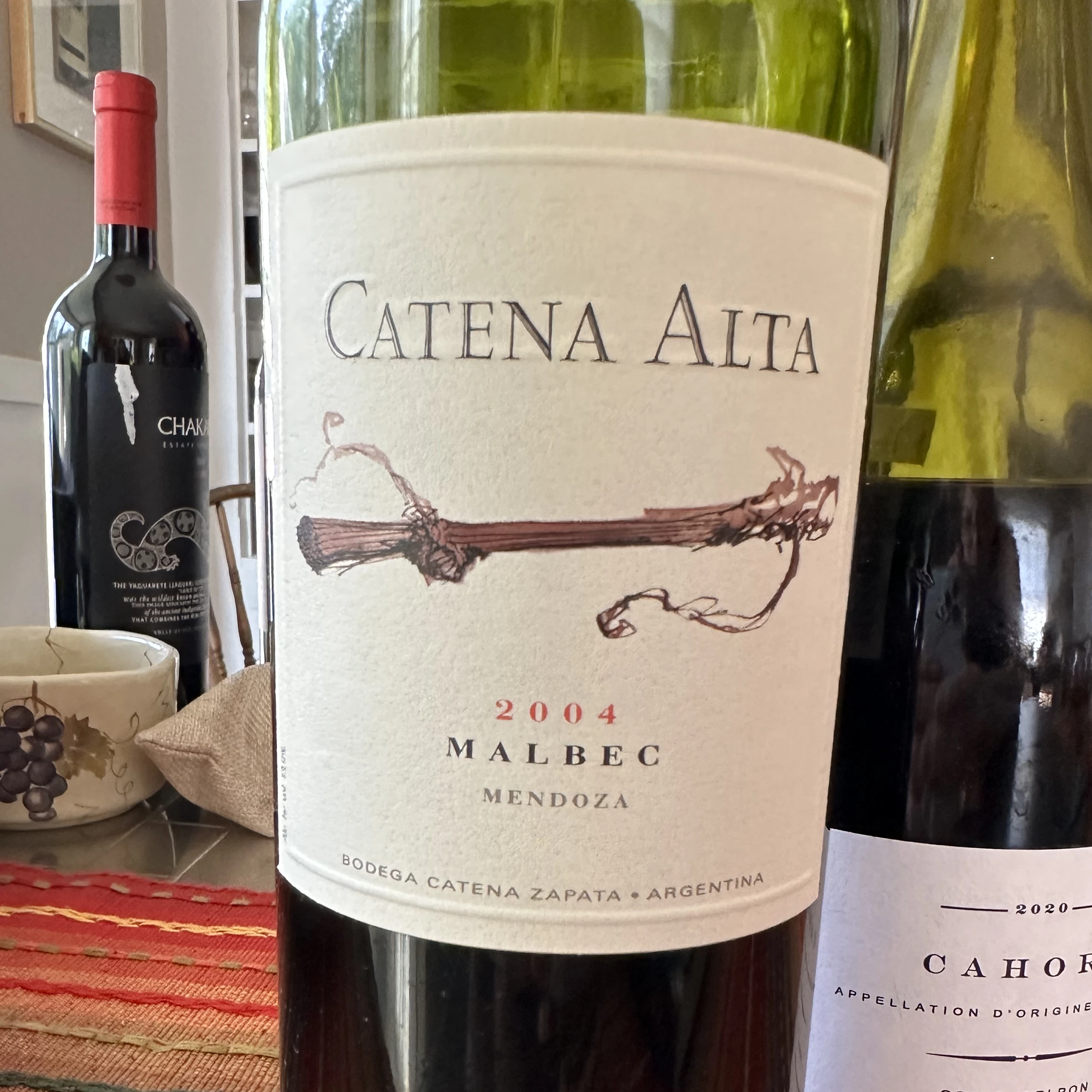
Some of the country’s leading wineries are based here, including Pulenta, Luigi Bosca, Catena Zapata, and Trapiche. One of its most impressive labels, Trapiche Melodias, uses hand-harvested Malbec fruit that is destemmed and crushed before fermentation. A fairly lengthy vinification and maceration will then follow (about 25 days), extracting good amounts of color, tannin, and fruit from the berries. Maturation in wood will then take place for nine months in a mix of French and American oak barrels.
Mendoza Malbec: A Benchmark of Quality and Elegance
The result is a poster child for Mendoza Malbec. Due to abundant sunlight and high elevation, rich concentration is usually balanced by invigorating freshness – a hallmark of Argentine wine. Lesser examples from low-lying areas can be a jammy concoction of ripe fruit; however, the best labels, such as the single-vineyard expressions made by Catena Zapata, merge intensity and elegance. Plum, cassis, and black cherry on the nose lead into a rich and supple palate, revealing intense mocha, damson, and vanilla notes. The texture, meanwhile, is pure velvet: suave and elegant. It is rare to encounter astringent tannin and undernourished fruit in the vineyards of Mendoza.
That is also true of the excellent Cabernet Sauvignon, Cabernet Franc, and Syrah that thrive in the well-drained gravel soils of Maipu. The Uco Valley, too, is producing some very impressive Rhone imitations – La Cayetana Syrah is a standout example of the grape’s potential. It is made by Emilia Soler, a rising star in Uco Valley winemaking.
Using old parcels of Syrah vines planted at 1100m above sea level, Soler vinifies the must in French barrique for a month, using a mixture of crushed grapes and whole bunches. Maturation in barrel for 12 months (and an additional eight months in bottle) yields a stylish red, bursting with aromas of black olive, black pepper, and blackberry – more Côte-Rôtie than Hermitage.
The wine is something of an Argentine game changer; it signals that the new generation of producers is keen to explore new varieties and move away from the voluptuous Malbec cliché. On a similar theme, does anyone think of crisp, dry whites when they think of Mendoza? They should: high-altitude vineyards yield Sauvignon Blancs of breathtaking intensity and freshness, reminiscent of Marlborough Sauvignon. The best Torrontes is likewise excellent: super-pungent and elegant at the same time.
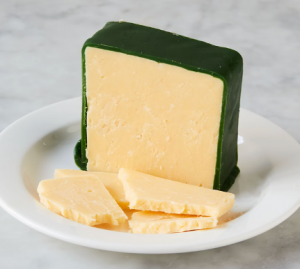
Cheddar

Manchego
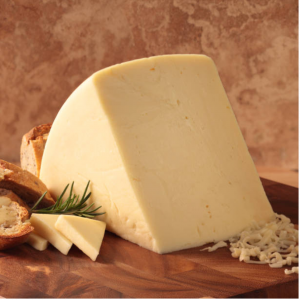
Asiago
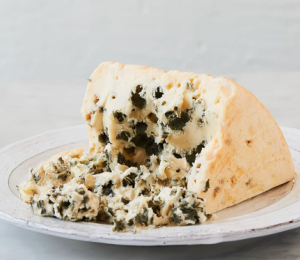
Roquefort
Food Pairings
Argentinian Asado Barbeque
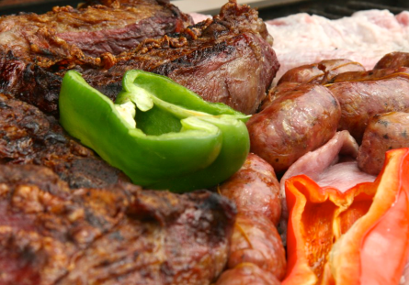
This dish is a celebration of Argentine cuisine, using a variety of meat cuts all of which are cooked on a grill over an open flame. There is not a great deal of preparation to the meat prior to grilling, other than olive oil, salt and pepper, and perhaps some ground chilis for added heat.
From your local butcher, select out flank steak, beef rib rack, chirizo sausage, pork ribs – whatever looks good. But the mix of meat is what makes the Asado a special occasion for gathering friends and family.
Stir in the onions and greens, add more olive oil as needed, and season to taste.
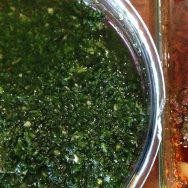
The real key to the Asado are the side offerings, the queen of which is chimichurri:
Parsley, oregano, fresh garlic, olive oil, red wine vinegar, red pepper flakes, salt and pepper. Finely chop all dry ingredients and combine with the liquids and let stand for an hour or so to allow the flavors to blend.