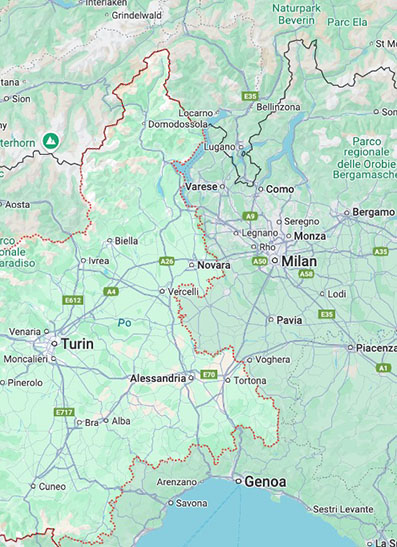
Climate and Geography
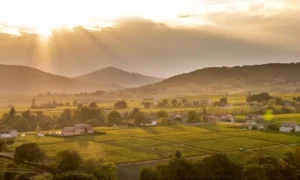
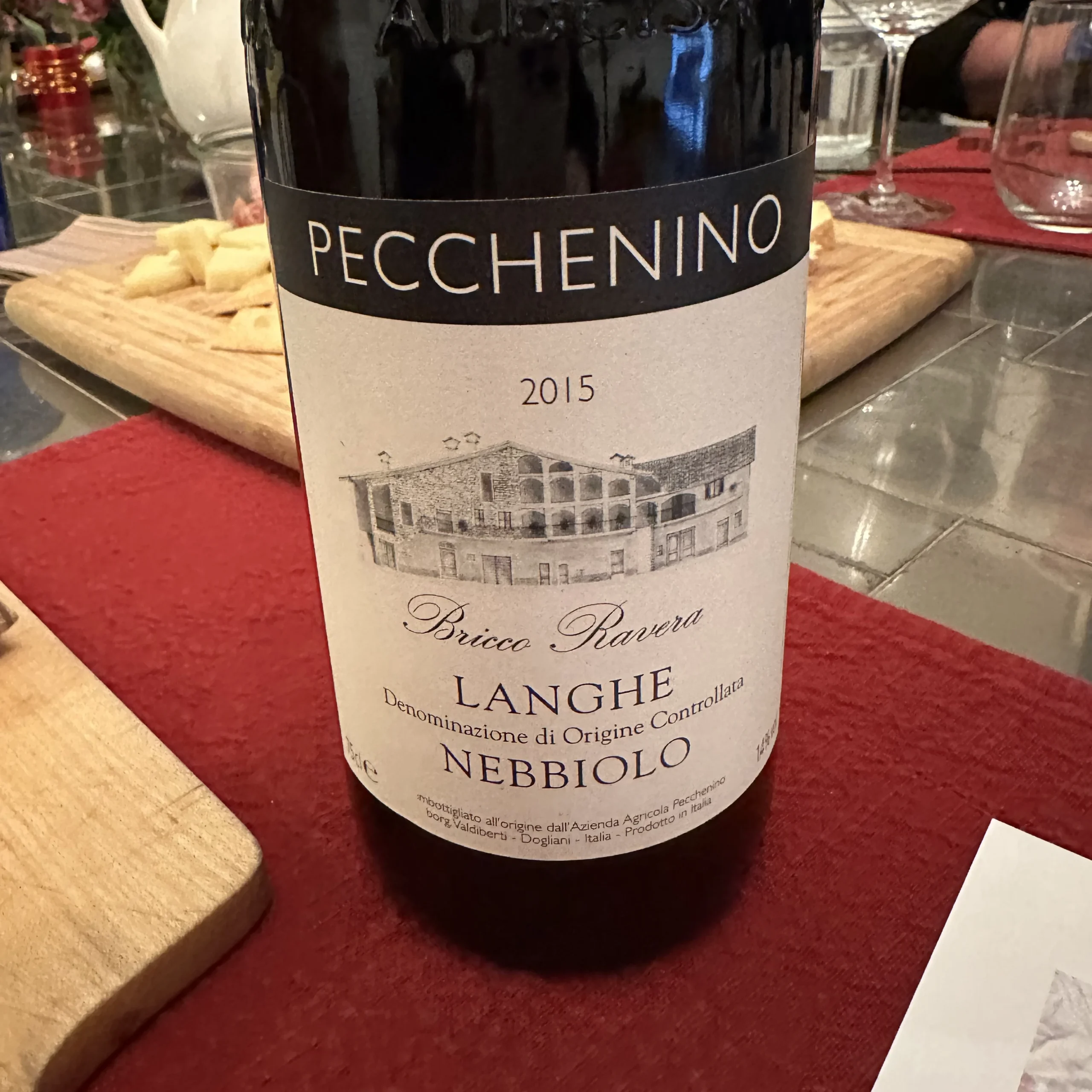
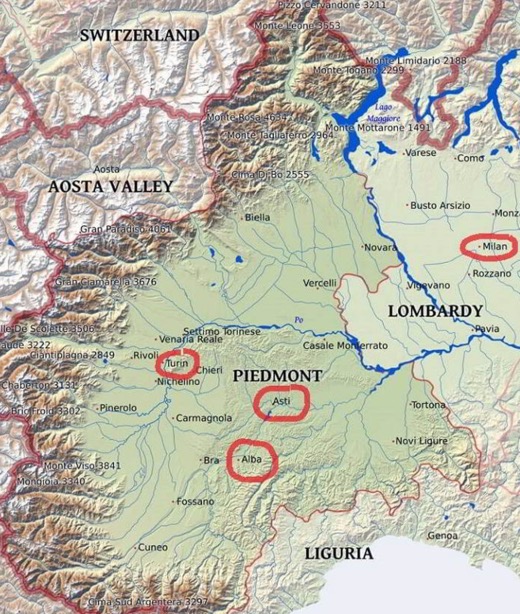
The Piedmont region is located in the foothills of the Alps forming its border with France and Switzerland. To the northwest is the Valle d’Aosta, to the east is the province of Lombardy with the Liguria region forming its southern border along the Apennines. In addition to the vast mountainous terrain, the Po Valley consumes a large area of available land-leaving only 30% of the region suitable for vineyard plantings. The valley and the mountains do contribute to the area’s noted fog cover which aides in the ripening of the Nebbiolo (“Nebieu”) grape (which gets its name from the Piedmontese word nebia meaning “fog”).[2]
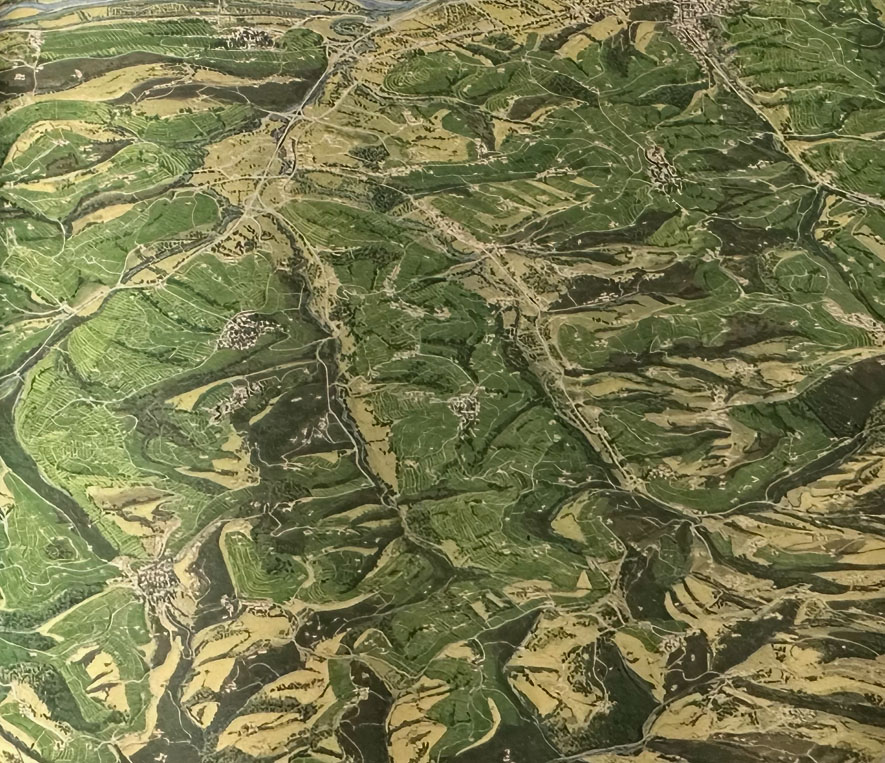
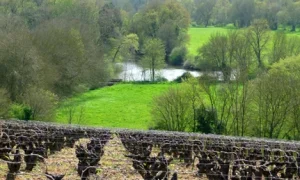
Although the winemaking regions of the Piedmont and Bordeaux are very close in latitude, only the summertime temperatures are similar: the Piedmont wine region has a colder, continental winter climate, and significantly lower rainfall due to the rain shadow effect of the Alps.[3][4] Vineyards are typically planted on hillsides altitudes between 490–1150 ft (150-400 metre). The warmer south facing slopes are mainly used for Nebbiolo or Barbera while the cooler sites are planted with Dolcetto or Moscato.
The majority of the region’s winemaking (about 90%) takes place in the southern part of Piedmont around the towns of Alba (in Cuneo), Asti and Alessandria.[2] The Piemonte wine region is divided into five broad zones.[5]
- Canavese– includes the areas around Turin such as Carema and Caluso
- Colline Novaresi– in the province of Novara
- Coste della Sesia– includes the area around Vercelli
- Langhe– includes the hill country around the city of Alba and the Roero.
- Monferrato– includes the areas around Asti and Alessandria
The 19 DOCG wines in Piedmont are:
- Alta Langa
- Asti
- Barbaresco
- Barbera d’Asti
- Barbera del Monferrato Superiore
- Barolo
- Brachetto d’Acqui, also called Acqui
- Ruchè di Castagnole Monferrato
- Canelli
- Cortese di Gavi, also simply called Gavi
- Dolcetto di Dogliani Superiore, also simply called Dogliani
- Dolcetto di Ovada Superiore, also simply called Ovada
- Dolcetto di Diano d’Alba, also simply called Diano d’Alba
- Erbaluce di Caluso, also simply called Caluso
- Gattinara
- Ghemme
- Nizza
- Roero, and Roero Arneis
- Terre Alfieri
Barbera is the most widely planted grape in the region, but Nebbiolo and Dolcetto account for a significant portion of the area’s red wine production as well. With white wines, Moscato is the most prominent with its sparkling and frizzante style wines. Other notable white wines include styles made from the Cortese grape in Gavi as well as blends of Cortese with Arneis and Favorita from Colli Tortonesi and Alto Monferrato. Since the 1980s there has been growing numbers of experimental plantings with the international varieties of Cabernet Sauvignon, Chardonnay, Merlot, Pinot noir, Sauvignon blanc and Syrah.[5] Other local or indigenous grapes include Baratuciat, Bonarda, Croatina, Erbaluce, Freisa, Gamba di Pernice, Grignolino, Grisa nera, Malvasia nera, Pelaverga, Plassa, Rossese bianco, Timorasso, Uvalino, Uva Rara and Vespolina.[2][8][9]
The Piedmont produces more DOCG wines by volume than any other Italian wine region with nearly 84% of all the areas wine production falling under a DOCG designation. The area has no indicazione geografica tipica (IGT) classification, in contrast to Tuscany where IGT wines or Super Tuscans make up a significant portion of that region’s wine production.[2]
Some varietal style wines are made in the Piedmont region with the name of the grape and town both appearing on the label. Some DOC examples include Barbera d’Alba, Barbera d’Asti, and Dolcetto di Dogliani made entirely from the Barbera and Dolcetto grape respectively.[10]
Barolo
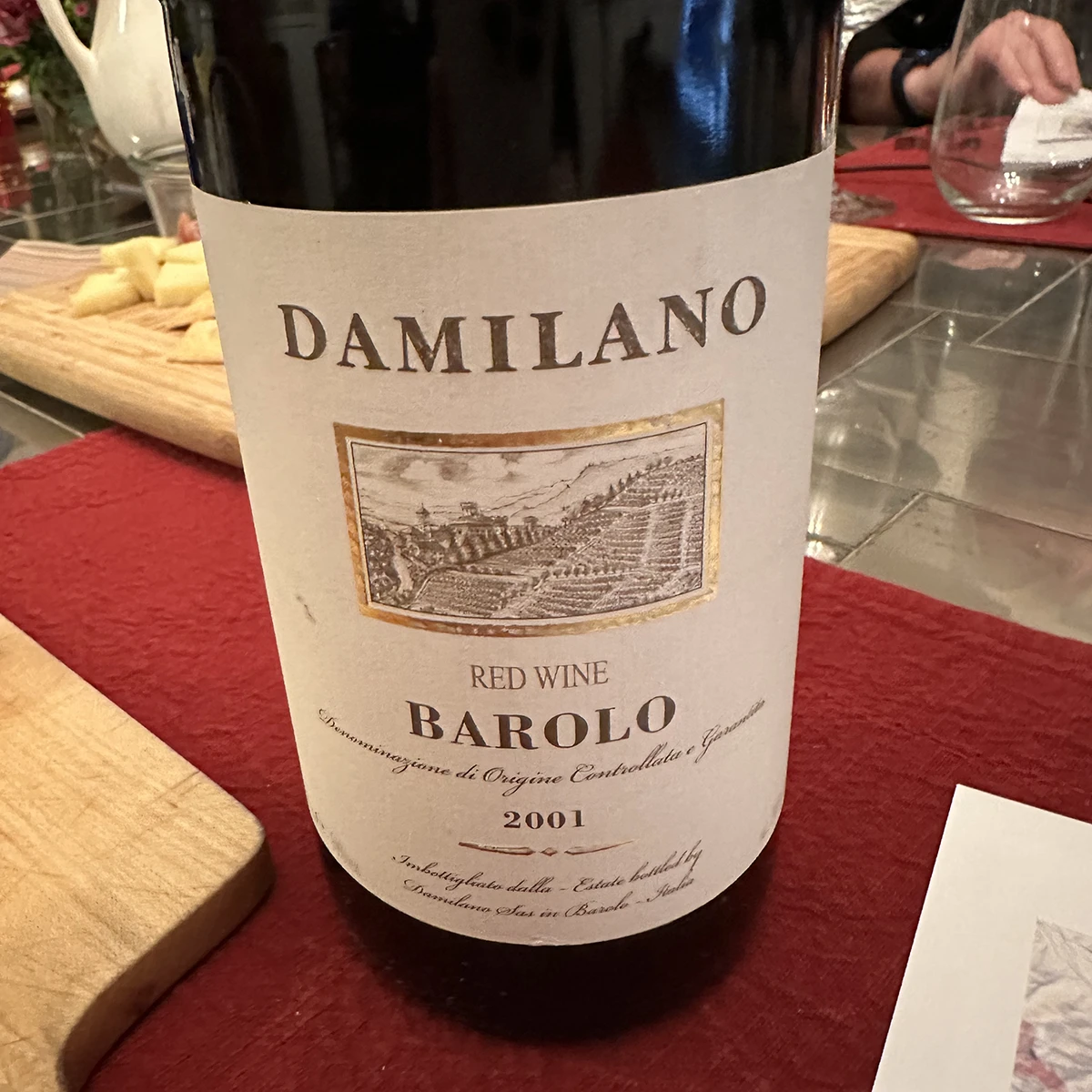
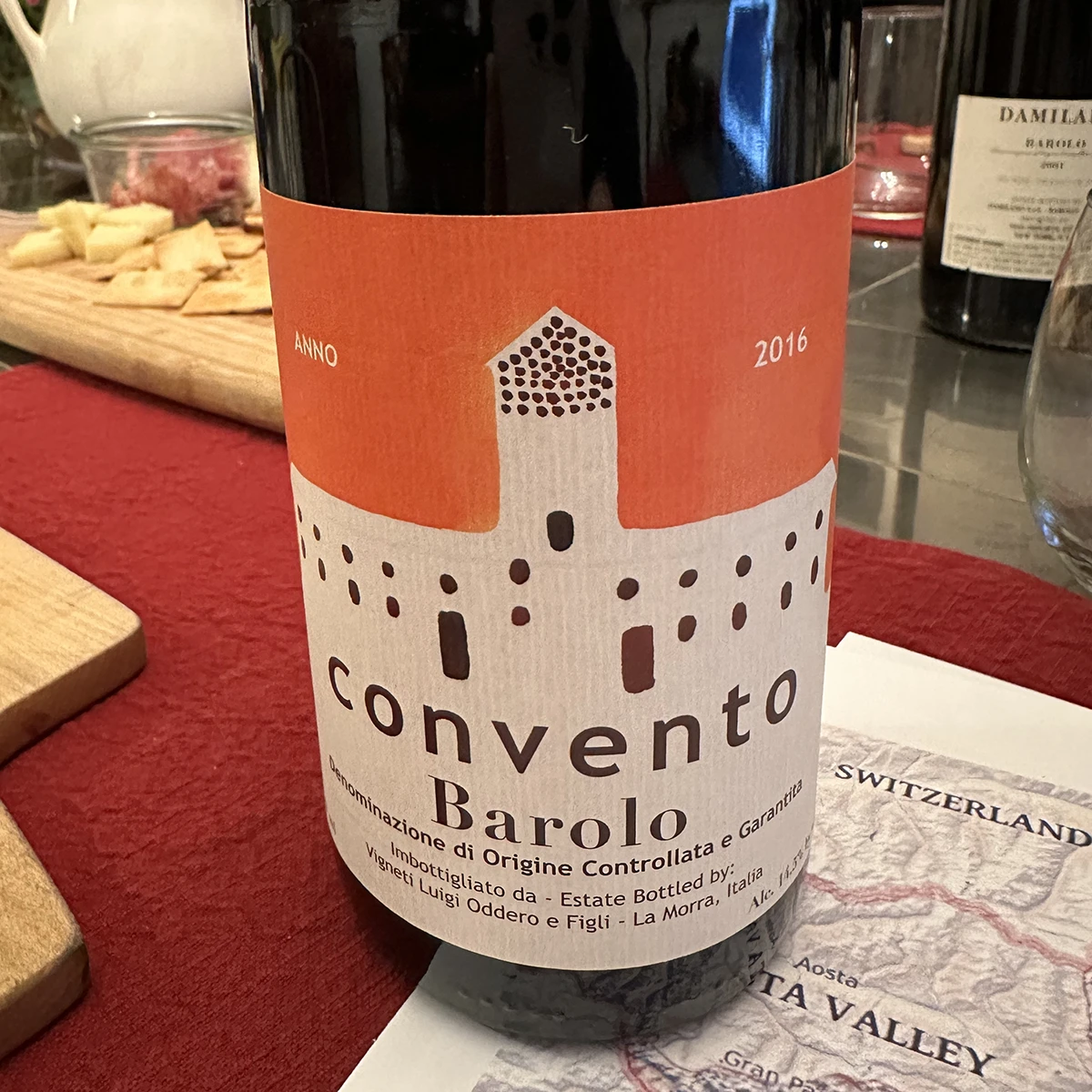
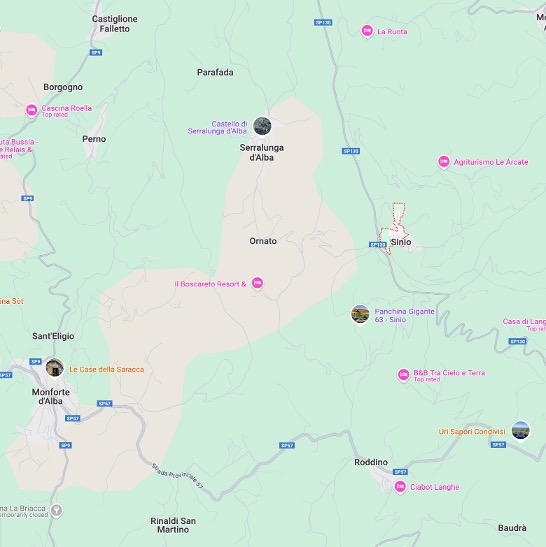
In 1980, the wines of the Barolo region became one of the first Italian wines to receive DOCG status. Produced to the southwest of the town of Alba in the hills of the Langhe, Barolo is a big, tannic expression of the Nebbiolo grape. The soil of this area is a composition of clay and marl which helps to lessen the naturally high acidity of Nebbiolo. The Tanaro river flows through the heart of Barolo country and serves as a tempering influence on the region’s summertime heat till harvest time in late October/mid November. A small wine region, extending over 7 miles in length and 5 miles at its widest point, Barolo produces about 500,000 cases of wine annually. Nearly 87% of the zone productions comes from vineyards in five communities:[11] Barolo, Castiglione Falletto, La Morra, Monforte d’Alba, and Serralunga d’Alba. Wines from the Central Valley of La Morra and Barolo tend to be very perfumed and velvety with less tannins than other Barolos. The soil of the Central Valley itself is more clay based with increased levels of magnesium oxide and manganese. The wines from the Serralunga Valley are more full bodied and tannic and require aging of 12–15 years before they hit their peak.[citation needed] The soil of the Serralunga is heavy in sand, iron, limestone, phosphorus and potassium.[11]
Barbaresco
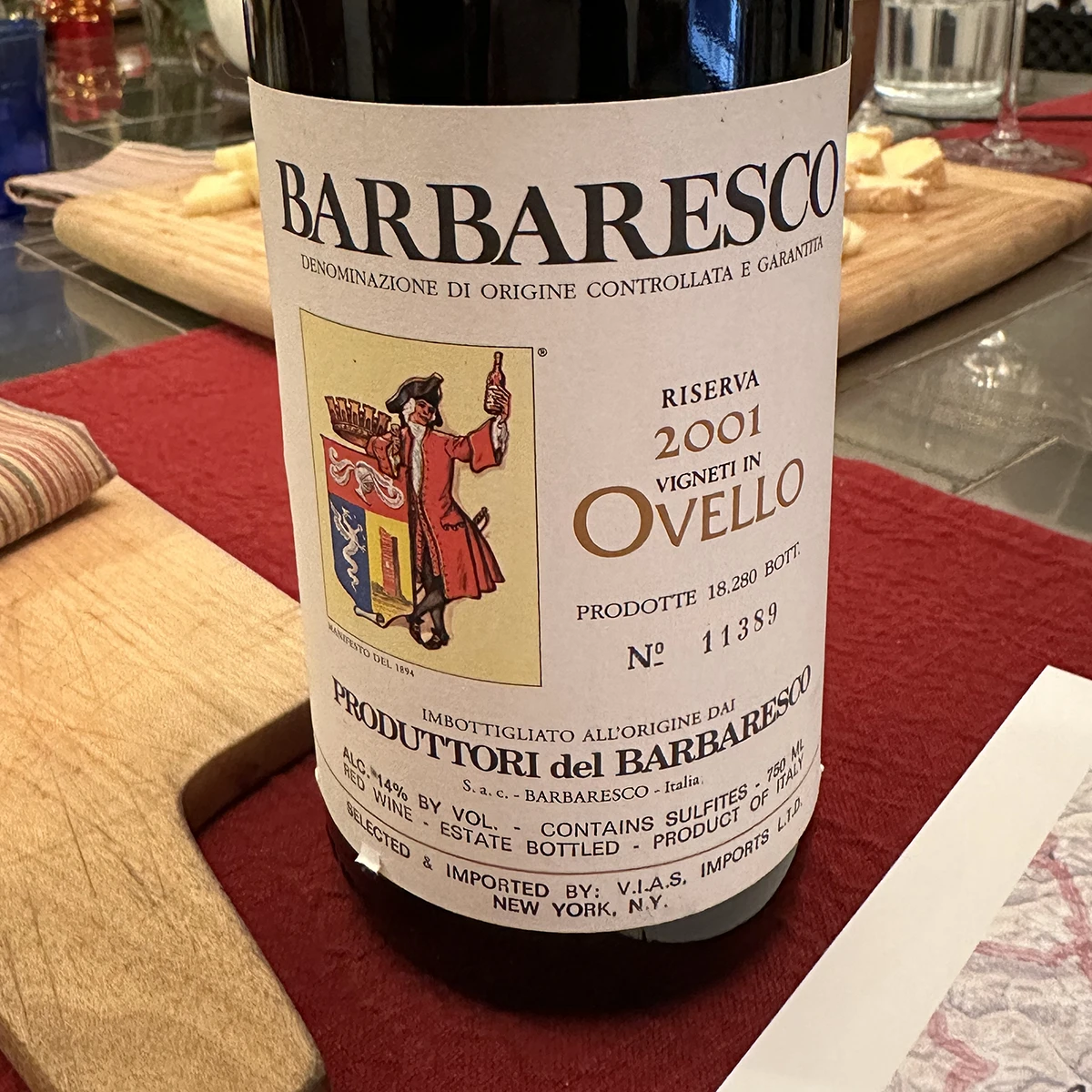
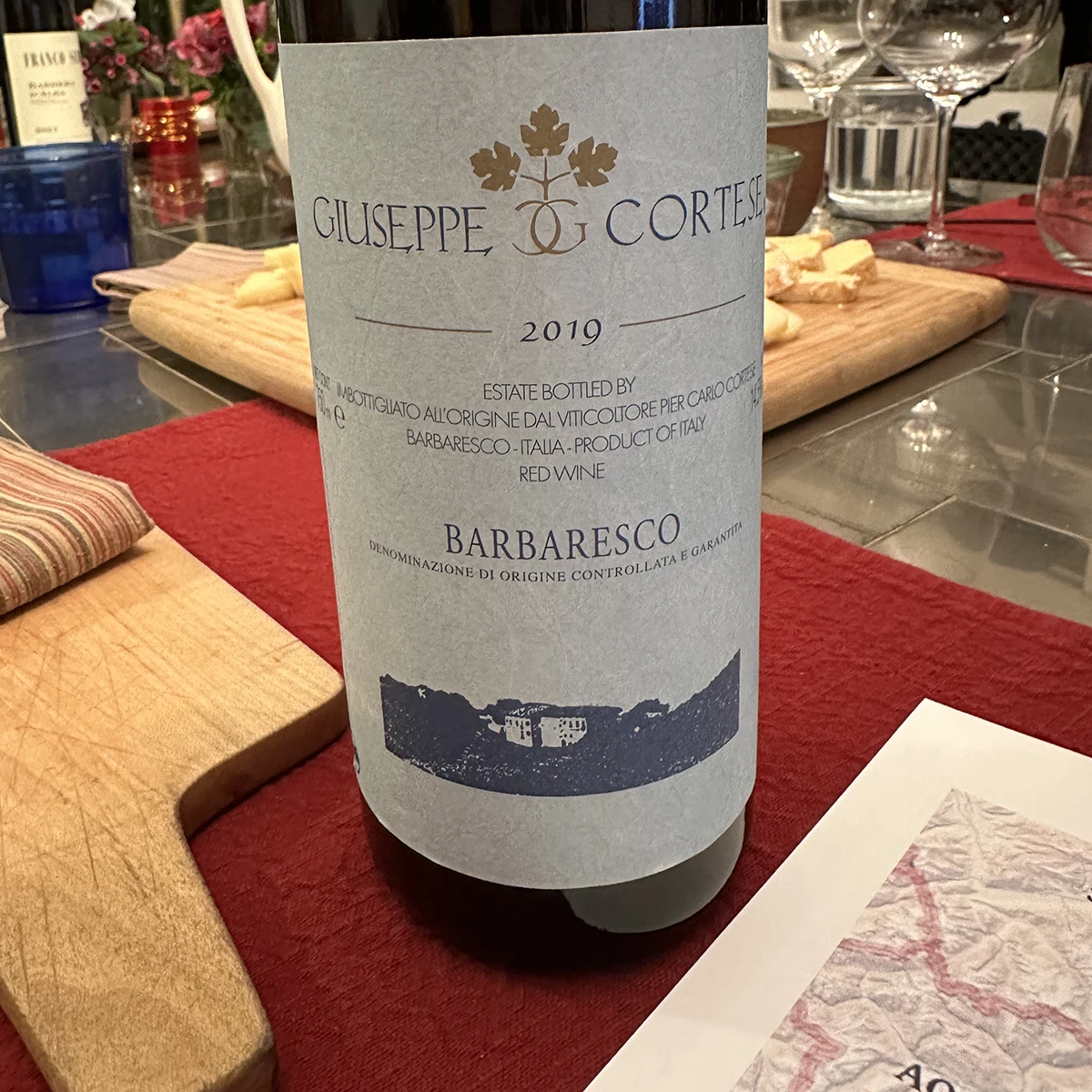
Being produced from the same grape as Barolo and less than 10 miles apart, there are a lot of similarities that Barbaresco has with it neighboring wines but the slight maritime influence of the Tanaro river helps fashion distinctly different wines. Generally less tannic, Barbaresco tend to be more elegant and approachable in their youth. The Barbaresco DOCG regulation stipulates wines with minimum alcohol content of 12.5% and 2 years minimum aging in the winery for standard labels and 4 years minimum for riservas wines. Being an even smaller zone than Barolo, producers in the region produce a little more than 200,000 cases annually. The majority of Barbaresco production takes place in 3 communities:[12] Barbaresco, Treiso and Neive. The soils in the Barbaresco zone are more uniform across the region which tends to produce a more consistent profile with the wines than what can be achieved across the widely different areas of Barolo.[12]