
Rosé
Rosé Wines
Here’s a more detailed look at their characteristics:
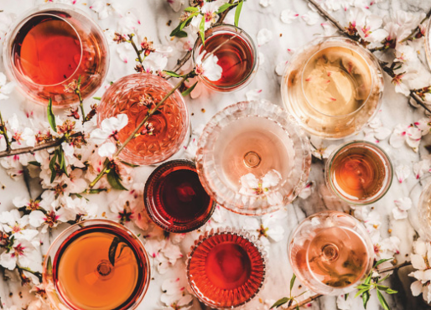
- Appearance: Rosé wines are always transparent, with colors ranging from pale pink to salmon or cherry pink.
- Flavor:
- Fruit: They often have red fruit flavors like strawberry, raspberry, and cherry, along with citrus and melon notes.
- Floral: Delicate floral notes like rose petal, hibiscus, and peony can also be present.
- Other: Herbal and vegetal qualities like celery, rhubarb, and pepper can also be found.
- Body: Rosé wines tend to be lighter in body compared to red wines.
- Sweetness: Rosé wines can be dry, off-dry, or slightly sweet, depending on the grape variety and production methods.
- Acidity: Many rosés have a refreshing acidity.
- Varietal Influence: The specific flavors of a rosé can vary based on the grape variety used, with Grenache-based rosés often having a lighter, crisper style with strawberry and watermelon notes, while Cabernet Sauvignon rosés can have more depth and deeper flavors.
Notes on three of the wines we tasted:
Bila-Haut
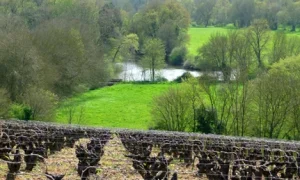
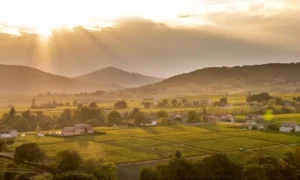
It was in Latour de France that he chose to set up his domain. The vines of Bila-Haut and Occultum Lapidem were the first expressions of this terroir. Then there followed 6 years of reflexion, observation and analysis to produce a precious, rare wine: v.i.t. The story continued near a little village called Lesquerde. Steep, craggy limestone, arid soil, battered by the tramontane wind… A wine wriggled free from the grasp of nature: L’esquerda. Eventually, Single Vineyard Selections r.i. and Chrysopée were able to reveal new nuances of this precious terroir.
Pikasi Barbera Rosé
Winery: Pikasi
Classification: Dry rosé wine
Varietals: 100% Barbera
Appellation: Brje, Vipava Valley, Slovenia
Density & Yield: 4,000 vines/ha; 1.5 kg/vine
Annual Production: 2,400 bottles
Alcohol: 13%
Climate: Mild Mediterranean, with dry and hot summers, and mild winters.
Terrain: Vipava Valley is right on the border of Slovenia, just north of the Italian port city of Trieste. The area is made up of steep hills, where the continental climate of the Alps collides with the more moderate mild Mediterranean climate from the Adriatic. Vineyards are located on steep, karst mountain tops, where the temperature is cooler and the soil contains mineral-rich marl, which makes it incredibly helpful in drainage of rainfall.
Farming: Practicing organic. The vineyards have no irrigation, and spraying is done only with sulfites and copper, if needed.
Vinification: All grapes are hand-picked, de-stemmed, and pressed immediately. Spontaneous fermentation process is temperature controlled and takes place in stainless steel tanks. The wine is then matured on lees in stainless steels tanks for 5 months, then coarsely filtered before bottling, and released to the market 2 months after bottling.
Tasting Notes: This wine offers aromas of strawberry rhubarb pie, which lead to a creamy and slightly salty mouthfeel with a lingering finish.
Perfect refreshment for a warm day, this wine will also pair nicely with young cheeses, charcuterie, salads, baked fish and roasted vegetables.
The Pikasi wines – boutique wines with tradition.
Slovenia is one of the most beautiful countries in the world. It is located in the very center of the European wine-growing belt. This magical corner of Europe is a highly varied geographical area.
Not surprisingly its climate mirrors its varied terrain with a unique blend of mild Mediterranean and continental Alpine temperatures that produce some very special grapes. The small, boutique, family-based vineyards are mainly concentrated on terraces in the higher areas where the excellent soil allows both white and red varieties to be cultivated as well as a number of rarities to tempt any connoisseur.
Also the result of the mixture of the Mediterranean, continental and alpine climates, tradition and knowledge is a unique wine of world reoun, made in old family cellars. The Pikasi wines from three wine-growing regions with 14 wine-growing districts are often ranked among the best in the world with regard to quality. Due to the differences in soil, climate, and cellaring methods, each wine-growing region has its own selection of varieties.
The Pikasi wines – boutique wines with tradition.
Slovenia is one of the most beautiful countries in the world. It is located in the very center of the European wine-growing belt. This magical corner of Europe is a highly varied geographical area.
Not surprisingly its climate mirrors its varied terrain with a unique blend of mild Mediterranean and continental Alpine temperatures that produce some very special grapes. The small, boutique, family-based vineyards are mainly concentrated on terraces in the higher areas where the excellent soil allows both white and red varieties to be cultivated as well as a number of rarities to tempt any connoisseur.
Also the result of the mixture of the Mediterranean, continental and alpine climates, tradition and knowledge is a unique wine of world reoun, made in old family cellars. The Pikasi wines from three wine-growing regions with 14 wine-growing districts are often ranked among the best in the world with regard to quality. Due to the differences in soil, climate, and cellaring methods, each wine-growing region has its own selection of varieties.
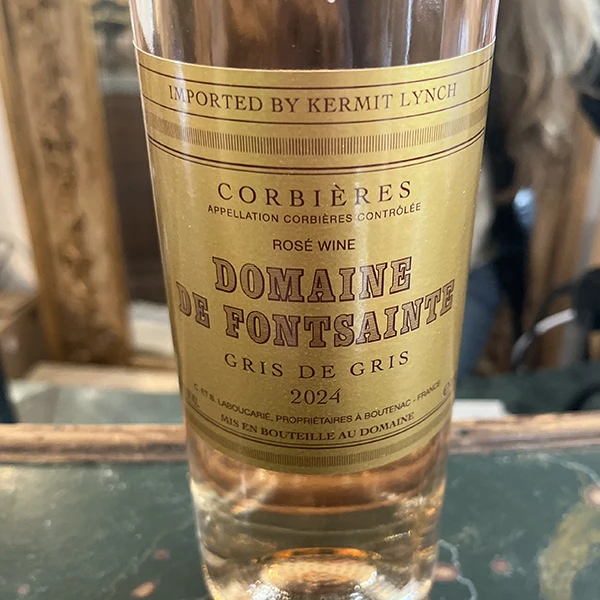
Corbieres Rose / Domaine des Fontsaintes / Kermit Lynch distributor
It’s no coincidence that Gris de Gris has been a KLWM staple for over forty years: a cold glass hits the spot every single time, bursting over the taste buds with bright citrus, wild strawberry, and a juicy finish that makes one’s mouth water in anticipation of the next sip. The delicate pressing of mostly Grenache Gris grapes has proven its merits as the formula for a rosé that is always crisp, slightly salty, and perpetually refreshing.
Wine Type: | Rosé |
Vintage: | 2023 |
Bottle Size: | 750mL |
Blend: | 90% Grenache Gris, 5% Carignan, 5% Mourvèdre |
Appellation: | Corbières |
Country: | France |
Region: | Languedoc-Roussillon |
Producer: | Domaine de Fontsainte |
Winemaker: | Bruno Laboucarié |
Vineyard: | 46.2 ha |
Soil: | Silica, clay, limestone (gravelly with large galets or rounded stones) |
Aging: | 4-6 months in stainless steel tanks |
Farming: | Lutte Raisonnée |
Alcohol: | 12.5% |
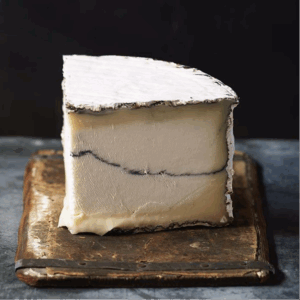
Cheese Pairings

Humboldt Fog

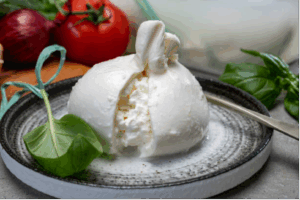
Burrata

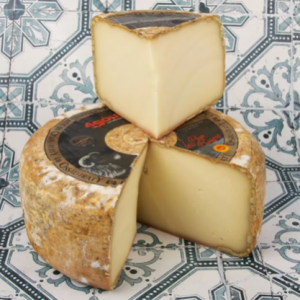
Ossau-Iraty sheep’s milk cheese
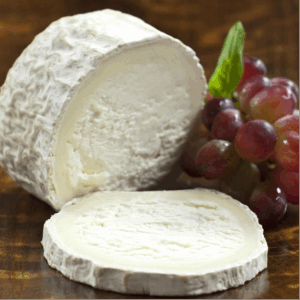
Bucheron
Food Pairings
Grilled shrimp with truffle oil vinaigrette
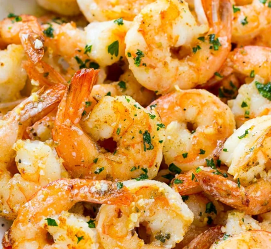
What a simple way to celebrate the beauty of a well-balanced, dry rose. Grill or sear off shrimp that have been lightly coated with olive oil and sprinkled with salt and pepper.
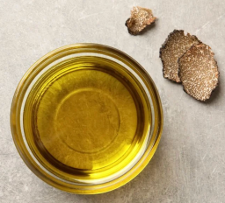
When the shrimp have just turned pink, remove from heat and drizzle with a vinaigrette made of equal parts white truffle oil, olive oil and freshly squeezed lemon juice, to which you add salt and pepper, finely chopped parsley and a bit of finely minced sweet onion. This simple dish with a beautiful green salad and some cheeses – voila. A celebration.