
Geographical Regions
Upper Loire (Massif Central)
Originating near Mont Gerbier de Jonc, the river cuts through granite, gneiss, and volcanic rock, with around 450 extinct volcanoes present in the region.
Middle Loire (Paris Basin)
The river flows over younger sedimentary strata (limestone, chalk, marl) formed 150-200 million years ago, creating a valley known for Tuffeau (soft chalky limestone) and Falun (fossil-rich shell limestone).
Lower Loire (Massif Armoricain)
Near the Atlantic, the landscape changes to older, harder metamorphic rock, including schist and quartz, particularly around the Nantais region.
Key Geological Features
Tuffeau Stone
This soft, white Cretaceous limestone is a key feature in the Loire Valley’s, used for constructing famous châteaux and creating many natural underground caves, often used as wine cellars.
Alluvial Terraces
The valley is defined by significant alluvial formations—deposits of sand and gravel—that create its distinctive, wide, fertile valley floor, according to the Geology and Geography of the Loire.
Terroir Variety
The soil varies from sandy and gravely near the Atlantic to stony clay-limestone and flint in the central and eastern sections, notes The World of Fine Wine.
Tectonic Shifts
The Loire once flowed into the English Channel but was diverted by tectonic movement, now flowing to the Atlantic.
Wine Regions
The complex geology directly influences the different wine styles throughout the valley.
Nantais Geology
Following the course of the Loire from its origin close to Mont Gerbier de Jonc down to the Atlantic Ocean takes us across a variety of terroirs. The river springs from the ancient rocks of the Massif Central, before flowing across the relatively youthful limestones of the Bassin Parisien, eventually reaching the older igneous and metamorphic rocks of the Massif Armoricain. This much I have already covered in my introduction to the geology of the Loire Valley; here, as I home in on the vineyards, grapes and wines of the Nantais, I focus more closely on the geology of this particular region.
I think it is fair to say that the Nantais has the most complex geology of the entire Loire Valley. From Sancerre and Pouilly-Fumé down through Vouvray and Chinon, and across the eastern part of Anjou, any geological discussion will focus on limestone, in various combinations with its eternal partners, flint and clay. Even in the western part of Anjou, where the superficial limestones of the Bassin Parisien thin and eventually disappear, revealing the older rocks of the Massif Armoricain beneath, there is still one dominant rock which is schist, albeit peppered with streaks of spilite, phthanite, quartz and other craggy curiosities.
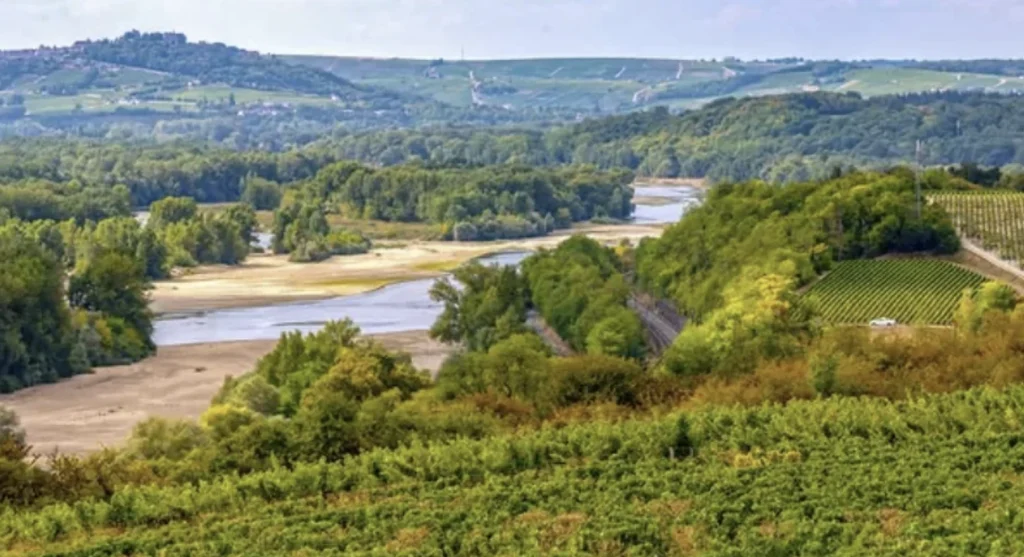
The situation in the Nantais is very different, with an explosion of different rocks, laid down in seemingly random streaks, splodges and swirls. We find some familiar forms here, such as granite (pictured above are the red granite cliffs overlooking the Maine as it flows through Château-Thébaud), as well as the more esoteric, including glorious gabbro, amphibolite and the shimmering jade-like green of serpentinite. (Wine Doctor)
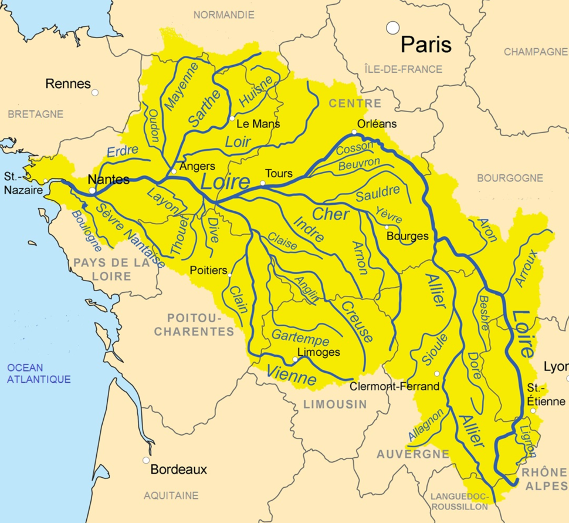
It rises in the southeastern quarter of the French Massif Central in the Cévennes range (in the department of Ardèche) at 1,350 m (4,430 ft) near Mont Gerbier de Jonc; it flows north through Nevers to Orléans, then west through Tours and Nantes until it reaches the Bay of Biscay (Atlantic Ocean) at Saint-Nazaire. Its main tributaries include the rivers Nièvre, Maine and the Erdre on its right bank, and the rivers Allier, Cher, Indre, Vienne, and the Sèvre Nantaise on the left bank.
The Loire gives its name to six departments: Loire, Haute-Loire, Loire-Atlantique, Indre-et-Loire, Maine-et-Loire, and Saône-et-Loire. The lower-central swathe of its valley straddling the Pays de la Loire and Centre-Val de Loire regions was added to the World Heritage Sites list of UNESCO on December 2, 2000. Vineyards and châteaux are found along the banks of the river throughout this section and are a major tourist attraction.
The human history of the Loire river valley is thought by some to begin with the Middle Palaeolithic period of 90–40 kya (thousand years ago), followed by modern humans (about 30 kya), succeeded by the Neolithic period (6,000 to 4,500 BC), all of the recent Stone Age in Europe. Then came the Gauls, the local tribes during the Iron Age period of 1500 to 500 BC. They used the Loire as a key trading route by 600 BC, using pack horses to link its trade, such as the metals of the Armorican Massif, with Phoenicia and Ancient Greece via Lyon on the Rhône. Gallic rule ended in the valley in 56 BC when Julius Caesar conquered the adjacent provinces for Rome. Christianity was introduced into this valley from the 3rd century AD, as missionaries (many later recognized as saints), converted the pagans. In this period, settlers established vineyards and began producing wines.
The Loire Valley has been called the “Garden of France” and is studded with over a thousand châteaux, each with distinct architectural embellishments covering a wide range of variations, from the early medieval to the late Renaissance periods. They were originally created as feudal strongholds, over centuries past, in the strategic divide between southern and northern France; now many are privately owned.
The source of the river lies in the eastern Massif Central, in springs to the south side of Mont Gerbier de Jonc at 44°50′38″N 4°13′12″E. This lies in the north-eastern part of the southern Cévennes highlands, in the Ardèche commune of Sainte-Eulalie of southeastern France. It is originally a mere trickle of water located at 1,408 m (4,619 ft) above sea-level. The presence of an aquifer under Mont Gerbier de Jonc gives rise to multiple sources, three of them located at the foot of Mount have been highlighted as river sources. The three streams converge to form the Loire, which descends the valley south of Mount through the village of Sainte-Eulalie itself.
 The Loire changed its course, due to tectonic deformations, from the original outfall into the English Channel to its new outfall into the Atlantic Ocean thereby forming today’s narrow terrain of gorges, the Loire Valley with alluvium formations and the long stretch of beaches along the Atlantic Ocean. The river can be divided into three main zones:
- the Upper Loire, the area from the source to the confluence with the Allier
- the middle Loire Valley, the area from the Allier to the confluence with the Maine, about 280 km (170 mi)
- the Lower Loire, the area from Maine to the estuary
In the upper basin the river flows through a narrow, incised valley, marked by gorges and forests on the edges and a distinct low population.[3] In the intermediate section, the alluvial plain broadens and the river meanders and forks into multiple channels. River flow is particularly high in the river area near Roanne and Vichy up to the confluence with the Allier.[3] In the middle section of the river in the Loire Valley, numerous dikes built between the 12th and 19th century exist, providing mitigation against flooding. In this section the river is relatively straight, except for the area near Orléans, and numerous sand banks and islands exist.[3] The lower course of the river is characterized by wetlands and fens, which are of major importance to conservation, given that they form unique habitats for migratory birds.
The Loire flows roughly northward through Roanne and Nevers to Orléans and thereafter westward through Tours to Nantes, where it forms an estuary. It flows into the Atlantic Ocean at 47°16′44″N 2°10′19″W between Saint-Nazaire and Saint-Brevin-les-Pins, connected by a bridge over the river near its mouth. Several départements of France were named after the Loire. The Loire flows through the following départements and towns:
Ardèche
Haute-Loire
Le Puy-en-Velay
Loire
Feurs
Roanne
Saône-et-Loire
Digoin
Allier
Nièvre
Decize
Nevers
La Charité-sur-Loire
Cosne-Cours-sur-Loire
Cher
Sancerre
Loiret
Briare
Gien
Orléans
Loir-et-Cher
Blois
Indre-et-Loire
Amboise
Tours
Maine-et-Loire:
Montsoreau
Saumur
Loire-Atlantique
Ancenis
Nantes
Saint-Nazaire
The Loire Valley in the Loire river basin, is a 300 km (190 mi) stretch in the western reach of the river starting with Orléans and terminating at Nantes, 56 km (35 mi) short of the Loire estuary and the Atlantic Ocean. The tidal stretch of the river extends to a length of 60 km (37 mi) and a width of 3 km (1.9 mi), which has oil refineries, the port of Saint-Nazaire and 40,000 hectares (99,000 acres) of wetland whose formation is dated to 7500 BC (caused by inundation by sea waters on the northern bank of the estuary), and the beaches of Le Croisic and La Baule along the coastline.
Wines/Geology of Loire
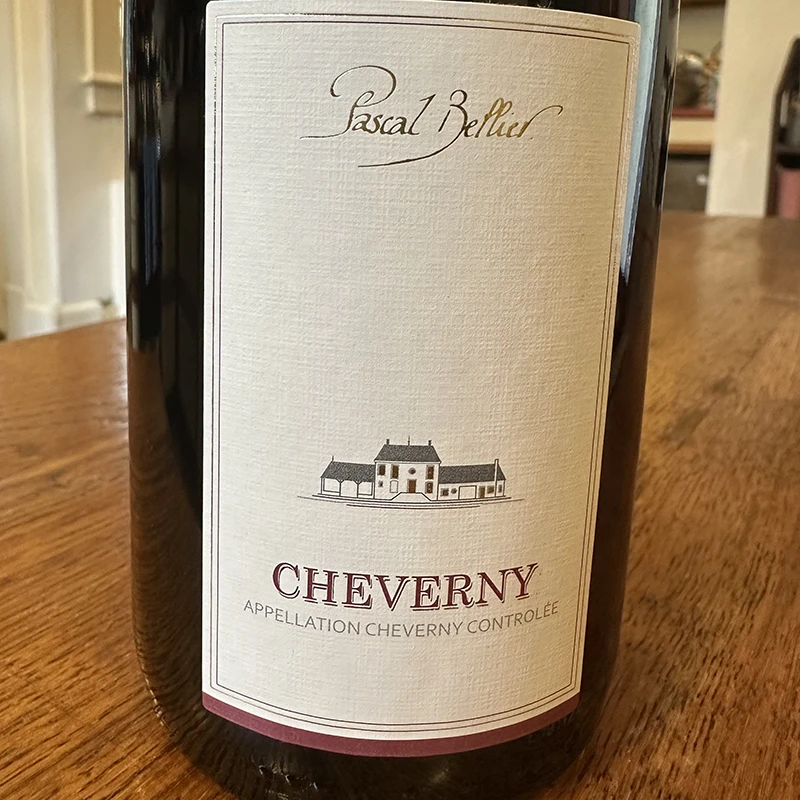
Located in Vineuil in the Loire Valley, close to Blois and right above the Loire River is where, in 1960, the domaine was established. It is here in Cheverny that Pascal grows his Cabernet Franc, Pinot Noir and Gamay on silicieous clay, and the Sauvignon Blanc, Chardonnay and Romorantin on the sandy, pebbly soils. Averaging around 20 years of age, some plots date back 50 years while others are recent additions; his wines show a liveliness and vivacity and reflect the sustainable efforts they undergo to keep the land in harmony. In Cour-Cheverny Pascal produces the coveted Romorantin, which continues to show their longevity when grown with care.
Cheverny Blanc
80% Sauvignon Blanc, 20% Chardonnay
From 10 hectares of 20 year-old vines grown on a hill overlooking the Loire River, with soils of siliceous clay on limestone and chalky-clay. Harvested in mid-September, the grapes are directly pressed and allowed to ferment for 12-15 days in stainless steel, then set to rest for 3-4 months until bottling.
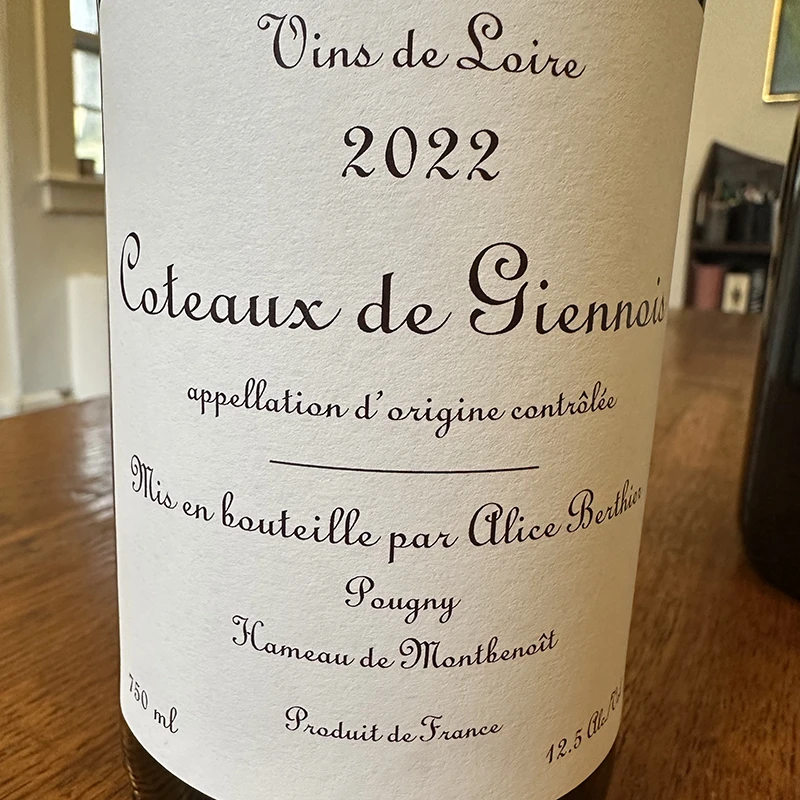
Alice Berthier Coteaux du Giennois
Our Coteaux du Giennois red vines are planted on limestone soils of Pougny and Saint Père, small villages located in the heart of the Centre-Loire area. This deep and typical Pinot- noir “terroir” provides wide complexity to our wine.
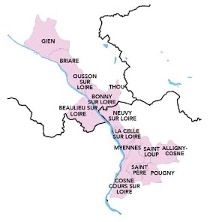
Just north of the famous Loire appellations Sancerre and Pouilly-Fume lies the small and quiet Coteaux du Giennois. Little known outside of France, Coteaux du Giennois just received AOP status in 1998 – yet it has been producing wine since the 2nd century. Vineyards here were given as gifts by the French royal court as early the 800s, and with the establishment of monasteries in the Middle Ages, vineyards and viticulture flourished. Here between Gien and Cosne-sur-Loire, the cold continental influence from the east is tempered by the Loire River.
Alice Berthier and her team worked their hillside vineyards with the utmost respect for the environment, planting grass between rows, encouraging biodiversity, and using natural forms of pest control such as sexual confusion. Yields are carefully controlled and the estate is in organic conversion. Now it is the next generation of Berthiers who make the wine – led by Alice’s nephew, Clement.
Our Coteaux du Giennois red vines are planted on the complex soils of Pougny and Saint Père, small villages in the heart of the Central Vineyards. The terroir is a mix of 50% silex soil from the town of St Père, and 30% limestone and 20% clay from the town of Pougny, along the Loire River. Each plot is vinified separately and brings its own complexity to the final wine. In the cellar, grapes are pressed gently with a pneumatic press and fermented with indigenous yeasts in vats for 10 to 14 days, with twice daily pump-overs for gentle extraction. When the wine completes malolactic fermentation, it is racked and aged for 10 to 12 months before bottling. Size: 750ml
Appellation: Coteaux de Giennois AOP Soil Type: Silex, limestone, and clay Varieties: 85% Pinot Noir, 15% Gamay Age of Vines: 30 years Farming: Organic conversion Alcohol: 12.5% Aging Details: Neutral Oak
The 2022 Alice Berthier Coteaux du Giennois (often labeled via Mary Taylor Wine) is a sustainable, Loire Valley white wine made from 100% Sauvignon Blanc, featuring high-tension notes of citrus, grapefruit, and limestone. Grown on Silex and limestone soils in Pougny, it offers a fresh, mineral-driven profile typical of the region.
Key Details for 2022 Alice Berthier/Mary Taylor Coteaux du Giennois
You can find the 2022 Sauvignon Blanc vintage and detailed tasting notes from Wine Enthusiast.
Alternative Option – Red Wine:
If you were referring to the red, the 2022 Alice Berthier Rouge is a blend of 85% Pinot Noir and 15% Gamay. It is known for a mix of crunchy red/black fruit and rustic earthiness.
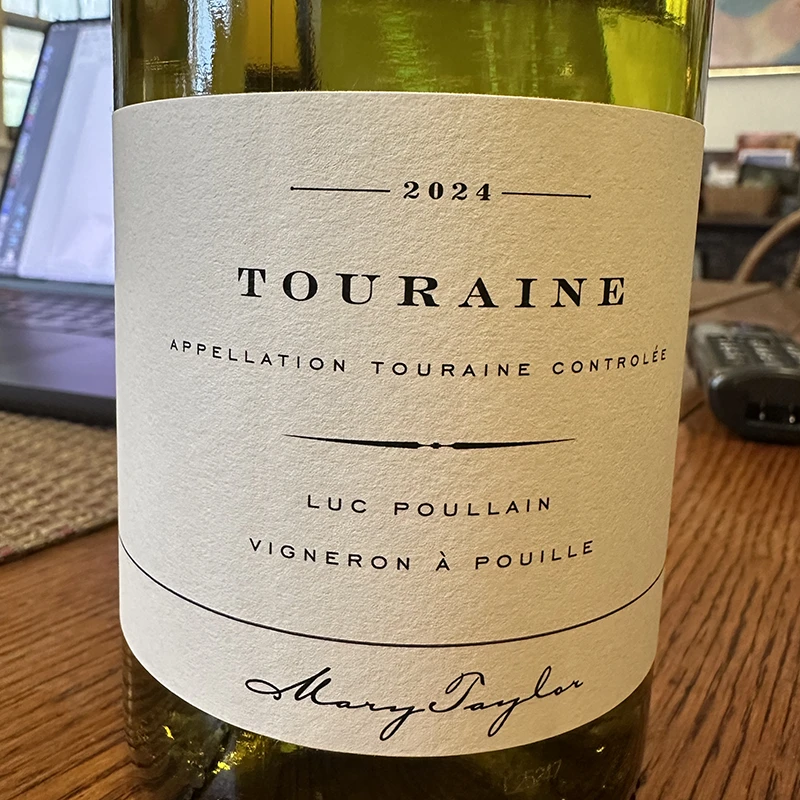
Luc Poullain Touraine Mary Taylor
Vigneron a Pouille
Touraine
The heart of the Loire Valley, home of the great châteaux, and the garden of France. This region’s range of climates and diversity of soils are a treasure trove for the winelover. On the left bank of the Loire’s tributary river Cher, not far from the stunning Château de Chenonceau, lie the vineyards of our vigneron Luc Poullain. Vines up to 70 years old grow on complex soils of sandy siliceous clay and limestone, sustainably farmed with lush grasses growing between the rows. Our Touraine is a sublimely grassy, citrussy expression of its terroir, nuanced and invigorating.
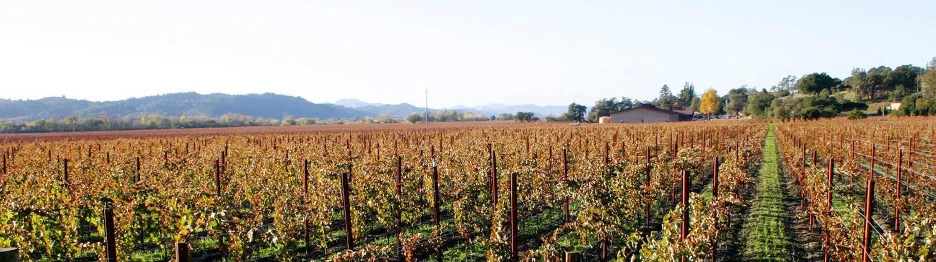
Ah, Touraine – the heart of the Loire Valley, the garden of France! This diverse region spans from a moderate maritime climate tempered by the Atlantic in the west to a cold Continental climate at its easternmost edge. The sheer multiplicity of soils is a treasure trove for the winelover, ranging from clay and sand to gravel and Tuffeau. It is the soft, chalky Tuffeau that is the source of the famous châteaux in this region: it is easy to quarry, making room for great underground wine cellars and providing material to build the breathtaking castles for which Touraine is celebrated. Once the homes of French aristocrats, these châteaux are now summer destinations for well-to-do Parisians and tourists alike.
Although red wines are also made here, it is the white wines from Sauvignon Blanc that have brought Touraine its vinous fame. Jancis Robinson notes that “the best of these can provide a less expensive alternative to Sancerre and Pouilly-Fume,” and our Touraine is truly a sublimely grassy, citrussy expression of its terroir. On the left bank of the Loire’s tributary river Cher, not far from the stunning Château de Chenonceau, lie the vineyards of Luc Poullain. Luc’s 16 hectares are planted half to red grapes and half to white, from which our Touraine comes. Vines up to 70 years old grow on complex soils of sandy siliceous clay and limestone, sustainably farmed with lush grasses growing between the rows. The domaine is HVE-certified and insecticides are never used.
 This wine is fermented in stainless steel to preserve its characteristic freshness and primary fruit, and spends up to a year on its fine lees to develop additional complexity before resting at least one month in bottle before release. A beautiful expression of Touraine which is at home on the table, but nuanced and invigorating to enjoy by itself.
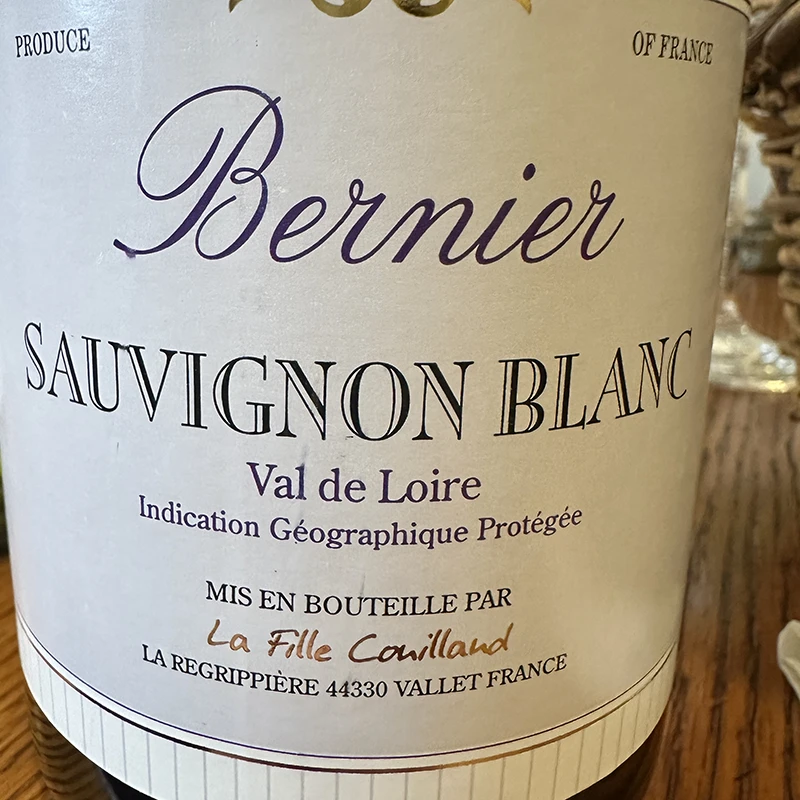
Bernier Sauvignon Blanc
A crisp, sustainably produced Loire Valley white wine from the Couillaud family. Grown near the Atlantic coast, this Val de Loire IGP wine typically features notes of grapefruit, citrus, and white fruit with a balanced, slightly herbal, and steely texture. It is known for being an excellent value, unoaked, and refreshing.
Key Details:
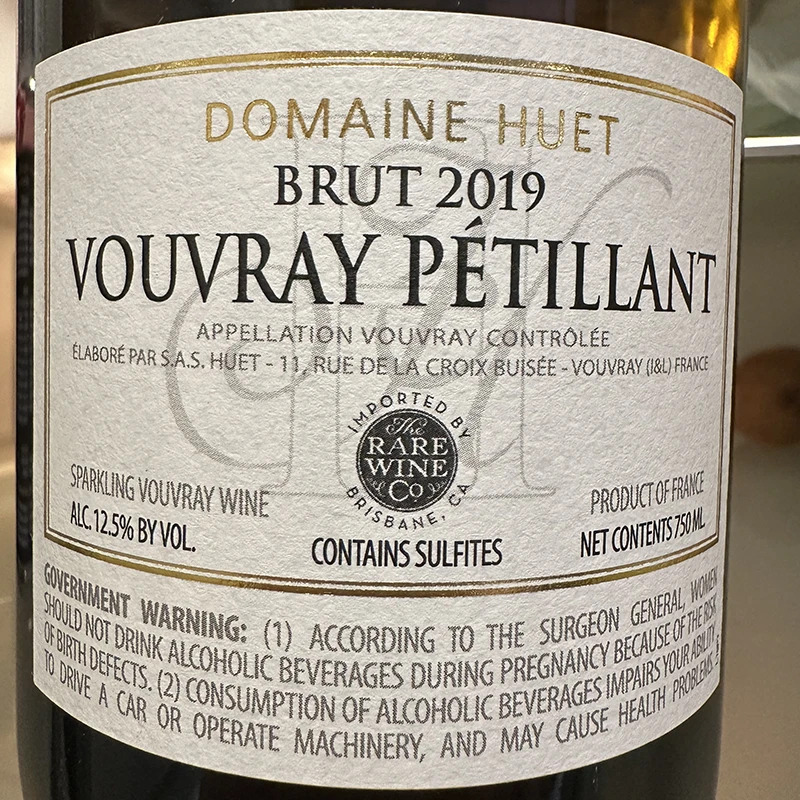
The 2019 Brut Vouvray Pétillant is a finely tuned, subtly sparkling wine with a supple, rounded, airy expression. It’s light on its feet with a fine fresh fruit character and delicate, lees-derived almond flavor. A refined tow of acidity flows through on the finish.
Producer
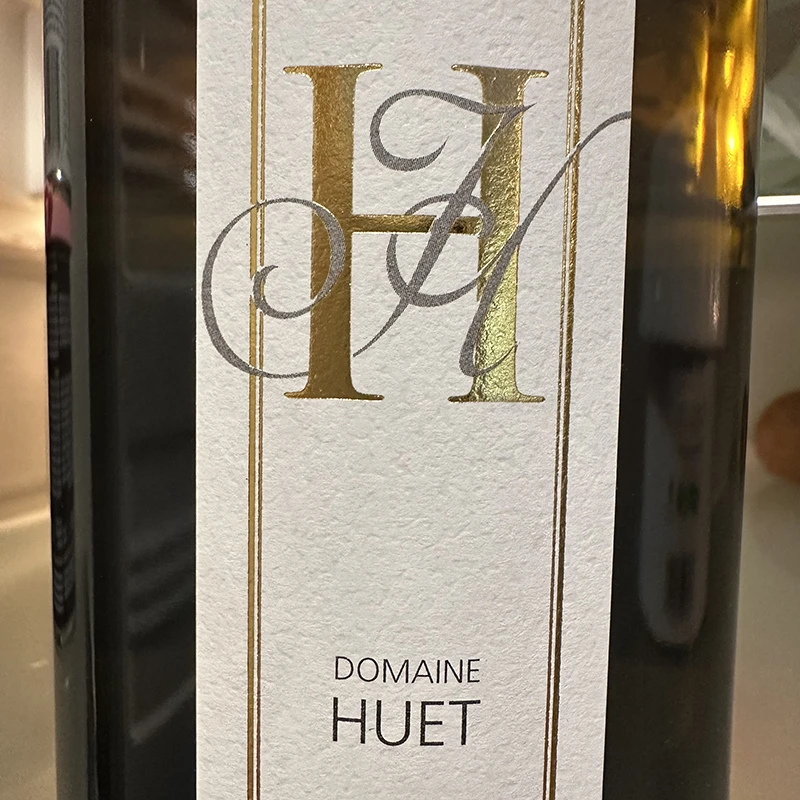
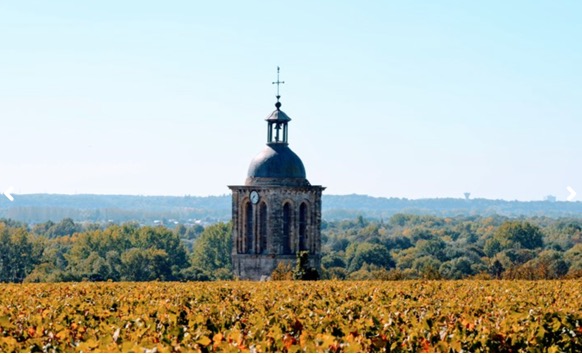 Since its founding in 1928, Vouvray’s Domaine Huet has been the standard-bearer for great, age-worthy Chenin Blanc. And to this day, year after year, the estate produces some of the world’s most compelling white wines—and in a remarkable range that spans sparkling, dry, semi-dry, and breathtaking dessert styles.
Chenin Blanc has been identified with Vouvray since at least the 9th century, and many of its great vineyards were known by the 14th century. By those standards, the 90+-year-old Huet estate is relatively young. Yet it was this youngster that established, once and for all, that Vouvray was capable of world-class quality.
The domaine’s founder, Victor Huët, was a Parisian bistro owner. However, with lungs and nerves shattered by his experiences in WWI, Victor re-settled to the town of Vouvray in France’s beautiful Loire Valley. He soon purchased the first of his great vineyards, Le Haut-Lieu, in 1928, and Domaine Huet was born.
Victor’s son Gaston (born 1910) worked with his father from the beginning and assumed full charge by 1937. With an obsessive devotion to quality, and an engaging showman’s personality, Gaston built the Huet legacy over the next 55 years, despite spending five years in a German POW camp during World War II.
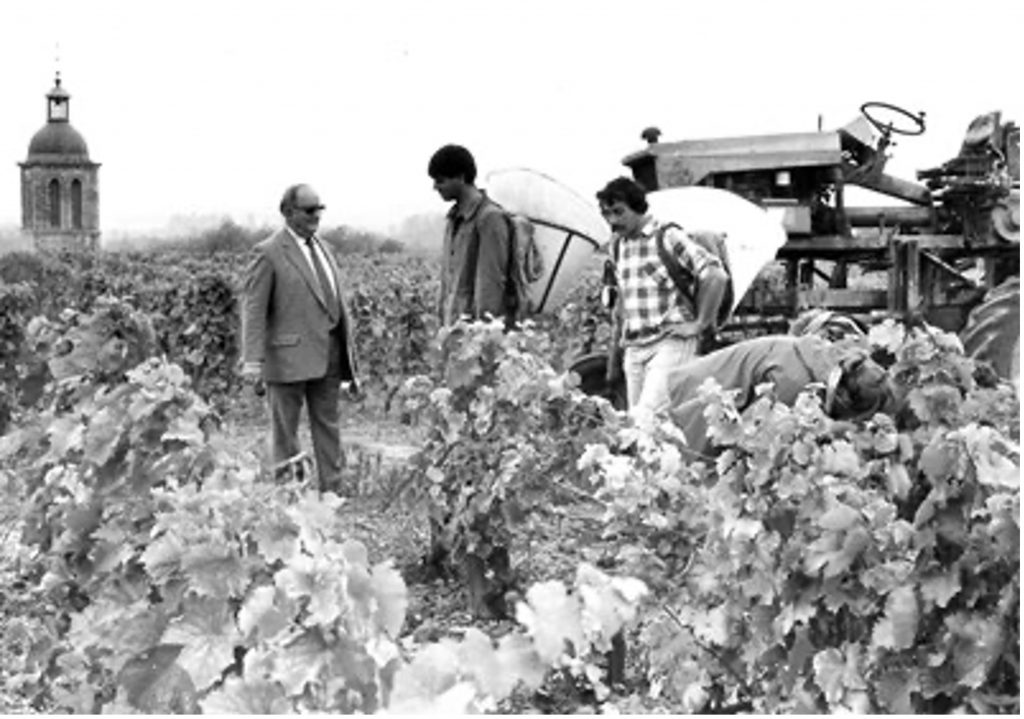
Domaine Huet
The late Gaston Huet proved that Vouvray and the Chenin Blanc grape could produce world-class wines. Today, his domaine continues to make some of the world’s most compelling white wines, and in a remarkable range of styles.
The Wines
As previously mentioned, at their discretion, the estate produces Sec, Demi-Sec, Moelleux, or Moelleux 1ère Trie (“first selection”) from any of the three principal vineyards. A superb sparkling Pétillant is also made, drawing grapes from all three vineyards, as well as from other small parcels on the estate.
Le Haut-Lieu—The original Huet vineyard is nearly 9 hA. It has the richest soils of the domaine’s three crus—a deep limestone-clay—and the wines are generally the estate’s most approachable. In some vintages, small quantities from nearby estate parcels may be added to Le Haut-Lieu.
Le Mont—For many insiders, the argument over Vouvray’s greatest vineyard comes down to two sites: Le Mont and Clos du Bourg. Undisputedly a grand cru vineyard, Le Mont enjoys a choice site on the Première Côte. With less clay and more stone than Le Haut-Lieu, Le Mont yields young wines of intense minerality. With age, the wines develop great length and finesse.
Clos du Bourg—Gaston Huet believed this to be the greatest of all Vouvray vineyards. With the Première Côte’s shallowest, stoniest soils, its wines often synthesize Le Mont’s intense minerality with Le Haut-Lieu’s generous texture.
Cuvée Constance—Since 1989, the estate has also produced this magical, botrytized dessert wine selected from one, two or all three vineyards. When made, the Cuvée Constance (named for Gaston’s mother) ranks among the world’s greatest dessert wines.
Coteaux du Giennois
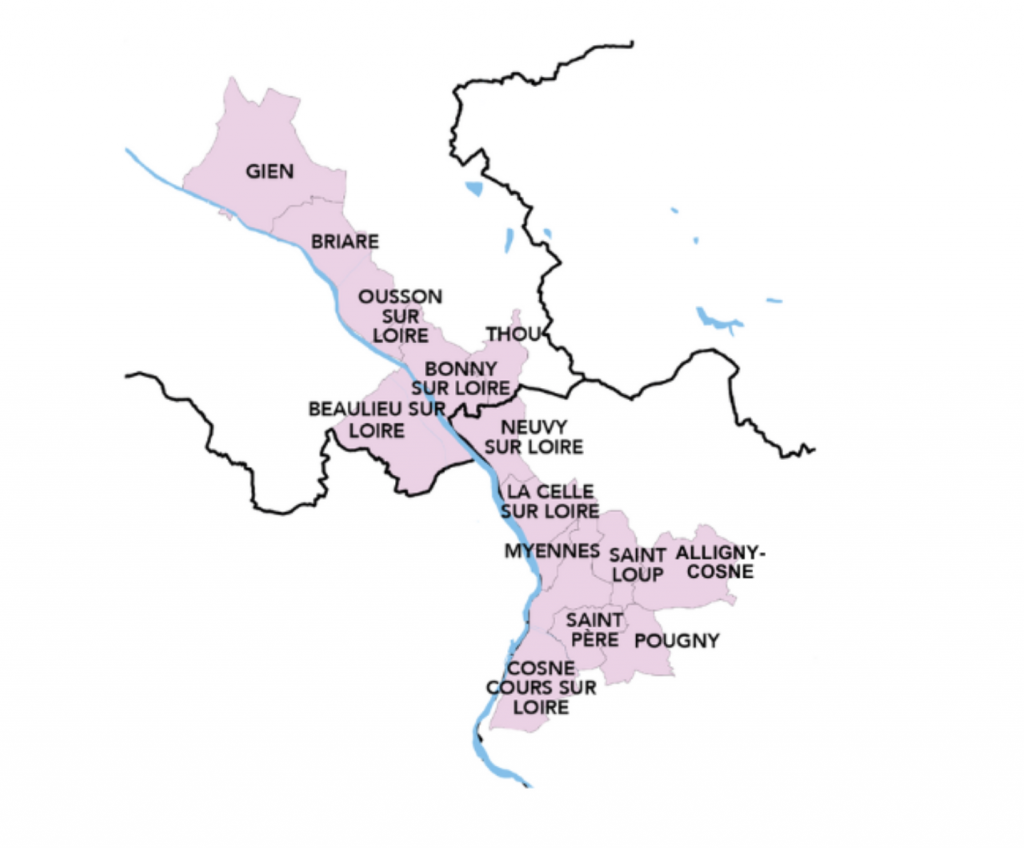 Coteaux du Giennois is an AOC wine region in France’s Loire Valley, located between Orléans and Sancerre. Covering roughly 205 hectares, it produces crisp Sauvignon Blanc (60% of output) and light, earthy red/rosé wines from Pinot Noir and Gamay. The terroir, often compared to Sancerre, features limestone and silex soils.
Appellation Details:
- Location: 14 parishes (e.g., Gien, Cosne-sur-Loire, Pougny) along the Loire River in the Nièvre and Loiret departments.
- AOC Status: Officially granted in 1998.
- Grape Varieties: White wines are 100% Sauvignon Blanc. Red and rosé wines are a blend of Pinot Noir and Gamay.
- Terroir: A mix of siliceous clay (silex), flint, and limestone, which contributes to the mineral notes in the wines.
- Flavor Profile: Whites are crisp, fruity (peach, quince), and mineral-driven. Reds are light-bodied, fruity, and often have a peppery note.
- Food Pairings: The white wines pair well with fish, seafood, and Japanese dishes. The red wines pair well with roasted white meats and lighter meals.
The vineyards have a long history dating back to the 2nd century. The area serves as a good-value alternative to the neighboring Sancerre and Pouilly-Fumé, often offering similar quality with a unique, slightly more rustic character
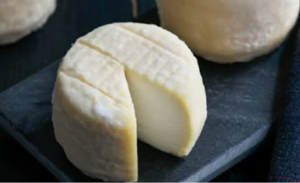
Crotin de Chavignol
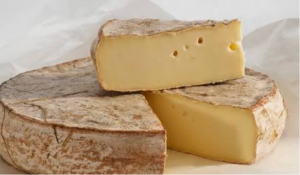
Saint-Nectaire
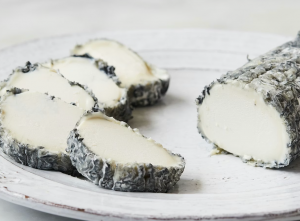
Saint Maure
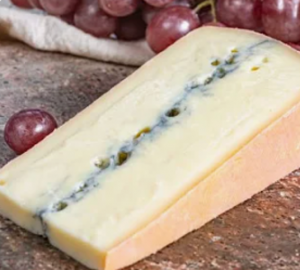
Morbier
Food Pairings
Pork Grilled DuckBreast and Grilled Fresh Oranges
(Specifically for the beautiful Coteaux du Giennois Red)
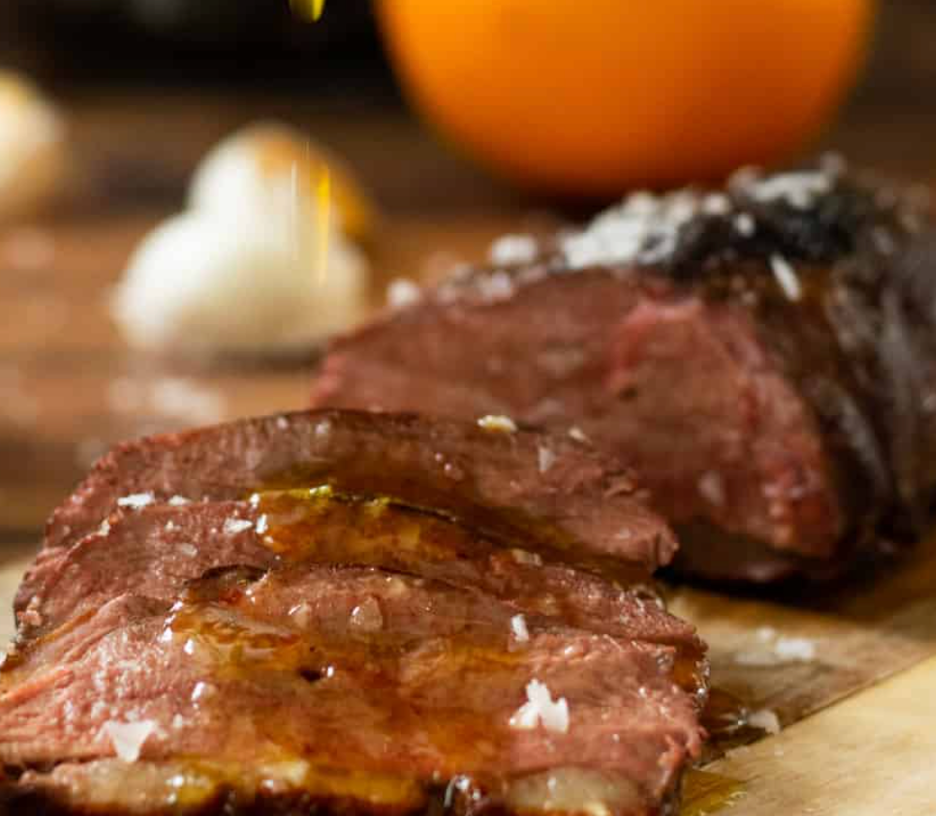
Score the fat of the duck breast into small diamond pattern, and rub the entire breast with salt and pepper, some olive oil, mashed garlic, and a squeeze of fresh orange juice. Set aside to allow the flavors to meld.
Your knife cuts should be only as deep as the fat cap; try not to cut into the meat of the breast.
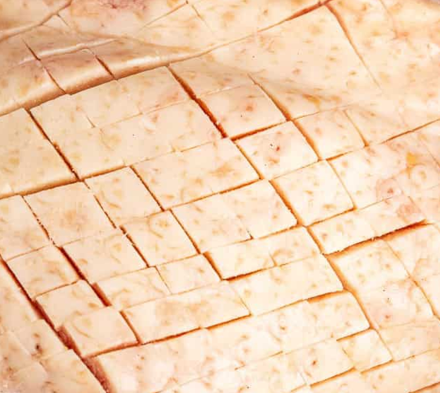
When you have a good bed of hot coals in your wood fired grill, set a cold cast iron skillet on the grill and put the duck breast in the skillet skin side down – do not preheat the skillet. The slow heat coming through the cast iron will gradually render out the duck fat. This is what you want.
Cook in the skillet until the fat is well rendered and the skin is crispy and browning nicely – about 6-8 minutes or so.
Flip the duck breast and put directly on the grill; pull the skillet aside to cool. The duck should cook 3-6 minutes on the grill, or until the internal temperature reads 135 degrees.
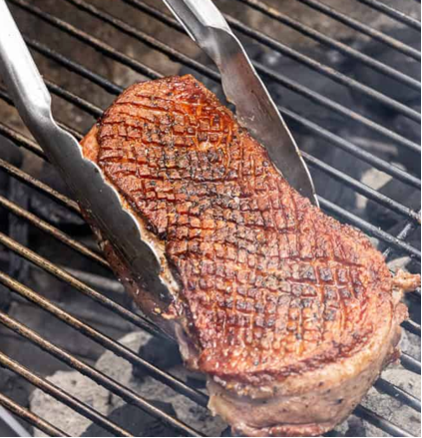
If the duck breasts are super thick, put them on end on the grill, and lean them against each other, to sear off the sides of the breasts for a few minutes.
Add whatever oiled vegetables you may wish to grill alongside the duck — thickly sliced onions, yellow squash, sweet peppers. Be sure to add several oranges, sliced in half, to sear directly on the grill.
When the internal temperature is 135, pull the duck off the grill and set aside, tented with foil, to allow the juices to meld. Continue grilling the oranges and vegetables until beginning to char.
You can add precooked potato fries to the duck fat and brown them through in the hot fat on the grill. Serve hot with the rested duck and seared oranges.